
Spalling brickwork: what causes it and can it be repaired?

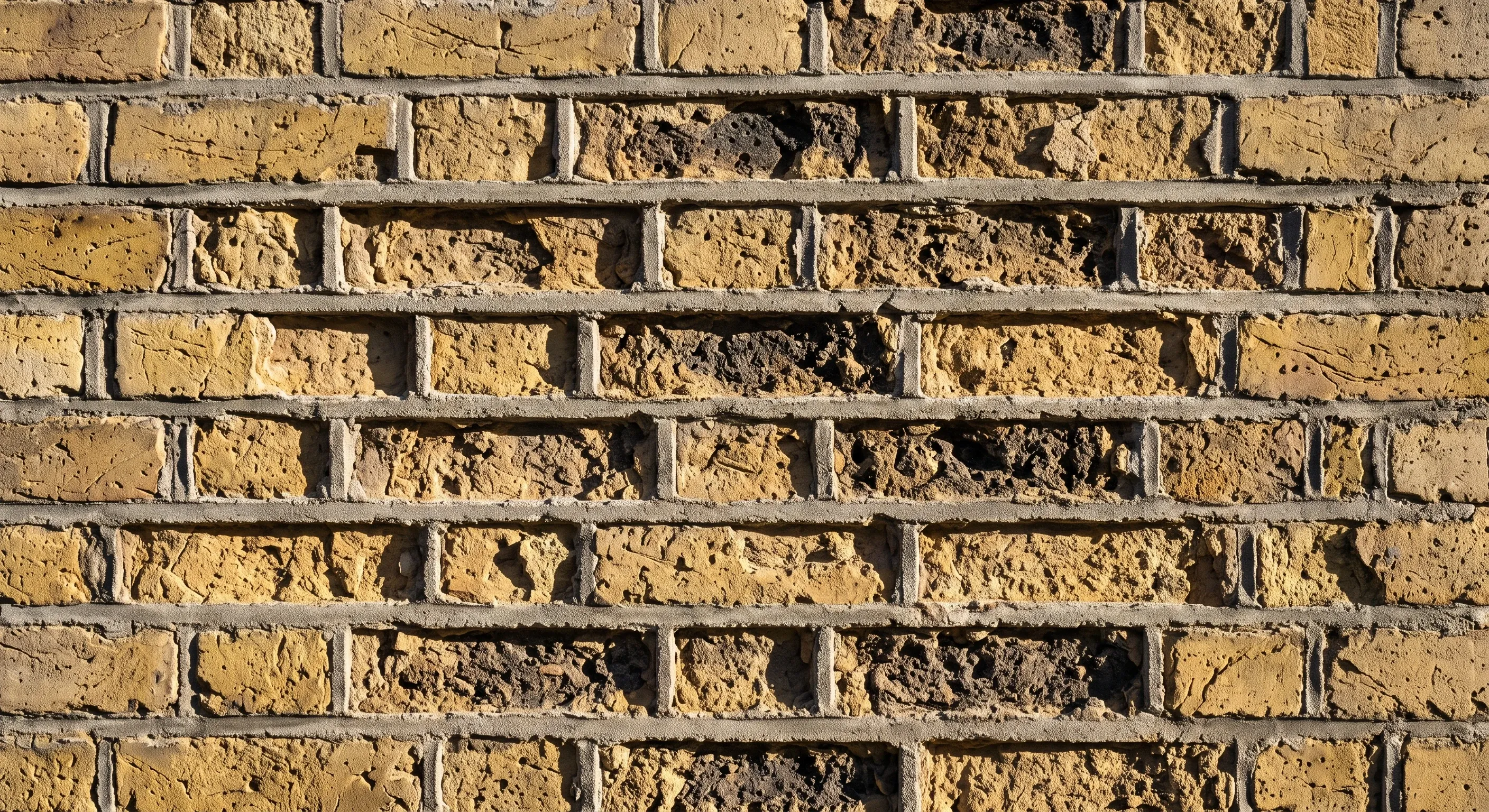
Spalling is the face of a brick breaking away, and on a London period house the usual cause is hard cement pointing. Moisture cannot escape through the joint, so it leaves through the softer brick instead, and frost takes the face off. A spalled face cannot be pointed back. The brick is replaced or the damage is accepted and stopped.
That is the part the cost guides leave out. They will tell you spalling is caused by water and frost, which is true and useless, because it does not tell you why this wall and not the one next door. The answer is nearly always something a previous owner paid a builder to do.
What does spalling brickwork actually look like?
The centre of the brick goes first. Edges are held by the mortar, so the middle blows out and spreads outwards into a shallow concave hollow, exposing a rough pitted interior that looks nothing like the fired face. Run a thumb over it and powder or small flakes come away.
The tell that identifies the cause is the mortar. Where cement has been used on soft brick, the joints stand proud of the receded brick faces in a grey grid, hard and intact while everything around them crumbles. Look also for efflorescence, the white powdery bloom left when salts are carried to the surface and the water evaporates. Efflorescence is not itself damage and it is not proof that spalling will follow, but it does say a lot of moisture is moving through that wall. On a terrace, all of this tends to arrive alongside the defects a Victorian terrace tends to hide, because the houses were built the same way and mistreated the same way.
What causes spalling, and why is the pointing usually to blame?
Start with how the wall was designed to work. Pre-1920 London brickwork is soft handmade or early machine-made stock, laid in lime mortar, and the lime is deliberately the weakest thing in the wall. It is more permeable than the brick, so rainwater that soaks in during the winter evaporates back out mostly through the joints. Frost and salt action concentrate in the mortar rather than the brick. SPAB describes the mortar as sacrificial, which is exactly right: it is meant to erode, and repointing a joint is cheap compared with replacing a brick.
Now put cement in it. Cement mortar is harder than the brick and close to impermeable. The evaporation route through the joint is plugged, so the moisture leaves through the only permeable material left, which is the brick face. Historic England states the consequence directly: if the joints cannot release moisture, as happens with hard cement mortar, all moisture movement is concentrated in the bricks or stones, increasing the chance of frost damage or damage from the crystallisation of soluble salts. Then the mechanism finishes the job. A saturated brick has no air voids left to take up the expansion when the water freezes, so the pressure works on the internal structure, and after enough winters the face lets go. This is a slow failure measured in seasons, not one cold night.
Cement is the common cause but not the only one. Four others worth checking before you blame the mortar:
- A blocked gutter or failed downpipe soaking one strip of wall repeatedly. Localised spalling in a vertical band is this until proven otherwise.
- Road salt, which is why deterioration often clusters in the lowest courses beside a pavement.
- Non-breathable masonry paint or cement render, which does to the whole elevation what cement pointing does to the joint.
- Exposure. A single-skin garden wall is wet on both faces and spalls far faster than the same brick in a house wall.
Can a spalled brick be repaired?
No, and anyone telling you otherwise is selling something. Once the fired outer face has gone, the material that made the brick weatherproof no longer exists. You cannot point it back, and filler does not work.
Mortar repair and coloured render over the face are the two quick fixes offered most often. Both fail the same way. The patch is less permeable than the exposed brick core behind it, moisture collects at the interface, and the repair blows off taking a bit more brick with it. Collier Stevens, the chartered building surveyors, put it bluntly in their advice on spalling: repairing a damaged brick with a skim of render is seldom satisfactory, because moisture eventually gets behind the render and forces it away. Imperial Bricks reaches the same conclusion from the manufacturing side, that most spalled bricks cannot be repaired and will need replacing.
So the honest framing is not "how do I repair this brick". It is "which of four options am I choosing".
The four real options
Option | What it involves | When it makes sense |
|---|---|---|
Cut out and replace | Chop out the spalled brick, clean the pocket, bed a matching brick in lime mortar. Also called piecing in | Scattered individual bricks, prominent elevations, anywhere the wall is visible |
Turn the brick | Remove the brick whole, reverse it, bed the sound rear face outwards | Where the brick comes out intact and the back face is undamaged and similar |
Brick slip | Cut the ruined face back to a controlled depth and bond a thin brick facing in its place | One or two bricks, or where cutting out would loosen surrounding work |
Accept and repoint in lime | Leave the spalled faces, remove the cement, repoint correctly so the mechanism stops | Large areas of shallow spalling, rear elevations, garden walls, tight budgets |
Two of those deserve a caveat rather than a bullet point.
Turning bricks is a genuine bricklayer's technique and it is free of material cost, but it works less often than people hope. The brick has to survive removal in one piece, which soft stock rarely does once it has been saturated for decades. Frogged bricks have a hollow on one bed face rather than two usable faces. And the reverse side has never weathered, so a turned brick can sit in a hundred-year-old elevation looking conspicuously new. On a front elevation that is usually a worse outcome than a well-matched replacement.
Accepting the damage is a legitimate choice and it is the one nobody quotes for. A shallow spalled face on a rear elevation is not dangerous and it is not urgent. If you remove the cause, the wall stops getting worse, and the exposed faces weather down and blend within a few years. Spend the money on the elevation people see.
Why the pointing gets fixed first
Replacing bricks without fixing the mortar is money set on fire. Imperial Bricks illustrates this with a photograph of exactly that outcome: a single mismatched brick replaced in an old wall, with everything around it still flaking, because the underlying moisture problem was never resolved. The new brick sits in the same impermeable joint and takes the same punishment.
So the order is the diagnosis, then the mortar, then the bricks. Establish where the water is coming from and deal with it, whether that is a gutter, a bridged damp-proof course or the joints themselves. Then get the pointing right, which on pre-1920 London stock means repointing a period house in lime rather than more cement, in a mix softer and more permeable than the brick. Only then does brick replacement make sense, bedded in the same lime mortar so the new unit behaves like its neighbours.
One warning about removing old cement. Historic England says hard cement mortar should only be taken out if it can be done without causing even more damage to the adjoining masonry, and SPAB is firmer still: attempt removal only if a trial shows it can be achieved without further harm, and otherwise wait until the mortar works loose on its own. Sometimes leaving a bad repoint alone really is the right call, and a good builder will tell you so.
What a brick replacement specification should say
Four things, and the absence of any of them is a reason to ask.
How the brick comes out. Hand tools. An angle grinder is fast and it wrecks the arrises of the bricks either side, which is how a four-brick repair turns into a twelve-brick repair.
What goes back in. A genuine match on size, colour, texture and method. Imperial bricks are not metric, and a modern metric brick in a Victorian wall throws the bed joints out. Reclaimed London stock is the usual answer here, with the caveat that reclaimed bricks have already spent a century weathering and will spall sooner than new ones.
Frost resistance. For new facing brick in exposed positions, an F2 durability designation. Any manufacturer will state it on the technical data sheet.
Bedding mortar. The same lime mix as the surrounding repointing, not a cement dab because the bricklayer had a bag open.
If the house is listed, brick replacement is an alteration affecting special interest and needs consent in its own right, exactly as the mortar does. Our guide to getting brickwork repairs approved in a conservation area covers where the line falls and what conditions to expect.
Does spalling cause damp, and is it structural?
Not immediately, on either count. Early spalling is a surface problem, and a few blown faces on a garden wall are not a structural concern. Collier Stevens is clear that spalling bricks are not in themselves dangerous.
Left alone with the cause still running, it becomes both. As more of the brick face disappears, the wall's ability to shed water falls and internal damp becomes more likely, and severe spalling eventually reaches the point where the wall section is genuinely compromised. The trap is treating the internal symptom instead. Plenty of houses get an injected damp-proof course and replastering when the actual defect is a cement-pointed elevation letting water through, and the cost of treating damp is not a small number to spend on the wrong problem. Find the moisture source before you buy a cure.
Common questions
Can spalled bricks be pointed back or filled?
No. The fired face is gone and cannot be recreated. Filler and coloured render trap moisture behind them and fail, usually taking more brick with them.
Does spalling always mean cement pointing?
No, but on a pre-1920 house it is the first thing to check. Leaking rainwater goods, road salt at low level, non-breathable paint and severe exposure all produce the same symptom.
Is it cheaper to replace bricks or repoint?
Repointing, by a wide margin per square metre. That is precisely why lime mortar is designed to be the sacrificial part of the wall.
Should I seal the brickwork to stop it?
Be very careful. A sealant that is not fully vapour permeable traps moisture inside the wall and makes spalling worse rather than better.
Will spalling come back after the bricks are replaced?
Yes, if the cause is still there. Fix the mortar and the water source first, then the bricks.
Where this information comes from
Moisture movement concentrating in bricks when joints are impermeable, and the caution against removing hard cement mortar: Historic England, Repointing Brick and Stone Walls: Guidelines for Best Practice (HEAG144, January 2017)
Lime mortar as the sacrificial, preferentially eroding element, and the advice to attempt cement removal only after a trial: Society for the Protection of Ancient Buildings, Repointing
Brick slips, the failure of render and skim repairs, and spalling not being dangerous in itself: Collier Stevens Chartered Building Surveyors, What is brickwork spalling and is it a serious issue?, updated 13/02/2026
Saturation and freeze-thaw mechanism, spalling spreading from the centre of the brick, replacement rather than repair, and F2 frost resistance for facing bricks: Imperial Bricks, Brick Spalling and Blown Bricks, updated 31/07/2026
Frost resistance durability designations for clay masonry units: BS EN 771-1
Natural hydraulic lime grades: BS EN 459-1
Find out what your project will cost
Half the quotes for crumbling brickwork price the bricks and ignore the mortar that caused it. Tell us about the property and we will get you up to three comparable quotes from vetted London builders, all working from the same written scope.
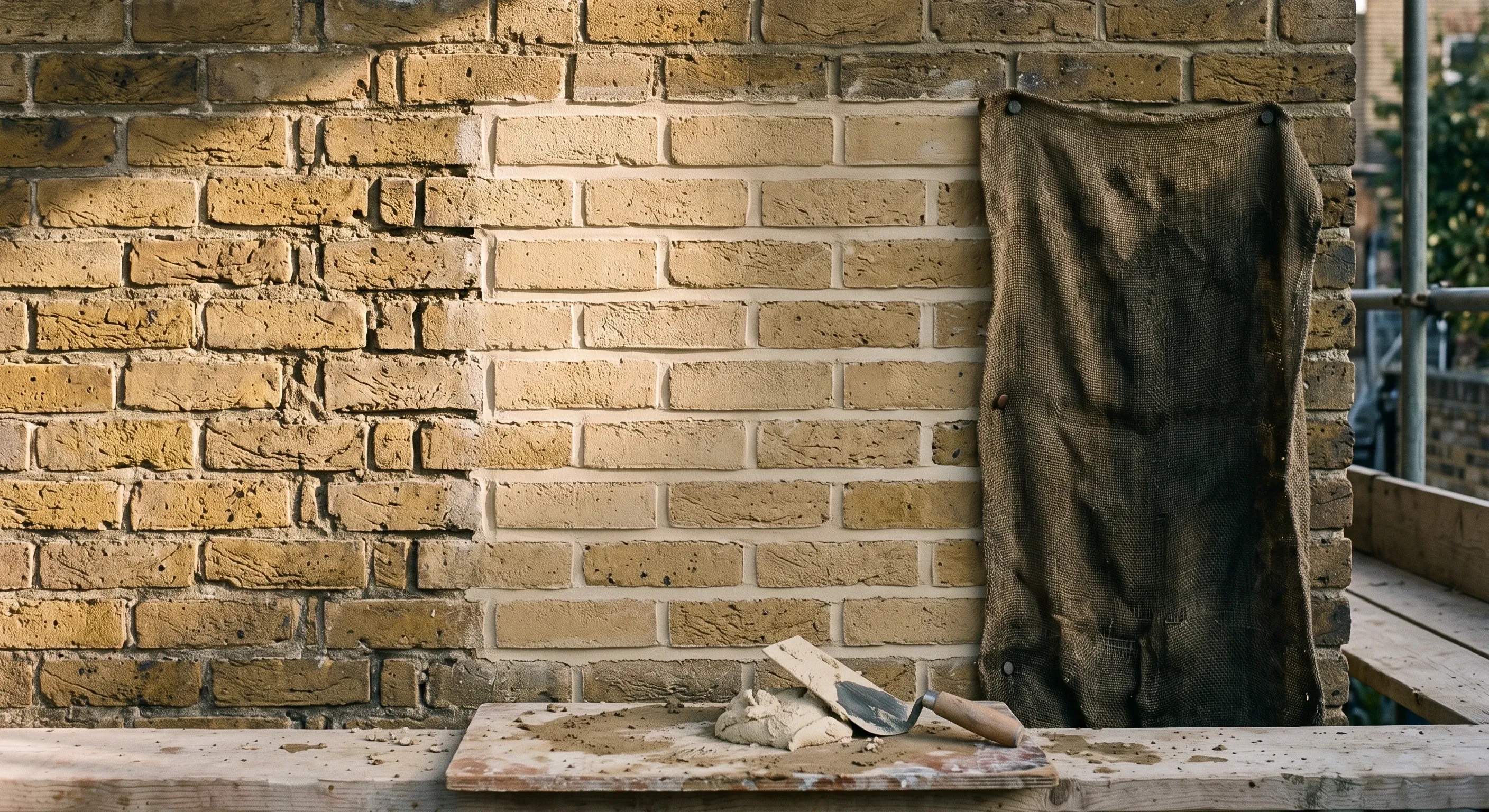
Repointing an unlisted house in a conservation area rarely needs permission. A listed building does, and unauthorised work is a criminal offence.

Slate lasts 80 to 150 years, concrete tile 50 to 60, felt 10 to 20. How to inspect a roof properly and tell structural movement from a worn covering.
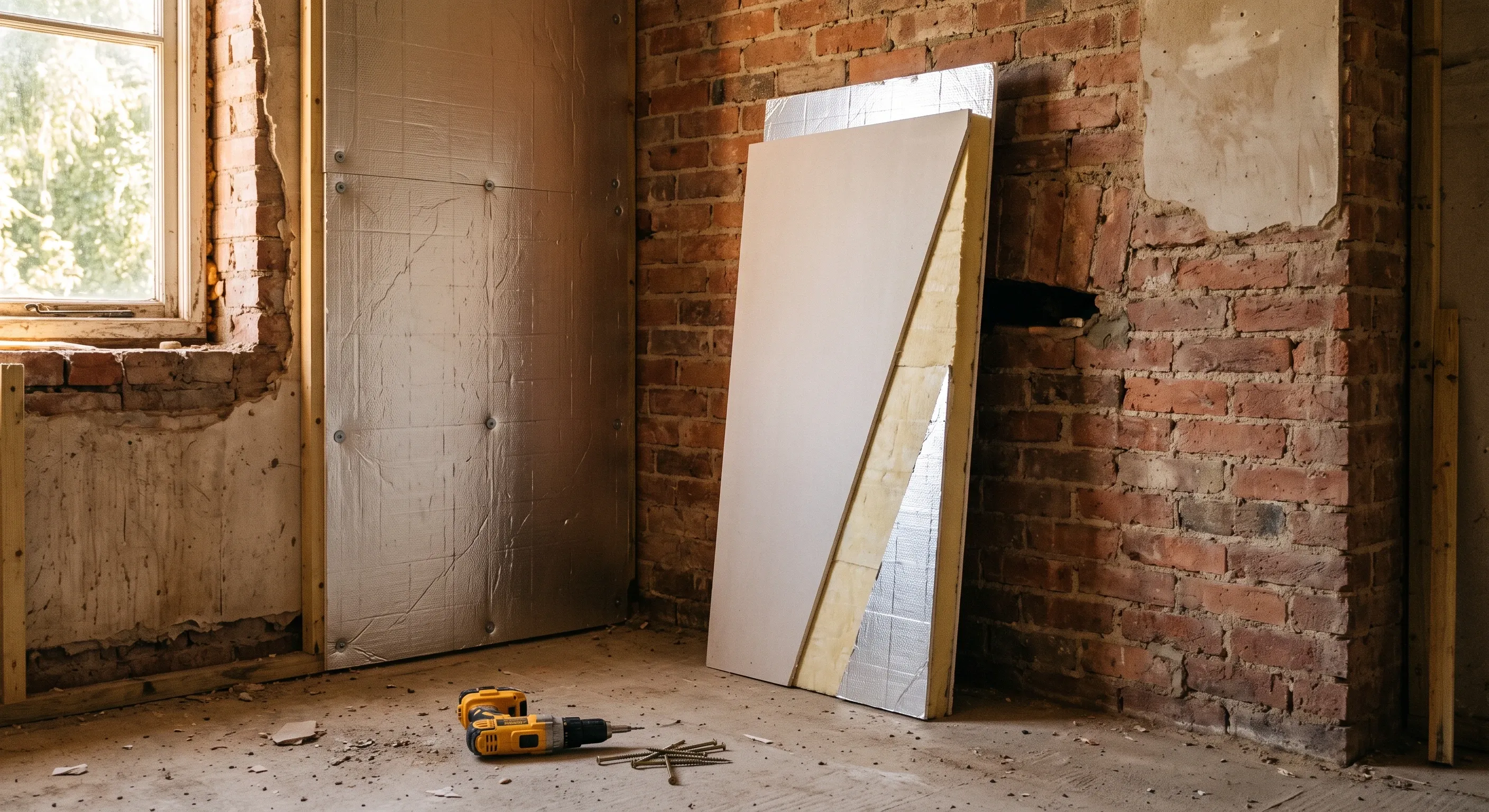
Internal wall insulation on solid brick: the Part L trigger, the 0.30 W/m2K target, why the dew point matters, room depth lost, and where it goes wrong.