
Repointing a house in a conservation area: what you need to get approved

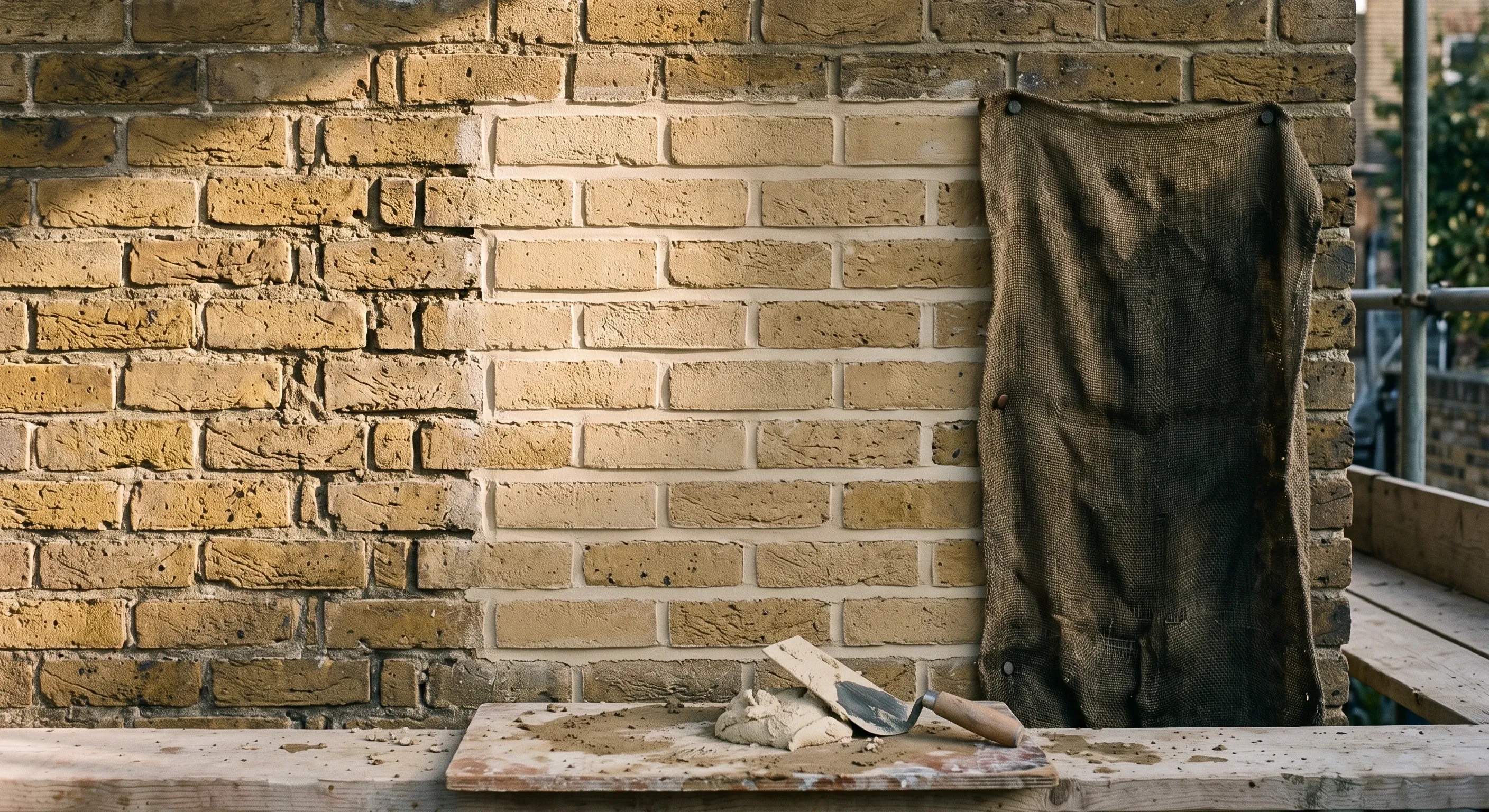
Repointing an unlisted house in a conservation area usually needs no permission, because like-for-like repair is not development. Repointing a listed building almost always needs listed building consent. There is no fee, and carrying out the work without it is a criminal offence under section 9 of the Planning (Listed Buildings and Conservation Areas) Act 1990.
The word doing the work in that first sentence is "usually". An Article 4 direction can take the answer away from you, and in parts of inner London it already has. Islington Council has removed permitted development rights in 40 of its 42 conservation areas. So the question is never "am I in a conservation area". It is "what does the direction covering my street actually say".
Does repointing in a conservation area need planning permission?
For an unlisted house, almost never. Section 55(2)(a) of the Town and Country Planning Act 1990 says works of maintenance, improvement or alteration that do not materially affect the external appearance of a building are not development at all. Raking out failed mortar and replacing it with a mortar of the same colour, texture and profile does not materially affect anything. No development, no application.
That exemption is also how the trouble starts. "Materially affect the external appearance" has no statutory definition and is judged case by case. Repoint a soft yellow stock terrace in grey cement with a proud weather-struck profile and you have changed the appearance of the elevation, visibly, from the pavement. Historic England puts the same point plainly in its guidance: work to buildings in conservation areas could require consent depending on the degree of planning controls in place. Like-for-like is the thing that keeps you outside the system.
How does an Article 4 direction change this?
An Article 4 direction is a local order that removes specified permitted development rights across a defined area, and it is a separate mechanism from conservation area designation itself. Where one applies, work that would otherwise have been permitted needs a planning application, and the council can refuse it.
Islington's own planning pages are the clearest published example in London. The council states it has removed permitted development rights in 40 of Islington's 42 conservation areas, and gives painting brickwork on the outside of a property as one of the alterations now caught. Painting brickwork, not repointing. That distinction matters and most guides blur it. Directions are drafted locally and they vary street by street, so the only reliable move is to read the direction that covers your address rather than reason from what a neighbouring borough did. Our guide to which permitted development rights survive in a conservation area covers the wider planning position for extensions, roofs and cladding, which is a different set of rules from the ones governing your mortar.
Two practical consequences. If a direction does catch the work, you are into a full planning application with a fee, not a free consent. And unlike listed building work, carrying out unauthorised work to an unlisted building in a conservation area is not a criminal offence, a point Historic England states explicitly in its summary of heritage crime offences. It is a breach of planning control, enforceable by notice. Serious, expensive, but not the same thing. If you are budgeting for that route, what a planning application costs sets out the fees.
When does repointing need listed building consent?
Section 7 of the Planning (Listed Buildings and Conservation Areas) Act 1990 requires consent for works to alter a listed building which affect its character as a building of special architectural or historic interest. Mortar joints are character. Historic England is direct about it: for listed buildings or scheduled monuments, consent will usually be needed before any repointing is carried out.
The exception is genuine like-for-like repair. Repointing a section of wall in the same lime mortar, the same aggregate and the same joint finish, executed by someone who knows how, is unlikely to affect special interest and is therefore unlikely to need consent. The problem is that the line between repair and alteration is narrow, and different authorities draw it in different places. Changing the binder, changing the profile, widening the joint, or repointing an elevation that is currently in original lime are all alteration by any reading. Ring the conservation officer before you scaffold, not after. The consent application itself is free, which removes the only rational argument for skipping it.
What happens if you repoint a listed building without consent?
It is a criminal offence, and the penalties are not nominal. Historic England's summary of heritage crime offences sets out the position: an offence under section 9(1) of the 1990 Act is executing works to alter a listed building affecting its special interest without listed building consent. Section 9(2) creates a separate offence of failing to comply with a condition attached to a consent you did obtain.
Both are triable either way. On summary conviction the maximum is an unlimited fine for offences committed after 12th March 2015, or six months' imprisonment, or both. On indictment, a fine or up to two years' imprisonment, or both. Separately, a listed building enforcement notice can require the work to be undone, and under section 43(2) it is the current owner of the land who is liable for failing to comply. Read that again if you are buying. The person who pays to chop out a cement repoint and put lime back is very often not the person who commissioned it.
What conditions will the consent carry?
Expect two, and plan for them before you apply rather than after you are granted.
The first is the mortar mix. Consents routinely tie you to a specified binder, aggregate and ratio, approved in writing. The second is a sample. Historic England states that work involving new mortars on listed buildings or ancient monuments may require a number of sample mortar patties, sometimes called biscuits, to be made as part of the consent process prior to the work commencing, and that sample panels can be used where consent is required before work starts. In practice that means a discreet area of wall pointed up in two or three candidate mixes, left to dry properly so the finished colour can be judged, and signed off by the officer.
Build both into the programme. A patty is quick. A trial panel in non-hydraulic lime needs weeks to carbonate before anyone can honestly assess the colour, and lime work should be avoided in extremes of temperature in any case. A condition you breach, including starting before the sample is approved, is a section 9(2) offence in its own right.
What your specification needs to say to satisfy a condition
Officers refuse vague specifications because vague specifications get built badly. "Repoint in lime" tells nobody anything. A specification that gets approved names all of the following.
Extent. Which elevations, and which areas of each. Not the whole house by default.
Binder. Non-hydraulic lime putty, or natural hydraulic lime with the grade stated. Grades are defined in BS EN 459-1 and there are three: NHL 2, NHL 3.5 and NHL 5.
Aggregate. Type, colour and grading. SPAB's rule of thumb is that the largest particle should not exceed one third of the joint width.
Mix ratio, by volume. Historic England notes mixes vary from pure lime putty with no aggregate up to one part binder to three parts aggregate.
Joint profile. Flush, slightly recessed, penny struck, or a match to an identified surviving original. Weather-struck and ribbon pointing are the two profiles Historic England says should be avoided on older masonry.
Raking depth and method. At least twice the height of the joint, cut square, removed by hand tools. Historic England does not recommend angle grinders, which damage brick arrises and generate dust that hides the blade.
Curing and protection. Hessian or damp blankets, misting, a minimum of a week and longer in autumn.
Getting the binder right is the part people delegate and then regret, which is why we specify the mix before anyone prices lime repointing on London brickwork rather than leaving it to whoever wins the job. Historic England says the choice turns on three things: the type of masonry, its condition, and the degree of exposure. The Building Limes Forum is the UK body for this material and a reasonable place to start if you want an independent view.
NHL grade (BS EN 459-1) | Character | Where it fits on London brickwork |
|---|---|---|
NHL 2 | Feebly hydraulic | Soft handmade brick, sheltered elevations |
NHL 3.5 | Moderately hydraulic | The general case for Georgian, Victorian and Edwardian stock |
NHL 5 | Eminently hydraulic | Chimney stacks, parapets, copings, below DPC, severe exposure |
The governing principle sits above all three rows. The mortar must be weaker and more permeable than the brick. Specify up the scale and you have built the next generation of damage into the wall.
How much of the wall should the application actually cover?
Less than you think, and saying so improves your chances. Historic England is unambiguous: the comprehensive repointing of a building is rarely necessary, and sound historic mortar should be left undisturbed because it can be an important part of the character and significance of a building. SPAB sets a testable threshold. Repointing is premature until the mortar has weathered back to a depth equivalent to the joint width, or is very loose. Soft is not a reason.
An application to repoint two chimney stacks, a parapet and the weathered bays under the cills reads as a repair. An application to repoint an entire listed elevation reads as a loss of historic fabric, and it will be questioned. It also exposes more brick arrises to a chisel, which is how brick faces that have already spalled acquire company. Scope tight, photograph what you are proposing to touch, and let the officer see that you understand the building.
Common questions
Do I need planning permission to repoint my house in a conservation area?
Usually no, if the work is like-for-like and does not materially affect the external appearance, under section 55(2)(a) of the Town and Country Planning Act 1990. Check whether an Article 4 direction covers your property, because that can change the answer.
Does listed building consent cost anything?
No. There is no application fee for listed building consent (Planning Portal). Planning permission, where an Article 4 direction makes one necessary, does carry a fee.
Can I repoint a listed building in cement?
Not without consent, and consent is unlikely. Cement mortar is harder and less permeable than historic brick, which concentrates frost and salt action in the brick face instead of the joint.
Who is liable if the previous owner repointed without consent?
For a listed building enforcement notice under section 43(2) of the 1990 Act, the current owner of the land is liable for failing to comply with the steps required.
How long should I allow before work starts?
Allow for the sample stage. Mortar patties are quick, but a trial panel needs to dry before the colour can be judged, and a non-hydraulic mix can take weeks.
Where this information comes from
Consent for works altering a listed building, and the offences: Planning (Listed Buildings and Conservation Areas) Act 1990, sections 7, 9(1), 9(2) and 43(2), as summarised in Historic England, Summary of Specific Heritage Crime Offences for Designated Heritage Assets, Appendix 1
Maintenance and alteration not amounting to development: Town and Country Planning Act 1990, section 55(2)(a)
Article 4 directions and conservation areas in Islington, including the count of 40 of 42 conservation areas and painting brickwork as a caught alteration: London Borough of Islington, Permitted development, accessed 11/09/2026
Mortar mixes, sample patties and trial panels, raking depth, joint profiles, power tools, curing and the principle that whole-building repointing is rarely necessary: Historic England, Repointing Brick and Stone Walls: Guidelines for Best Practice (HEAG144, January 2017)
The threshold for when repointing is justified, and aggregate particle size: Society for the Protection of Ancient Buildings, Repointing
Natural hydraulic lime grades NHL 2, NHL 3.5 and NHL 5: BS EN 459-1
No application fee for listed building consent: Planning Portal
This page describes England. Conservation area and listed building controls differ in Wales, Scotland and Northern Ireland.
Find out what your project will cost
A conservation officer will ask what mortar you are using before they approve anything, and most quotes never say. Tell us about the property and we will get you up to three comparable quotes from vetted London builders, all priced from the same written specification.
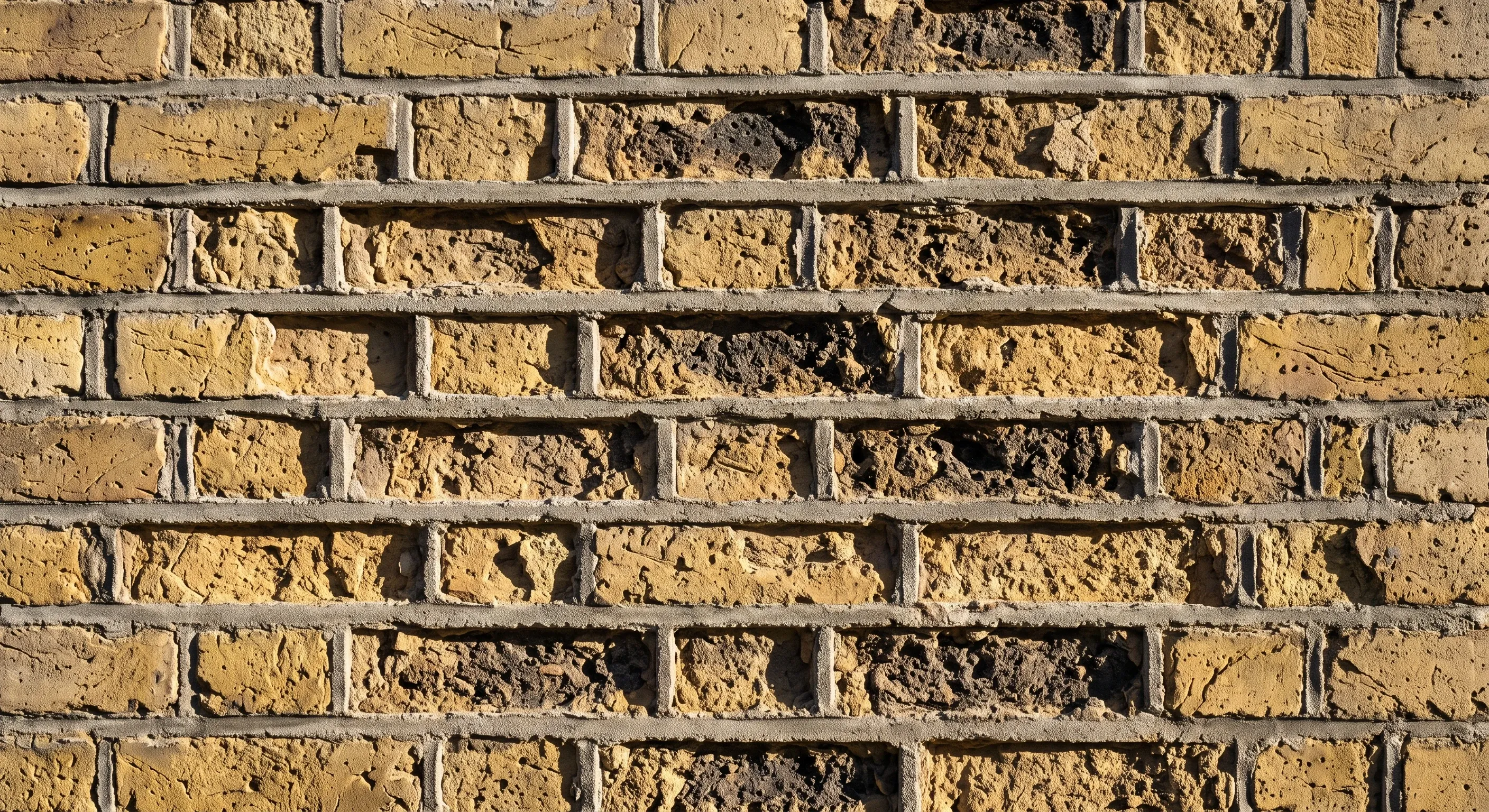
Spalled brick faces cannot be pointed back. What causes spalling, why cement mortar is usually to blame, and the four repair options that actually work.

Slate lasts 80 to 150 years, concrete tile 50 to 60, felt 10 to 20. How to inspect a roof properly and tell structural movement from a worn covering.
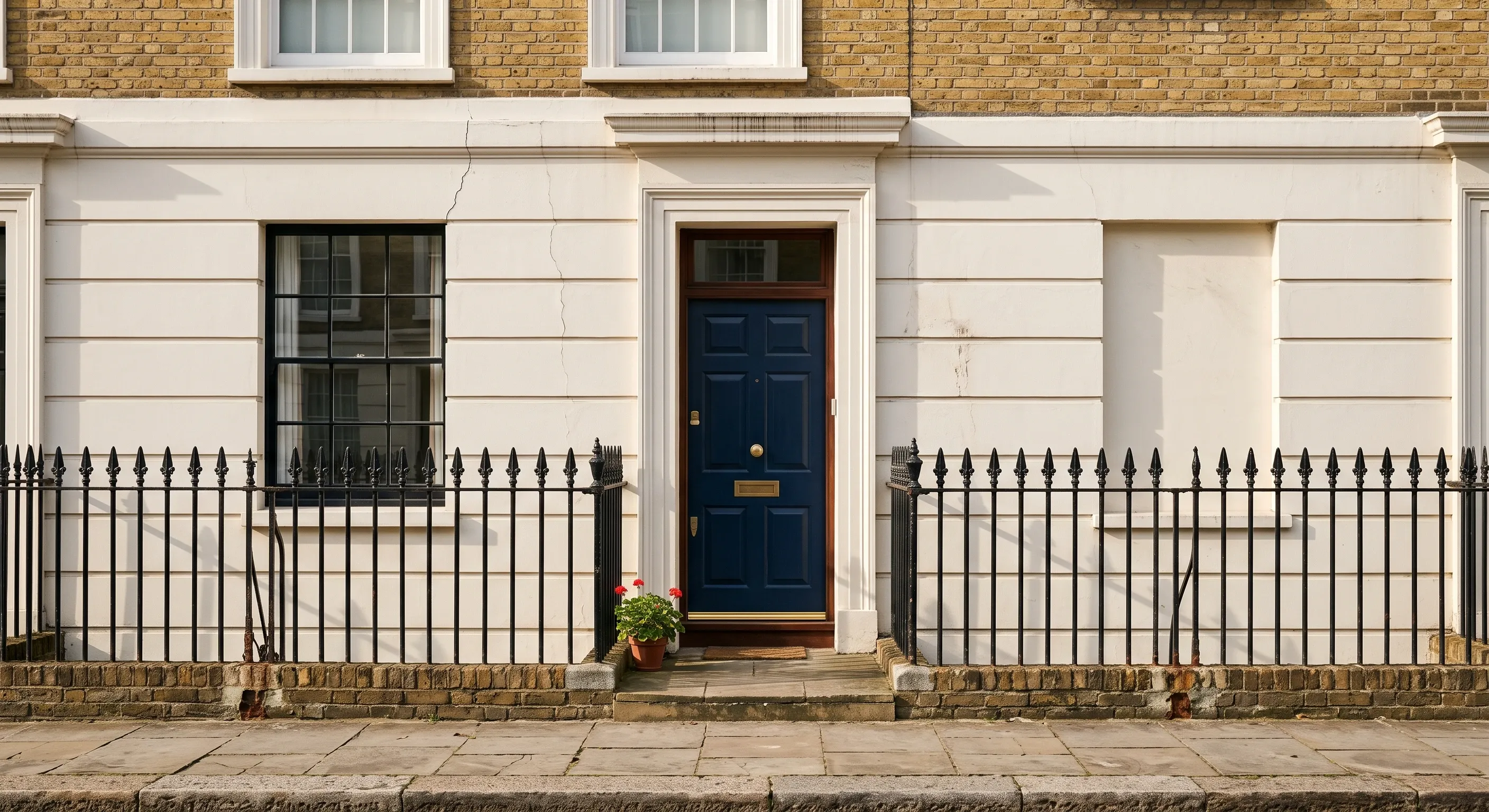
Exterior painting is permitted development under Class C of the GPDO. An Article 4 direction removes that, and listed building consent is stricter still.