







The Beams team removed all the stress and matched me with a wonderful contractor."
Teresa
Queen's Park

On time and on budget. A real pleasure."
Eleanor
Stoke Newington
Completed our renovation project within budget and on time."
Evelyn
Bow East
London's basement conversion experts
We match London homeowners with vetted builders who specialise in basements and cellars — and stay in your corner throughout.

One team, one contract
Your builder runs everything day to day — waterproofing, structural work, electrics, plumbing, insulation and fit-out — under one fixed-price contract. No juggling trades, no gaps in responsibility.
Design support available
Our designers can help you plan and visualise the space first. Cinema room, home office or guest suite — your first design call is free.
Proper protections
Fixed-price contracts. Milestone payments held securely until you approve each stage. 12-month workmanship warranty from your builder.
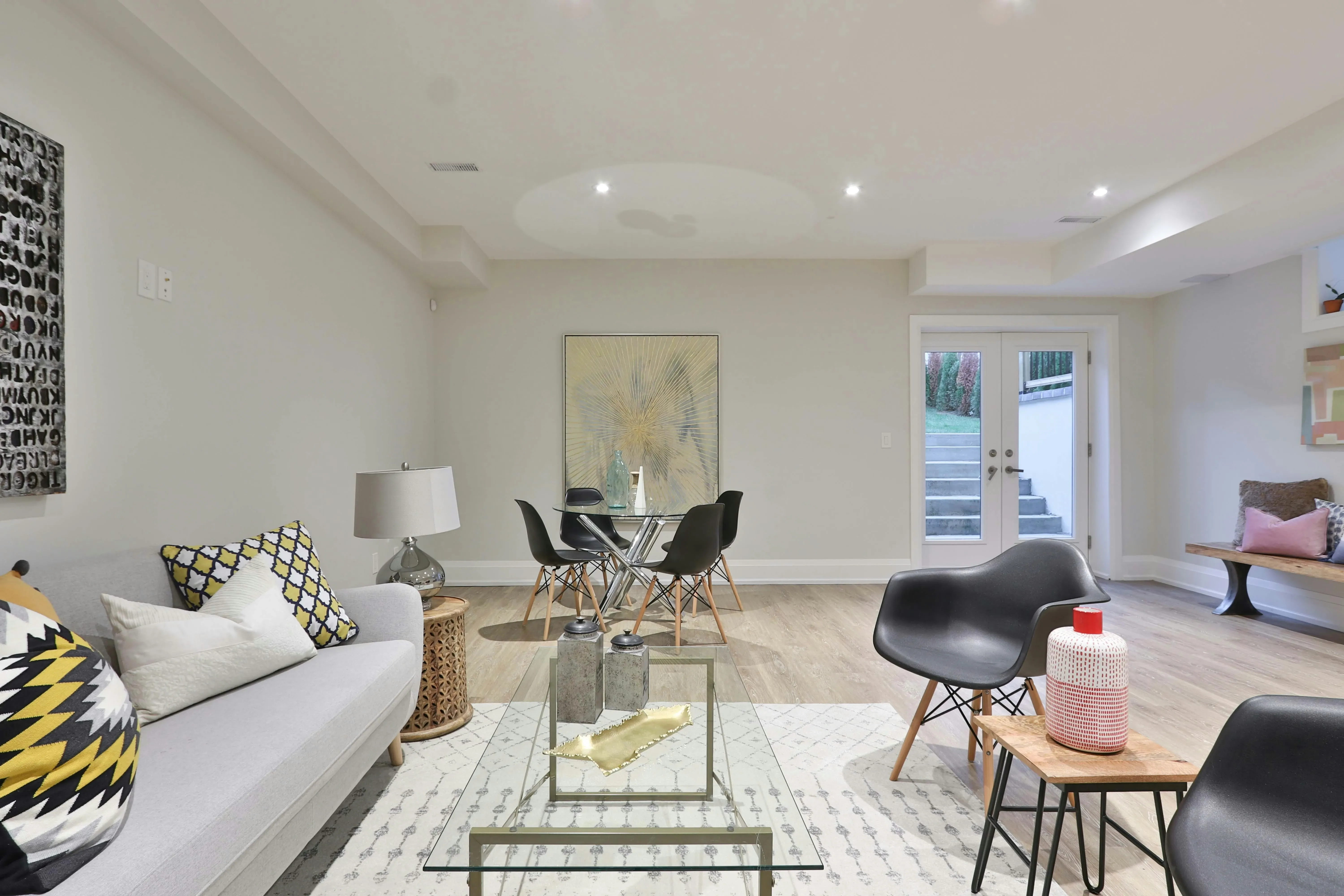
Basement conversion gallery
Explore our completed London basement conversion projects.
Cellar conversion, basement conversion or new basement?
What's right depends on what you already have beneath your home — and the difference in cost, complexity and planning is significant. If you are weighing this up against going upwards instead, we compare the two in basement or loft conversion: which should you do first.
Cellar conversion
Many London terraces already have one. If yours is sound and reasonably dry, this is the simplest route — waterproofing, ventilation, insulation, lighting and access. Often no planning permission needed.
Basement lowering and underpinning
If your cellar lacks head height — you need 2.1–2.3 metres for a comfortable room — the floor is lowered and the walls underpinned. More complex, usually needing a structural engineer and often planning permission.
New basement excavation
Where no basement exists, one can be dug. A major structural project — underpinning, excavation, new retaining walls, waterproofing and a concrete floor slab. Almost always needs planning permission, and among the most complex residential builds there is.
How basements are waterproofed
Waterproofing is the most critical element of any basement conversion — get it right and the space stays dry for decades. UK waterproofing follows British Standard BS 8102:2022, which sets out three approaches:
Type A — Barrier protection (tanking)
A membrane or cementitious coating applied to walls and floors to stop water entering. Suits sound, dry existing structures.
Type B — Integral protection
Waterproofing built into the concrete structure itself. More common in new builds than conversions.
Type C — Cavity drain membrane
The most widely used system in London. A studded membrane channels any water that enters to a sump pump and out — managing water rather than stopping it entirely.
For habitable rooms, BS 8102 specifies Grade 3 — a dry environment fit for living space. In London's clay soils and high water table, a combined Type A and Type C system is often used. All systems should be designed by a CSSW (Certificated Surveyor in Structural Waterproofing).
For a full guide to costs and options, see how much a basement conversion costs.
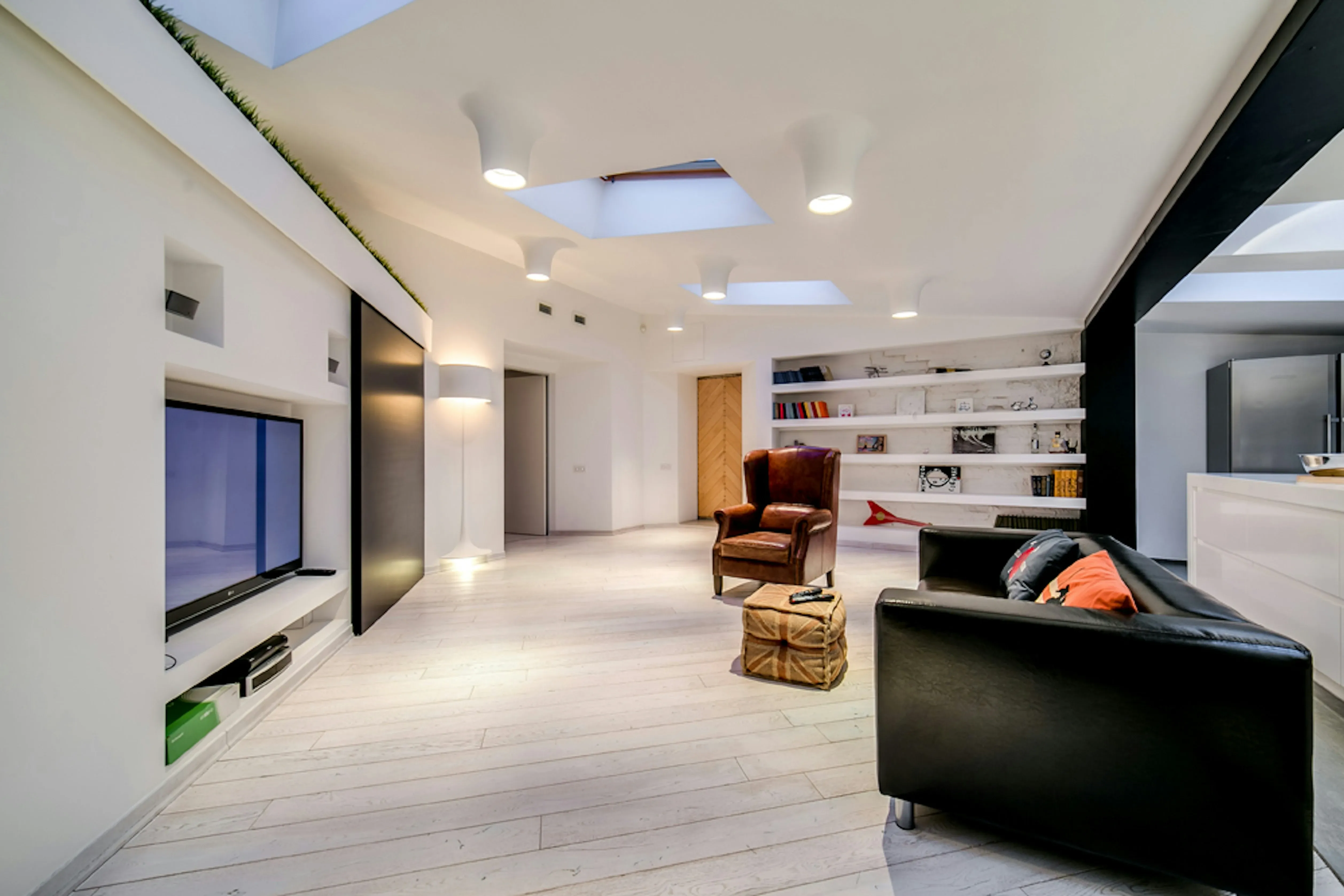
What your basement could become
The right use depends on your home and what you need most.
Extra bedroom or guest suite — a habitable room that lifts property value.
Home office — quiet, separate from the main house, and prized by buyers.
Cinema or media room — naturally quiet, easy to black out.
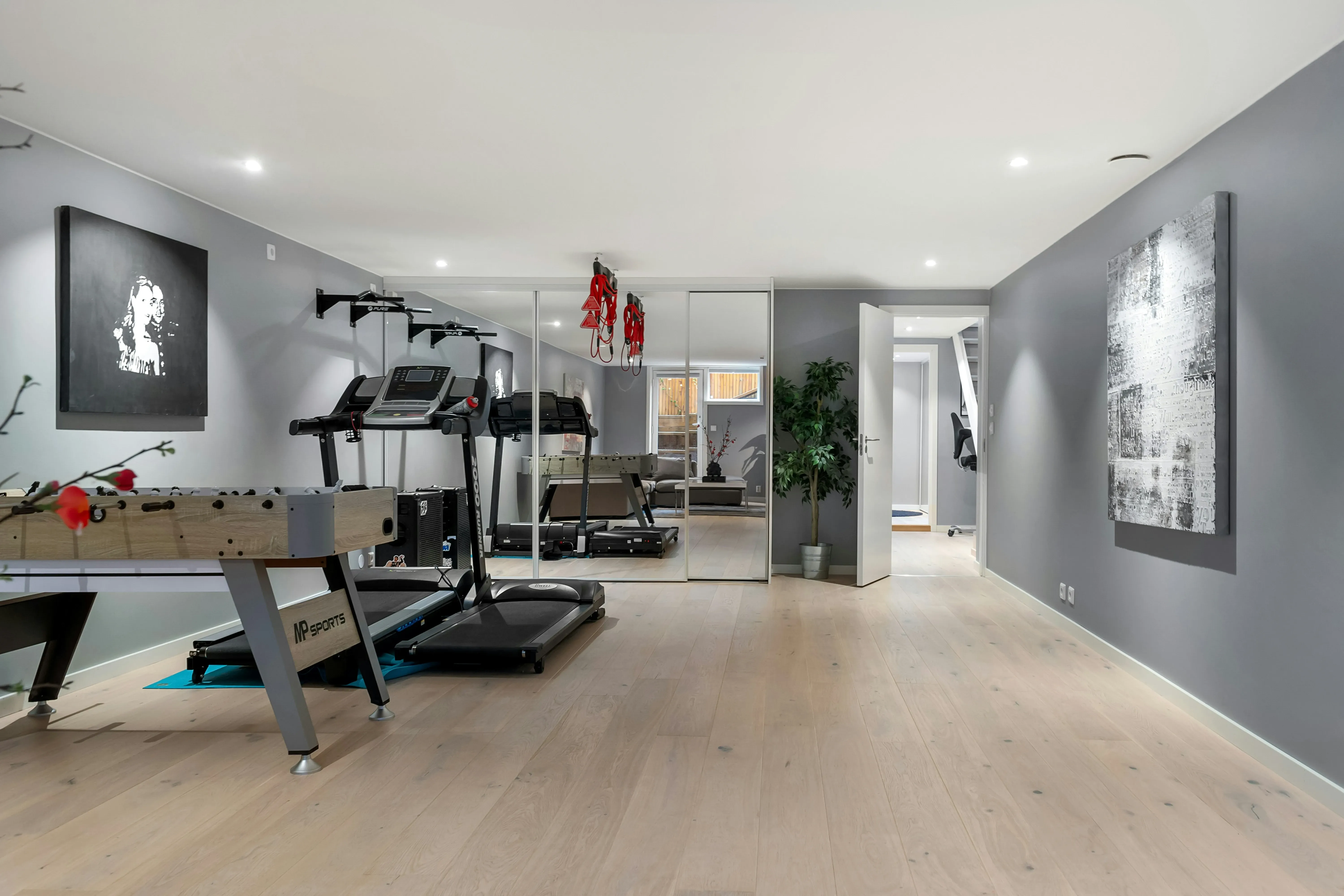
Gym or wellness space — no noise complaints, no weather.
Wine cellar — consistent temperature and humidity, and a feature buyers notice.
Guest annexe or rental unit — a self-contained flat can earn rental income or house family, subject to planning and basement building regulations.
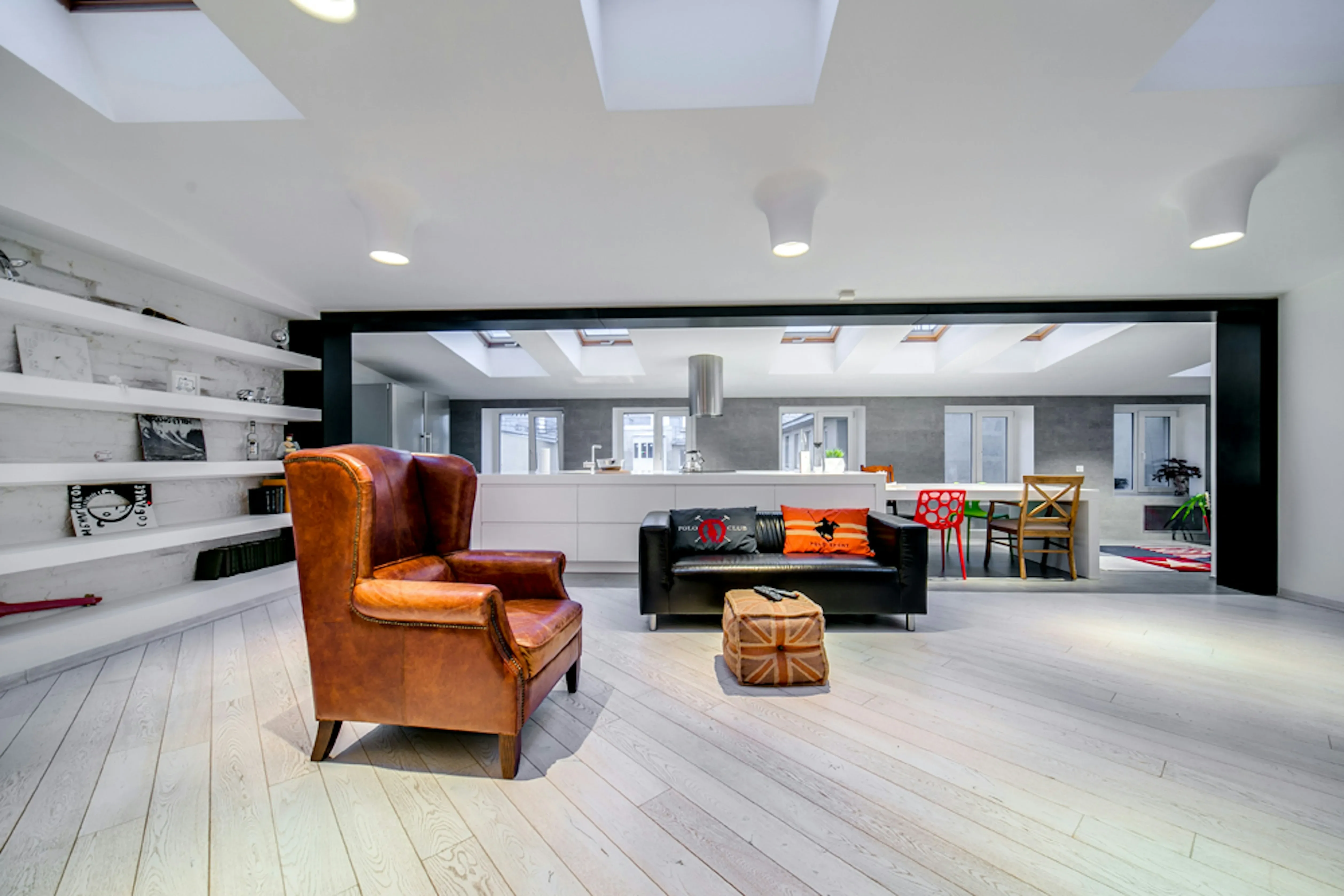
How much does a basement conversion cost in London?
Basement conversions are among the most expensive ways to add space — typically more costly than a comparable loft conversion — because of the structural complexity and waterproofing involved.
As a guide, costs vary by project type. Cellar conversion: £1,200–£2,500 per sqm. Lowering and underpinning: £1,900–£3,500 per sqm. New excavation: £4,000–£7,500 per sqm, and more for deep or prime-London digs. Indicative ranges, excluding VAT and professional fees.
For a full cost breakdown by type, see how much a basement conversion costs.
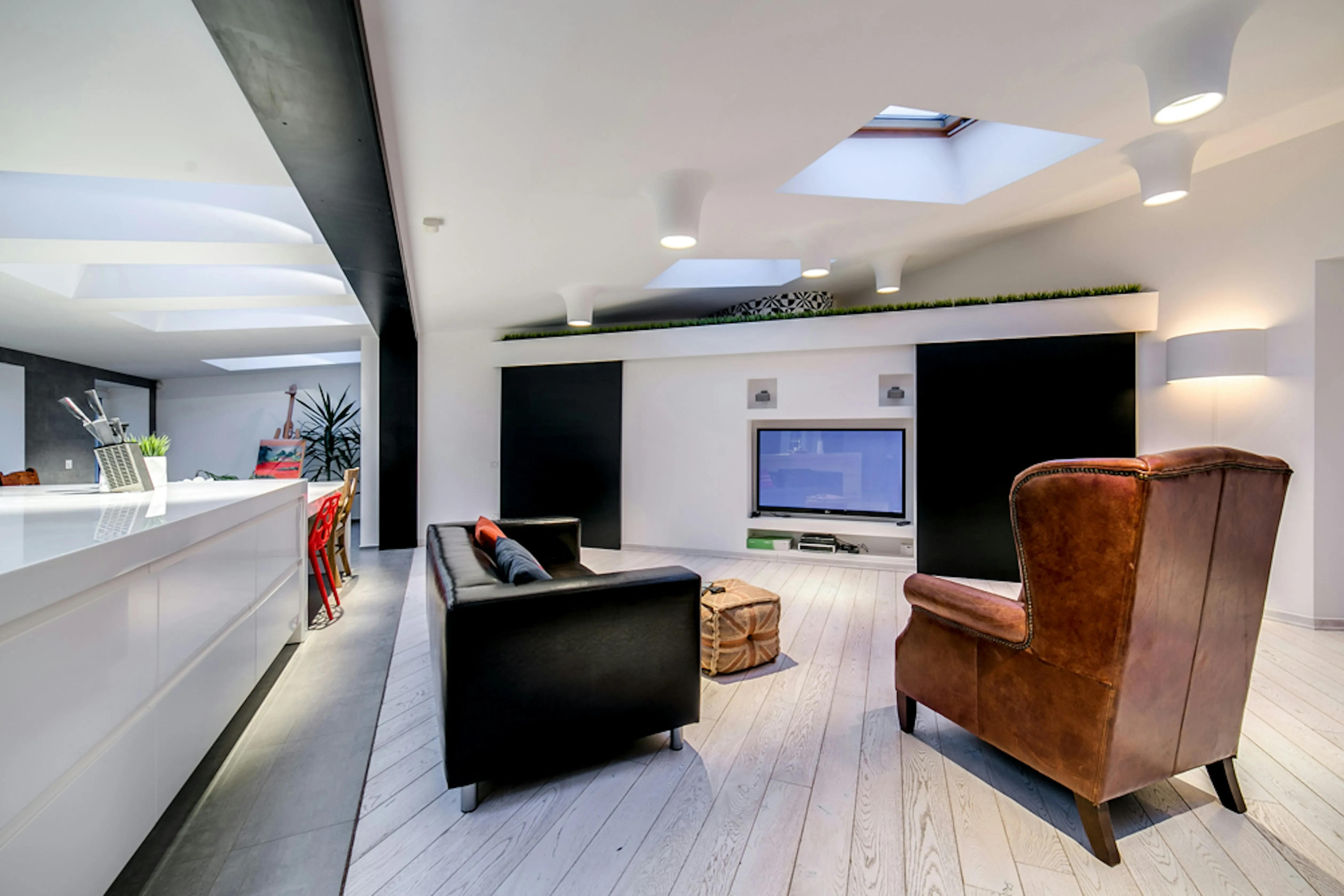
Planning permission for basement conversions in London
What you need depends on the project type and where you are.
Cellar conversions with no external changes often don't need permission, though more London boroughs are tightening their rules — check locally early. Building Regulations approval is always required.
Lowering, new digs and lightwells almost always need full planning permission. Conservation areas and listed buildings require consent; leaseholders also need the freeholder's permission.
The Party Wall Act 1996 applies to nearly every London project — notice must be served at least two months before work begins.
For a full guide, see planning permission for a basement conversion.
How a Beams basement conversion works
A clear process from first conversation to finished space.
Step 1 — Get your estimate
Tell us about your property and what you want to create. Your planner gives you a free estimate range, with no commitment, and helps you find the right type of conversion.
Step 2 — Design and plan
Work with a Beams designer to visualise the space and agree the specification — or go straight to your builder. Your first design call is free.
Step 3 — Built by your vetted builder
Your matched builder runs it day to day — survey, waterproofing, structural work, fit-out and finishing. Milestone payments held securely until you approve each stage. 12-month workmanship warranty from your builder.
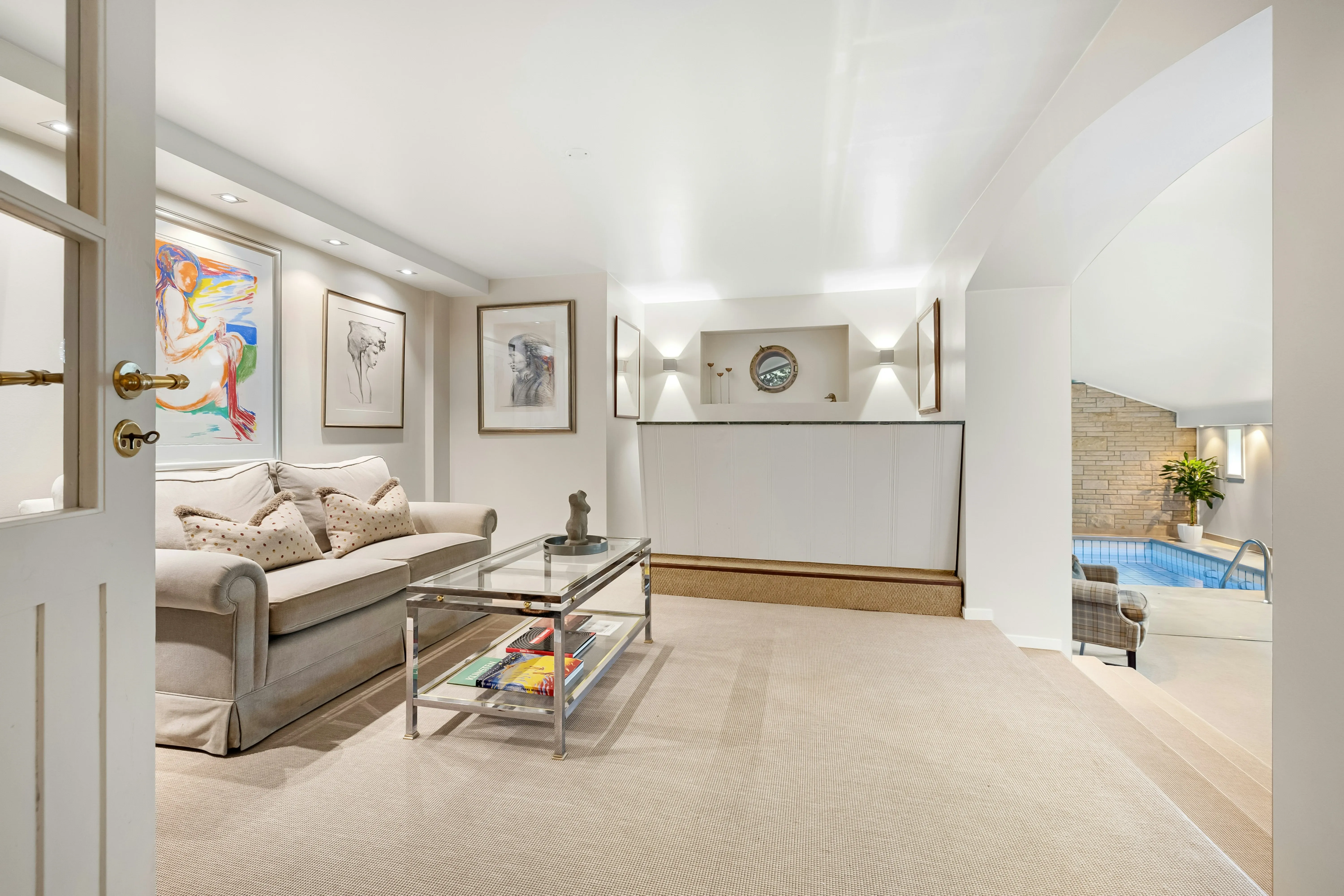
Why a basement conversion is worth it
There is no reliable published figure for what a basement adds to a home's value - the 10 to 20% widely quoted for London basements traces back to no verifiable source. What the best available research does show is that usable bedrooms move price more than floor area alone: Nationwide's October 2025 analysis found that 28 square metres containing a double bedroom and a bathroom adds as much as 24% to a three-bedroom, one-bathroom house. It does not separately measure basements, so treat that as the nearest comparable. Because a basement adds floor area without touching your footprint or your garden, it is one of the most space-efficient ways to add a room in London, though the ceiling price of your street decides the return. We set out the full picture in do basement conversions add value.
The most valuable conversions create an extra bedroom, home office or self-contained annexe — the spaces buyers pay a premium for.
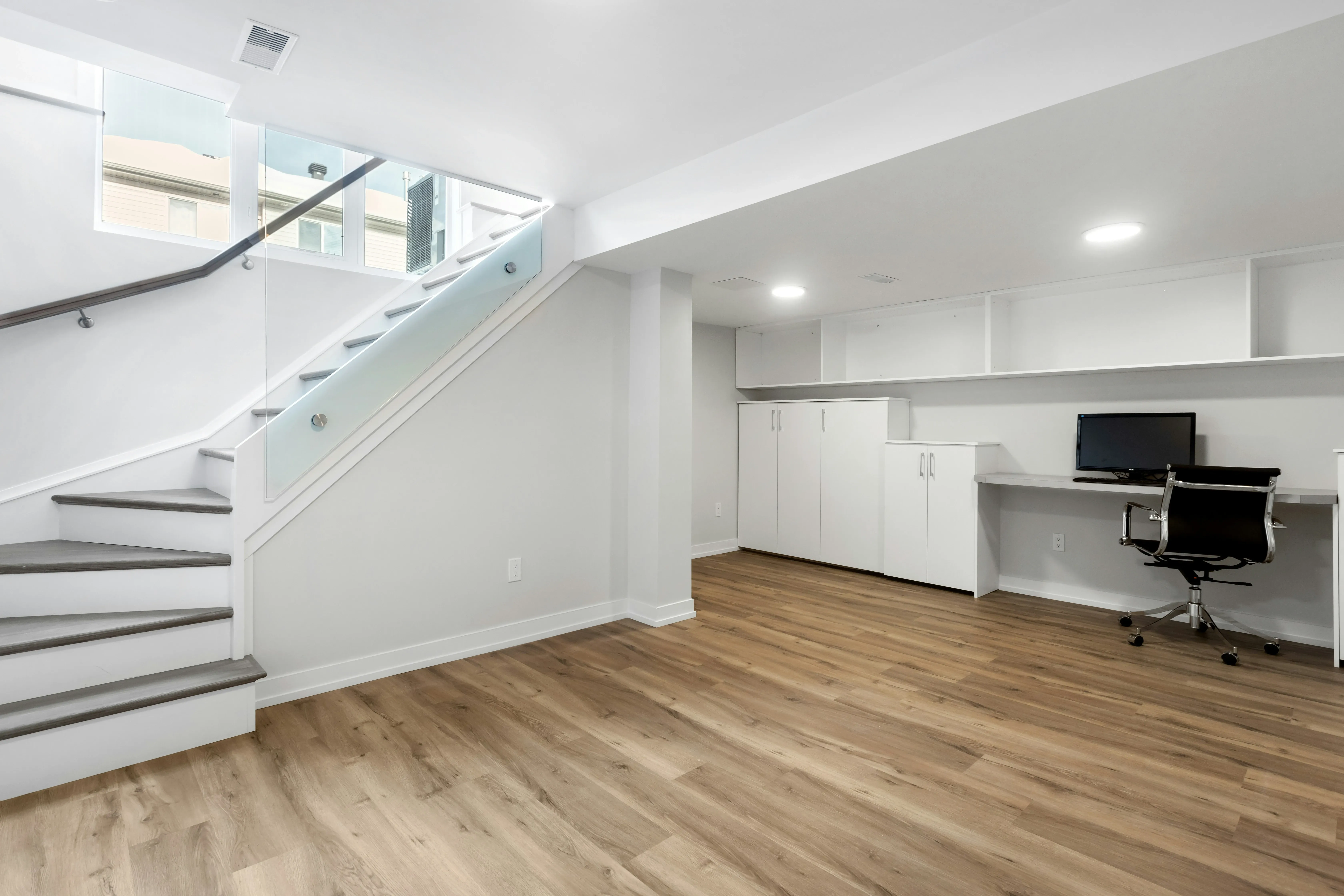
Basement conversions across London
We work with vetted builders across every London postcode — north, south, east and west. Whether it's a Victorian cellar in Islington, a Georgian semi in Clapham or a terrace in Hackney, our builders know the structures, planning constraints and ground conditions specific to London.
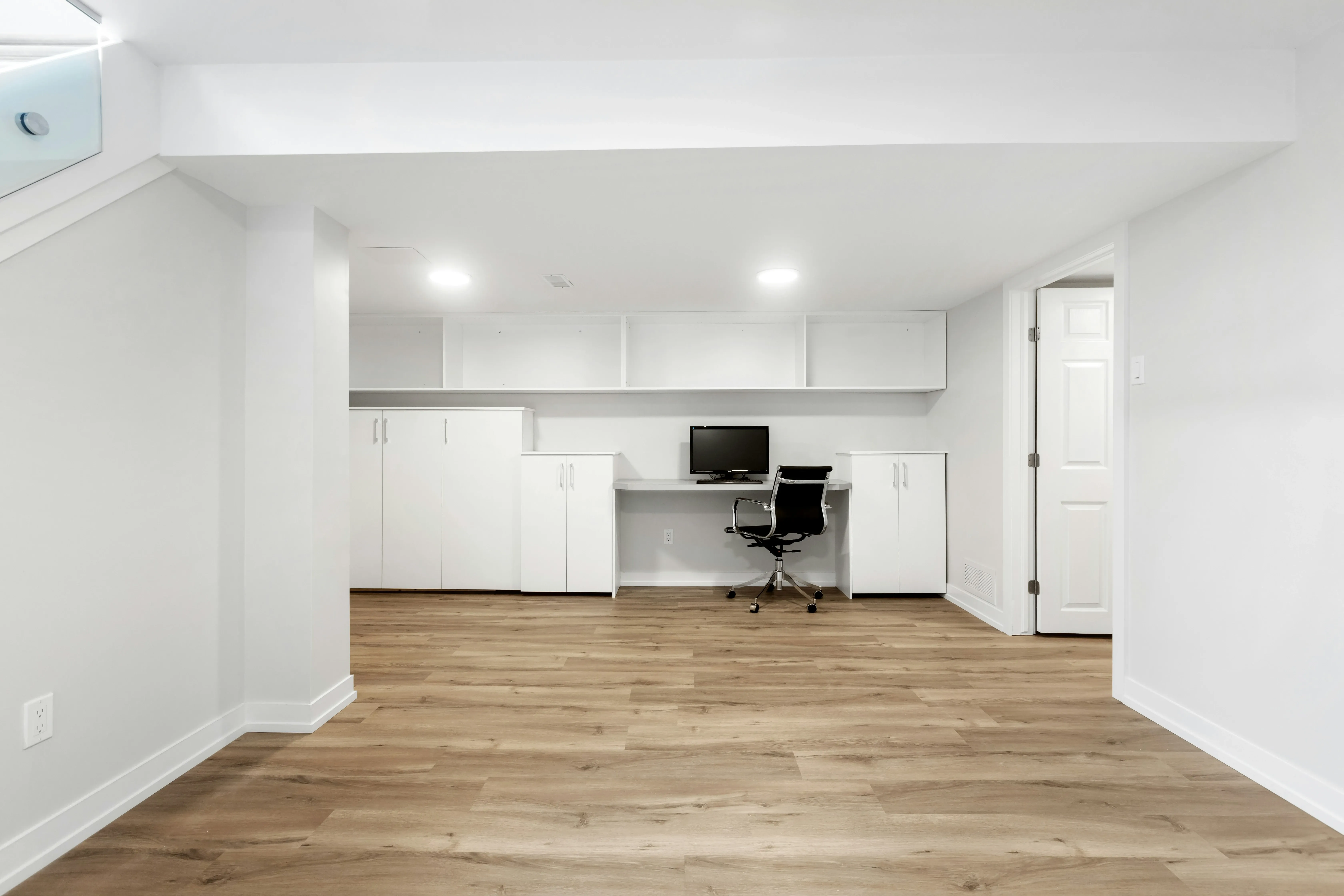
Ready to unlock the space beneath your home?
Get a free estimate and find out what's possible beneath your property. No commitment, no sales pressure.