
How long does a roof last in the UK, and how to tell when yours is going


In the UK, a natural slate roof lasts 80 to 150 years, clay tiles 60 or more, concrete tiles 50 to 60, felt 10 to 20, EPDM 25 to 50 and GRP 20 to 30. Most roofs, though, fail at the nails, mortar and flashings decades before the covering itself wears out.
That gap between the material and the fixings is where nearly every roofing decision goes wrong. A homeowner reads that slate lasts a century, looks at a 110-year-old Victorian roof, and books a full strip and recover. In reality the slate is often fine. The iron nails holding it up rotted away twenty years ago. Knowing which of those two things has failed is the difference between a repair and a five-figure job.
How long does a roof last in the UK by material?
Here are the numbers, with where they come from. Treat every figure as a service life under normal UK exposure with the roof kept maintained, not a promise.
Covering | Typical service life | Source and basis |
|---|---|---|
Natural slate (Welsh, Spanish, stone) | 80 to 150+ years | Checkatrade's slate roof cost guide puts it at 50 to 200 years, with most easily passing 100. Historic England states a well-maintained stone slate roof will last at least a century and possibly much longer |
Clay plain tile | 60+ years | BRE testing on aged roof tiles found 60-year-old clay tiles still exceeded minimum strength requirements |
Concrete tile | 50 to 60 years | Redland guarantees its concrete tile products for 60 years. Marley offers a 15-year warranty on the complete roof system, with the tiles themselves expected to run well past that |
Built-up felt (flat) | 10 to 20 years | Roofing Superstore's flat roofing guide puts felt at the bottom of the UK range, from as little as 10 years |
EPDM rubber membrane (flat) | 25 to 50 years | UK supplier guidance. Not a warranty figure, and it assumes correct falls and detailing |
GRP fibreglass (flat) | 20 to 30 years | UK supplier guidance. Thin laminates and poor edge trims fail much earlier |
Notice how loose the flat roof numbers are. That is not sloppiness on the part of the suppliers, it is the honest position: a flat roof's life is set almost entirely by whether water leaves it. The guarantee you are actually offered on a new flat roof is usually 10 to 20 years, well short of the lifespan quoted in the marketing. Ask for the written guarantee and read what voids it. Ponding, which is standing water 48 hours after rain, voids a surprising number of them.
Why do roofs fail before the material's lifespan is up?
Because the covering is the most durable part of a roof and everything holding it on is not. On a Victorian or Edwardian slate roof the usual culprit is nail sickness: the original ferrous nails corrode, lose their grip, and slates start slipping one at a time. The slate is undamaged. It simply has nothing holding it.
The other early failures are all at the joints and edges. Mortar bedding on ridges and hips shrinks and cracks, usually somewhere between 20 and 30 years. Lead flashings at chimneys, abutments and valleys work loose or split along fatigue lines. Timber battens rot, particularly where an old roof has no underlay and wind-driven rain has been landing on them for decades. Sarking felt, where it exists at all on pre-war stock, tears and sags into the rafter bays. Every one of those is a repair. None of them means the roof is finished.
A roof that has been patched with lead tingles, those little metal straps clipped over a slipped slate, is telling you something specific. One or two tingles is a sensible repair. Thirty of them across an elevation means the nails have gone as a batch, and patching is now just slowing the rate at which slates land in the garden.
What are the signs you need a new roof?
Six things, in rough order of how much they should worry you.
- Slipped or missing slates and tiles appearing in groups, not singly, across a whole slope. Group failure points at the fixings, not at storm damage.
- Daylight through the roof from inside the loft. Stand in an unlit loft on a bright day and let your eyes adjust for two minutes before you judge this.
- Delaminating slate. Slate that has gone soft and is flaking into layers at the tail has genuinely reached the end. Tap a loose one: a sound slate rings, a dead one thuds.
- Spalling or crazed concrete tiles, with the surface coating worn off and the aggregate showing through. Concrete tiles get more porous as they age and heavier when wet.
- Sagging, dipping or bowing in the roofline when you sight along the ridge from the street. This is the serious one, and the next section is entirely about it.
- Damp patches on top-floor ceilings, dark staining on rafters, or wet insulation. Water entering at a defined point after rain, then drying out, is a roof defect. Damp that is worst in winter, sits low on a wall and never really dries is a different problem with a different fix, and worth understanding before you spend anything, because what damp treatment actually costs bears no relation to a roof repair.
Moss is not on that list. A moss-covered roof in London looks neglected and moss does hold moisture against the covering, which accelerates freeze-thaw damage over time. It is a maintenance item. It is not evidence that the roof needs replacing, and a roofer who leads with the moss is selling you a jet wash.
Roofline movement or worn covering: which one do you actually have?
This is the distinction that decides whether you are looking at a finish problem or a structure problem, and almost nothing on the first page of Google draws it.
Worn covering is a finish. Slipped slates, perished felt, crumbling mortar, tired flashings. The roof structure underneath is sound, the timbers are straight, and the fix is to strip the covering, replace battens and underlay, and re-cover. Expensive, disruptive, entirely routine. A good roofer handles it without a structural engineer ever setting foot on site.
Roofline movement is structural, and it looks different. Sight along the ridge from across the road. A ridge that dips in the middle means the rafters have sagged and pulled the ridge down with them. Then look at the top of the front and rear walls. If the eaves line bulges outward, if there is horizontal cracking in the brickwork near the wall plate, or if the top course of bricks is leaning out over the ones below, you have roof spread: the rafters are pushing the walls apart because nothing is tying their feet together. Ceiling joists and collar ties are what normally stop that, and on older roofs they have often been cut through for a water tank, a loft hatch or a botched conversion.
Roof spread does not fix itself and it does not fix by re-covering. It needs a structural engineer, and the remedy is usually new ties or a steel at ridge or plate level before any new covering goes on. Re-covering a spreading roof, particularly if you go from slate to a heavier concrete tile, makes it worse. If you are buying and the survey mentions any of this, price the engineer's report before you price the roof.
What does "nearing the end of its serviceable life" mean on a survey?
It means the surveyor is managing risk, not issuing a verdict. The phrase appears constantly in RICS Home Survey reports and buyers consistently read it as "this roof is about to fail". It is not that.
RICS condition ratings run 1 to 3. A 1 means no repair is currently needed. A 2 means defects that need repairing or replacing but are not serious or urgent. A 3 means defects that are serious, or that need repairing, replacing or investigating urgently. A roof described as nearing the end of its serviceable life almost always carries a 2, and a 2 is not a reason to walk away or to knock the full cost of a new roof off your offer. It is a reason to get a roofer up there and convert an opinion formed from the ground into an actual schedule of works.
Two more things about survey language. A Level 2 survey is a visual inspection from ground level and, where safe, from a loft hatch. The surveyor has not walked the roof, lifted a slate or opened a flashing. And "serviceable life" is being estimated from the property's age and the covering type, which is exactly the method that mistakes nail sickness on sound slate for worn-out slate. Older housing stock produces this misread more than anything else, which is why what typically goes wrong in a Victorian terrace so often includes a roof that looks worse on paper than it does on the ladder.
How do you inspect a roof properly without getting on it?
Four checks, none of which need a ladder, and all of which are more informative than a photo taken from the pavement.
Start inside. Go into the loft on a bright, dry day with a torch off, and look for daylight, water staining, and the pattern of that staining. Then go back in during or straight after heavy rain and look again. Where water appears tells you far more than where the stain is, because water tracks along rafters before it drops. Second, take binoculars to the far side of the street and read the ridge line, the eaves line and the flashings at every chimney. Third, photograph each elevation on a phone at maximum zoom and compare the images year on year. Fourth, look in the gutters and at the base of downpipes: a slurry of grit and aggregate means concrete tiles are shedding their surface, and slate fragments mean slates are breaking at the nail hole.
What none of that tells you is the condition of the battens, the underlay, the nails and the timber ends where they sit on the wall plate. Only lifting the covering does. That is the single reason a written quote from a roofer who has been up on the roof beats a survey note, an online calculator and a drive-by estimate combined, and it is why any serious roofing work in London should start with someone on scaffold or a tower getting hands on the covering before a price is set. Scaffolding for the inspection is not wasted money if the same scaffold is then used for the work.
When is a repair enough, and when do you strip and recover?
Repair when the failure is local and the rest of the slope is sound: a handful of slipped slates, one failed valley, a chimney flashing, a section of ridge. Strip and recover when the failures are spread across a whole elevation, when the battens or underlay have gone, or when you are replacing more than roughly a third of the covering anyway and the access cost is the same either way.
The trap sits between those two. Recovering half a roof now and half in five years means paying for scaffolding twice, and it leaves you with two different batches of slate on the same house, which matters a great deal if you are anywhere a planning officer takes an interest. Changing covering type also drags in rules most people do not expect, so it is worth checking whether replacing a roof needs planning permission before you settle the specification, not after the scaffold is up.
Frequently asked questions
Does a roof need replacing after 25 years?
No. The 20 to 25 year figure that circulates online is an American asphalt shingle lifespan and has almost nothing to do with UK housing stock. A 25-year-old concrete tile roof in the UK is barely halfway through its expected life.
How often should a roof be inspected?
Every five years for a pitched roof in reasonable condition, annually for a flat roof, and after any storm with gusts above 50mph. Checkatrade's slate roof guidance suggests a full inspection at least every five years alongside clearing gutters two or three times a year.
Can you re-roof over existing tiles?
Not on a pitched roof in the UK. The covering comes off so the battens and underlay can be replaced, and leaving the old covering in place adds load the structure was never designed for. Overlaying is a flat roof practice, and even there it is limited.
Does a new roof add value to a house?
It rarely adds value in the way an extension does. What it does is remove a deduction, because a buyer's surveyor flagging the roof reliably costs more at the negotiating table than the roof would have cost to fix.
Is moss on a roof a problem?
Only indirectly. Moss traps moisture against tiles and slates, which speeds up freeze-thaw damage over years, and it blocks gutters. Remove it carefully by hand or with a soft brush. High-pressure washing strips the surface coating off concrete tiles and takes years off them.
Find out what your project will cost
Working out whether you need a repair or a whole new roof is hard when every quote prices a different job. Beams gets you up to three comparable quotes from vetted London builders, all pricing from the same written scope, so you can see what the work actually costs before you commit.
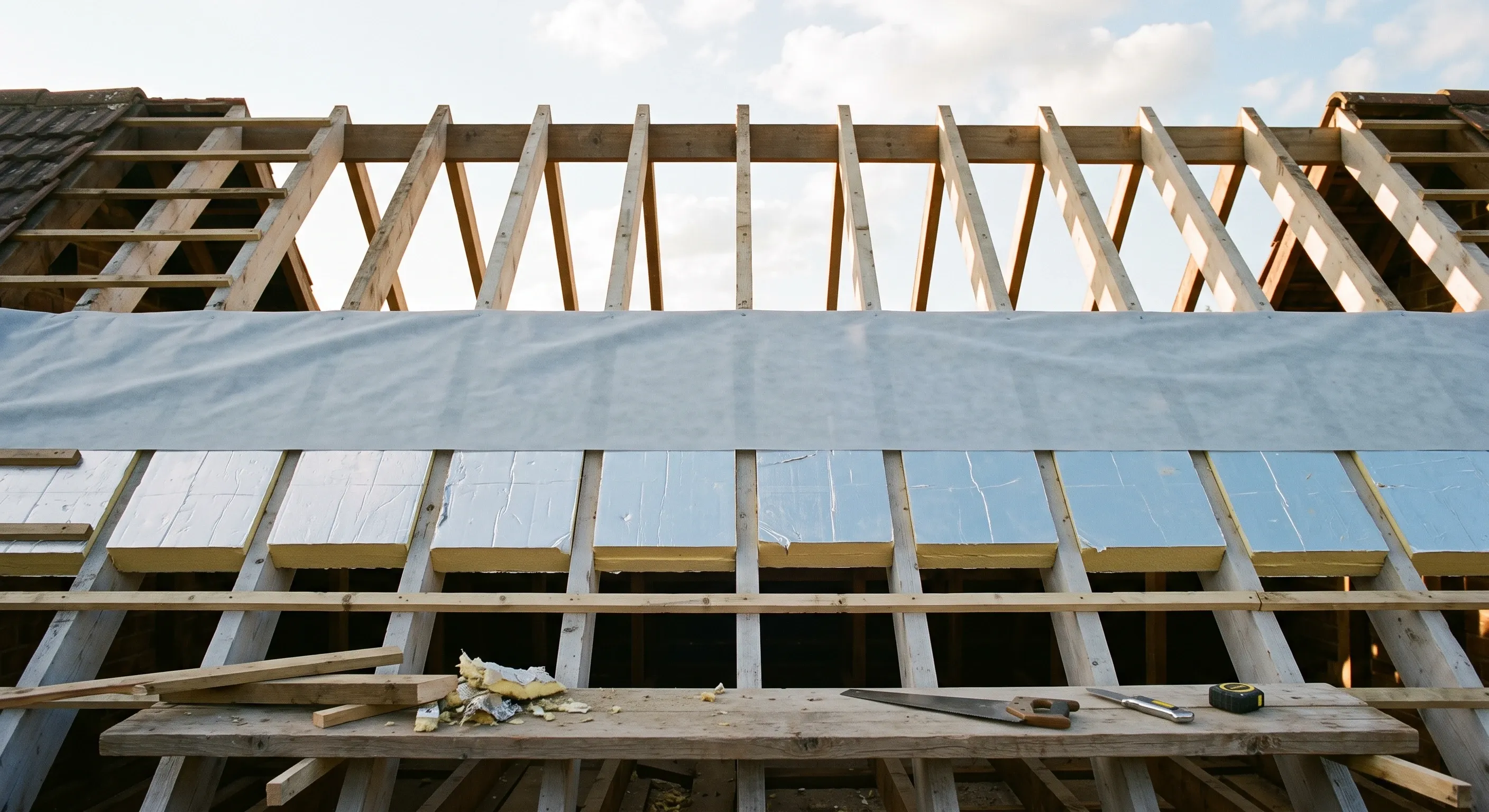
Like-for-like re-roofing is permitted development. Building regs almost always apply. The 25% and 50% Part L thresholds, and when Article 4 forces slate.
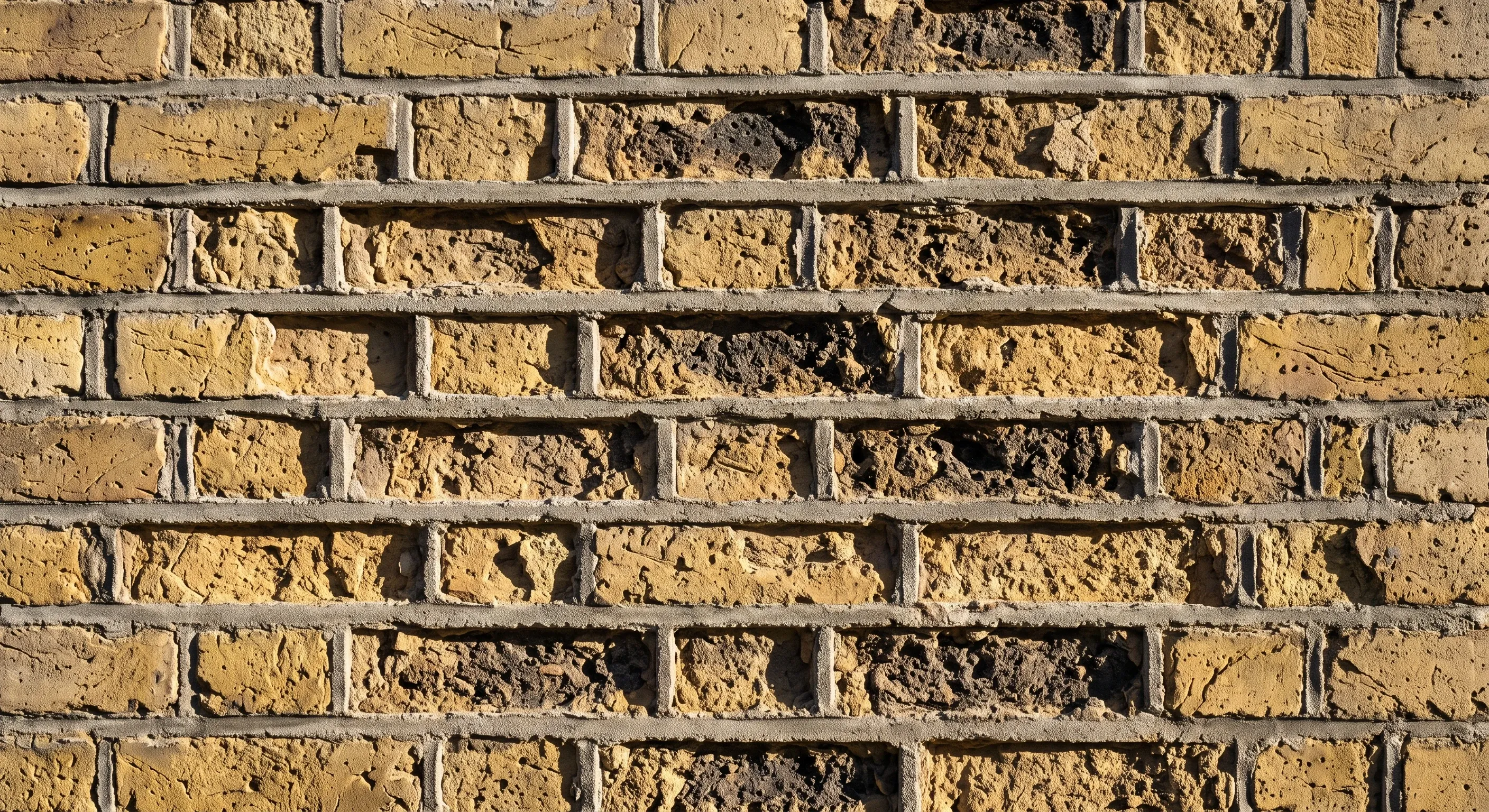
Spalled brick faces cannot be pointed back. What causes spalling, why cement mortar is usually to blame, and the four repair options that actually work.
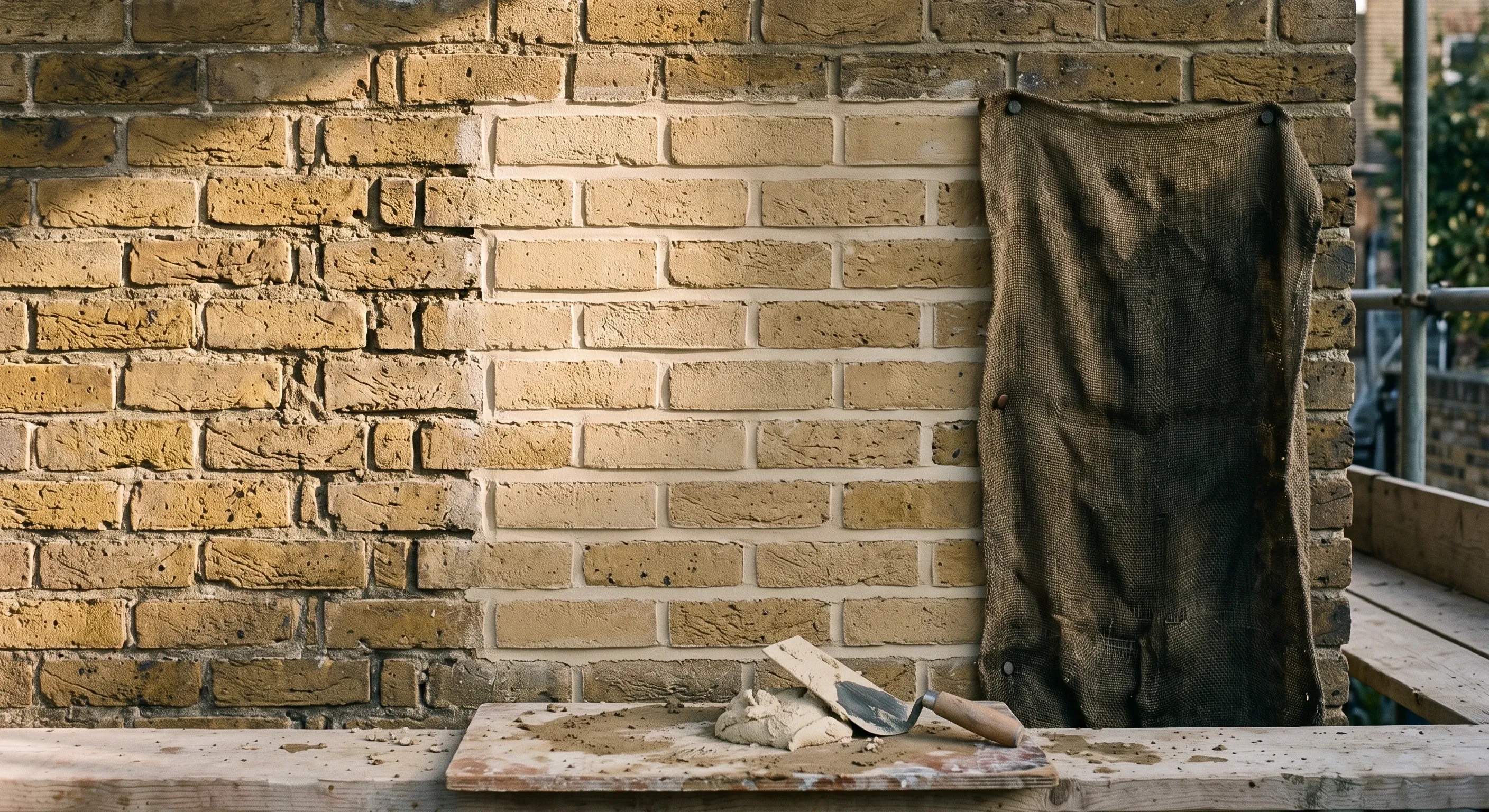
Repointing an unlisted house in a conservation area rarely needs permission. A listed building does, and unauthorised work is a criminal offence.