
Should you move to Fulham?

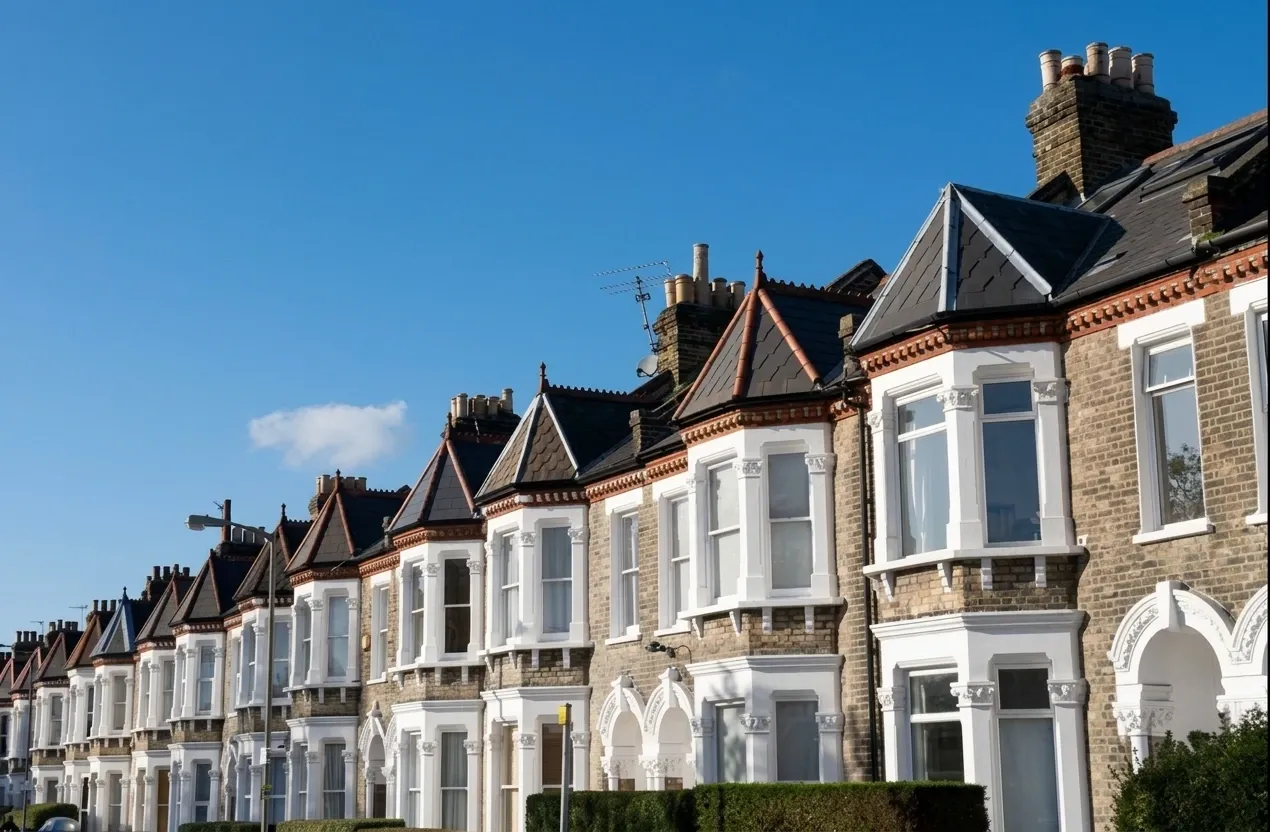
Fulham gives you three District line stations, a mile of Thames path, and the third lowest council tax bill of any billing authority in England at £1,519.51 for a Band D property in 2026/27. The trade-offs are small houses for the money, no large park, two Premier League stadiums inside one postcode, and a borough-wide restriction that means you cannot dig a basement without full planning permission. Should you move to Fulham?
If you're weighing Fulham against Wimbledon, Putney or Battersea, those four facts will decide it more than anything in an estate agent's brochure.
The council tax is the fact nobody leads with
A Band D property in Hammersmith and Fulham pays £1,519.51 for 2026/27, including the Greater London Authority precept of £510.51. That is the third lowest bill of any billing authority in England, behind only Wandsworth and Westminster, and around £872 below the England average Band D.
Put it beside the neighbours and it becomes a real number. The same band in Richmond costs £2,486.10. In Camden it's £2,207.12. Over ten years, the difference between a Fulham address and a Richmond one is comfortably five figures on current rates, and almost nobody includes it when comparing asking prices.
Where Fulham actually is, and what people get wrong
Fulham is SW6, between Chelsea to the east and Putney across the river to the south west. Its sub-areas are genuinely distinct: Parsons Green, Fulham Broadway and Walham Green, Sands End, Munster Village, Hurlingham and the Peterborough Estate.
Two persistent misconceptions.
Stamford Bridge is in Fulham. Chelsea Football Club plays at a ground in SW6, in the London Borough of Hammersmith and Fulham. This matters practically, not just pedantically, because the parking controls around it apply to Fulham residents.
Fulham is not uniformly well connected. Every guide says three tube stations and stops. Fulham Broadway, Parsons Green and Putney Bridge all sit on the same District line branch, the Wimbledon one, running down the western side. The part of SW6 that is genuinely underserved is the south east: Sands End, the Wandsworth Bridge Road corridor and the Hurlingham area, where the nearest station is Imperial Wharf on the Overground and the District line is a long walk. If you're viewing in Sands End, time the walk yourself.
Two football clubs, two very different parking regimes
This is the friction nobody writes about, and it's worth understanding before you buy.
Craven Cottage, Fulham FC, sits on Stevenage Road beside Bishops Park. Match day parking restrictions apply in zones T, X and Y. In zones X and Y a one hour maximum stay applies on controlled match dates, from 9am to 9.30pm including Sundays and bank holidays, against a normal eight hour maximum. Zone T is two hours. Permit holders are exempt from the maximum stay. There is no stadium car park, so everyone arriving by car is parking on your street.
Stamford Bridge is the more onerous one, and it isn't match-day-only. From the 2024/25 season, zones F and S around the ground have run controls from 8.30am to 10pm, seven days a week, with a two hour maximum stay for visitors in zone F and one hour in zone S for anyone not booked in by a resident.
Residents in match day zones also pay a higher permit rate than the rest of the borough, because the scheme is funded that way. Confirm the exact rate for your street with the council before you commit, and confirm which zone the address is in, because these boundaries are redrawn from time to time.
No big park, and residents notice
Fulham has plenty of green space and none of it is large. Bishops Park along the river, Parsons Green, Eel Brook Common, Hurlingham Park and South Park all appear in the 2026 Green Flag Award winners list.
But there is no Hampstead Heath, no Richmond Park, no Wimbledon Common. The most quoted resident summary is that there are lots of small parks and no big park within walking distance, although you have the river.
The river is the compensation, and it's a good one. The Thames path runs the length of Bishops Park past Craven Cottage. Fulham Palace, the former residence of the Bishops of London, is free to visit with a walled garden attached.
Schools
Fulham's state schools are unusually strong, and the sector split matters.
Outstanding judgements, with dates: Fulham Primary in May 2024, Langford Primary in January 2025, St John's Walham Green CofE in June 2024, The London Oratory School in October 2022, Lady Margaret School in January 2024 and The Hurlingham Academy in May 2024. Holy Cross RC and Sir John Lillie were both rated Good in 2025.
Several others, including All Saints CofE, Queen's Manor, Sulivan and Fulham Cross Girls', carry no overall grade at all. That is not a downgrade. Ofsted stopped issuing single overall judgements for state schools in September 2024 and moved to report cards under a new framework from 10 November 2025, and has said explicitly that the new grades cannot be compared with the old ones. Any guide showing you a tidy list of one-word ratings is working from a system that has been retired.
One correction worth making: Kensington Prep is a GDST school inspected by the Independent Schools Inspectorate, not Ofsted. Some area guides show an Ofsted rating for it. There isn't one.
Crime, with the actual figures
Most guides assert Fulham is safe and none sources it. Metropolitan Police ward data for the twelve months to June 2026: Parsons Green and Sandford recorded 895 crimes, Sands End 891 and Munster 879. Remarkably even across the three.
In June 2026 the top category in Parsons Green and Sandford and in Sands End was violence and sexual offences, at 19 and 20 respectively, with anti-social behaviour close behind. In Munster, anti-social behaviour was top at 20.
These are counts, not rates, and the Met publishes no population denominator alongside them, so resist anyone who converts them into a per-thousand figure. What they show is that the three Fulham wards are more alike than different, which is not true of every part of London.
The basement rule that catches people out
Here is the single most consequential planning fact in SW6, and it appears in none of the area guides.
Hammersmith and Fulham has an Article 4 direction removing permitted development rights for basements across the whole borough, other than the area designated as the Old Oak and Park Royal Development Corporation area. The council made the direction on 25 April 2017, confirmed it on 16 April 2018, and it came into force on 26 April 2018. The effect is that creating a new basement, a lightwell, or any other development below a dwellinghouse or its curtilage requires full planning permission, with a basement impact assessment covering structural stability, drainage and groundwater.
In a borough of Victorian terraces on small plots, where digging down is often the only way to add space, that is a material constraint. If you're buying a Fulham house with a plan to convert or excavate a basement, budget for a full application and the professional reports that come with it.
On top of that, roughly half the borough sits within a conservation area, including Hurlingham, Parsons Green, Walham Green, Moore Park, Central Fulham and Sands End. What that changes about your renovation is worth reading before you draw anything.
The houses
Fulham is Victorian and Edwardian terraces, densely laid out, with flats making up the largest share of sales, split between period conversions and the newer riverside schemes at Sands End, Chelsea Harbour and Imperial Wharf. Semi-detached and detached houses are uncommon and cluster near Hurlingham and the river at a large premium.
The Lion Houses on Bovingdon Road and Chipstead Street, part of the Peterborough Estate, are the distinctive local stock, each with a stone lion on the gatepost, built from around 1890. They sit within a conservation area, which is a different and lighter protection than listing.
Because the terraces are narrow and the plots are small, the standard Fulham project is a side return or rear extension rather than anything grander, and party wall agreements are close to unavoidable.
What's coming
Earls Court is the big one. The 44 acre site straddling Hammersmith and Fulham and Kensington and Chelsea has around 4,000 homes consented in principle: Hammersmith and Fulham's planning committee resolved to grant permission on 26 November 2025 and Kensington and Chelsea's did the same on 16 December 2025. The masterplan includes about twenty acres of public realm, workspace, shops and restaurants, and cultural venues.
One thing to be clear about, because most coverage isn't. A resolution to grant is not a permission. At the time of those decisions the section 106 agreement was still being negotiated and the applications were still to go to the Mayor of London for stage 2 consideration before permissions could be issued. The developer's own published programme runs to the 2040s, but no build programme should be treated as fixed at this stage. Check the current position with either borough before you buy on it.
If you're buying in the north east of SW6, plan on a long period of construction traffic and then a substantially changed neighbourhood.
So, should you move to Fulham?
Yes, if you want central London access with a river, genuinely good state schools, and the lowest council tax of anywhere comparable. Yes if you're a couple or a family who can live in a terrace without a large garden and use the parks instead.
Probably not if space per pound is your main criterion, because the consistent resident view is that the same money buys considerably more in SW19 or SW15. Probably not if you want a big park on the doorstep. And think carefully if the plan involves digging down, because Fulham is one of the harder boroughs in London in which to do it.
Residents don't defend Fulham as exciting. They defend it as practical: the commute, the hospital, the schools, the river, and travelling against the rush hour rather than with it. That is a fair description and a reasonable thing to want.
Common questions about living in Fulham
Is Stamford Bridge in Chelsea or Fulham?
Fulham, SW6, in the London Borough of Hammersmith and Fulham. The club is named after the borough it isn't in. The parking controls around it apply to Fulham residents seven days a week.
Which part of Fulham is best for families?
Parsons Green and the Munster Village area come up most often, for the primaries and for being walkable to a station. Sands End is cheaper and better for the river, and further from the District line than people expect.
What council tax will I pay in Fulham?
£1,519.51 at Band D for 2026/27, including the GLA precept of £510.51. It is the third lowest bill in England.
Can I build a basement in Fulham?
Only with full planning permission. A borough-wide Article 4 direction, in force since 26 April 2018, removes permitted development rights for basements across Hammersmith and Fulham, and any application needs a basement impact assessment covering structural stability, drainage and groundwater.
Renovating in Fulham?
- Kitchen renovation in Fulham
- Bathroom renovation in Fulham
- House extensions in Fulham
- Loft conversions in Fulham
- Basement conversions in Fulham
- Home renovation in Fulham
- Interior design in Fulham
- Builders in Fulham
If you are still deciding between neighbourhoods, you can compare twenty London areas side by side.
Sources and verification notes
All figures checked on 20 August 2026 unless another date is given.
Primary sources
- Council tax 2026/27: London Borough of Hammersmith and Fulham published band table. Band D £1,519.51 including the GLA precept of £510.51. Third lowest billing authority in England behind Wandsworth and Westminster, and around £872 below the England average Band D.
- Comparison figures: Richmond upon Thames Band D £2,486.10 and Camden Band D £2,207.12, both 2026/27, from those councils' published tables.
- Basement Article 4 direction: Hammersmith and Fulham confirmation notice for the basement Article 4 direction. Made 25 April 2017, confirmed 16 April 2018, in force 26 April 2018. Applies to the whole borough excluding the Old Oak and Park Royal Development Corporation area, and removes permitted development rights for basements, lightwells and other development below a dwellinghouse or its curtilage.
- Green Flag Awards: Keep Britain Tidy 2026 Green Flag Award winners list. Bishops Park, Parsons Green, Eel Brook Common, Hurlingham Park and South Park all appear.
- Earls Court: Hammersmith and Fulham planning committee resolved to grant on 26 November 2025, Royal Borough of Kensington and Chelsea on 16 December 2025, around 4,000 homes. Section 106 negotiation and referral to the Mayor of London for stage 2 still outstanding at that point.
- Ofsted framework change: single overall grades withdrawn September 2024, report cards from 10 November 2025, and Ofsted's own statement that the new outcomes are not comparable with the old grades.
Where sources disagree
- Crime counts: Metropolitan Police ward data, twelve months to June 2026. Parsons Green and Sandford 895, Sands End 891, Munster 879, with the June 2026 category breakdowns as stated. Counts, not rates.
- Ofsted, Outstanding with dates: Fulham Primary May 2024, Langford Primary January 2025, St John's Walham Green CofE June 2024, The London Oratory School October 2022, Lady Margaret School January 2024, The Hurlingham Academy May 2024. Holy Cross RC and Sir John Lillie, Good, 2025.
- Kensington Prep: Girls' Day School Trust, inspected by the Independent Schools Inspectorate rather than Ofsted.
- Match day parking: Hammersmith and Fulham match day parking controls. Craven Cottage zones T, X and Y, and the Stamford Bridge zones F and S seven-day controls from the 2024/25 season. Zone boundaries and rates change, which is why the guide tells readers to confirm with the council.
- Conservation area coverage of roughly half the borough, and the named Fulham conservation areas: Hammersmith and Fulham urban design and conservation pages.
- Fulham Palace free entry and walled garden: Fulham Palace Trust.
- The Lion Houses and the Peterborough Estate, built from around 1890, within a conservation area rather than listed.
- Earls Court masterplan content, including the twenty acres of public realm and the delivery programme: Earls Court Development Company published material. Treated as the developer's own projection, not a consented programme.
What we could not confirm
- A borough total for Green Flag Awards. Published figures conflict between council announcements and the annual winners list, so only the named Fulham parks are given.
- Any first-completion or full-completion date for Earls Court, and the square footage, shop count and venue count in the masterplan. Reported figures vary and permission had not been issued at the time of the boroughs' resolutions.
- Any average house price or price per square foot for SW6. The resident view on space per pound is labelled as resident view.
- Any crime rate per 1,000 residents for a Fulham ward.
- The exact permit rate premium for match day zones. The principle is published, the current figure is not confirmed.
How resident views were gathered
Resident sentiment on the missing big park, space per pound and the practical case for Fulham comes from public forum accounts rather than a survey, and is labelled as resident view in the text.
Find out what your project will cost
Fulham is a borough of narrow Victorian terraces where the usual answer is a side return, and where digging down needs full planning permission wherever you are. Tell us about your project and we'll get you up to three comparable quotes from vetted London builders, all pricing from the same written scope.

Four Underground lines and a flyover through the middle. Where Hammersmith Bridge stands now, the air quality gap, and what it means for getting to Barnes.
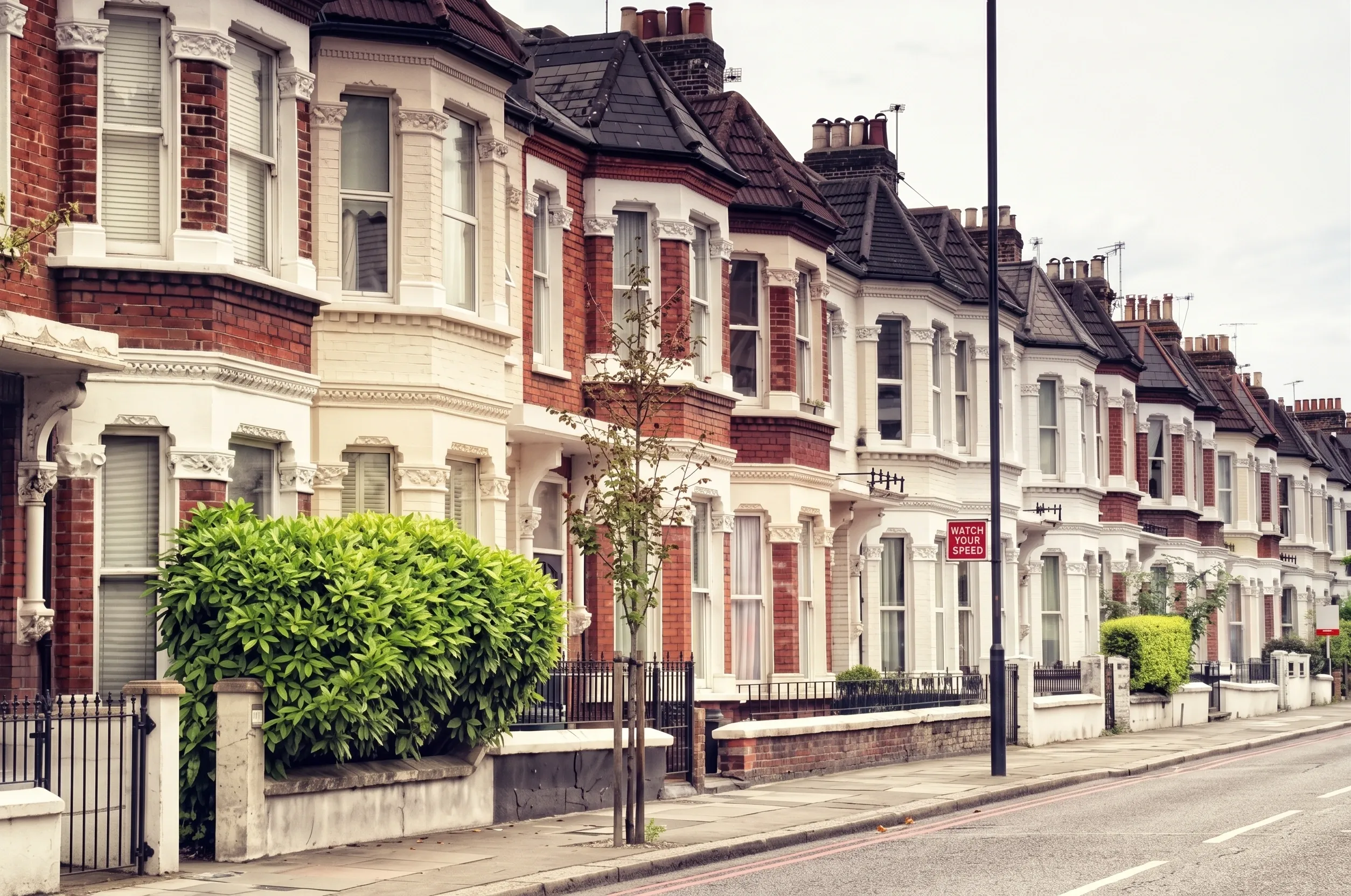
Wandsworth has the lowest Band D council tax in England at £1,020.35. Trains to Waterloo, the common, and what a Victorian maisonette really means.
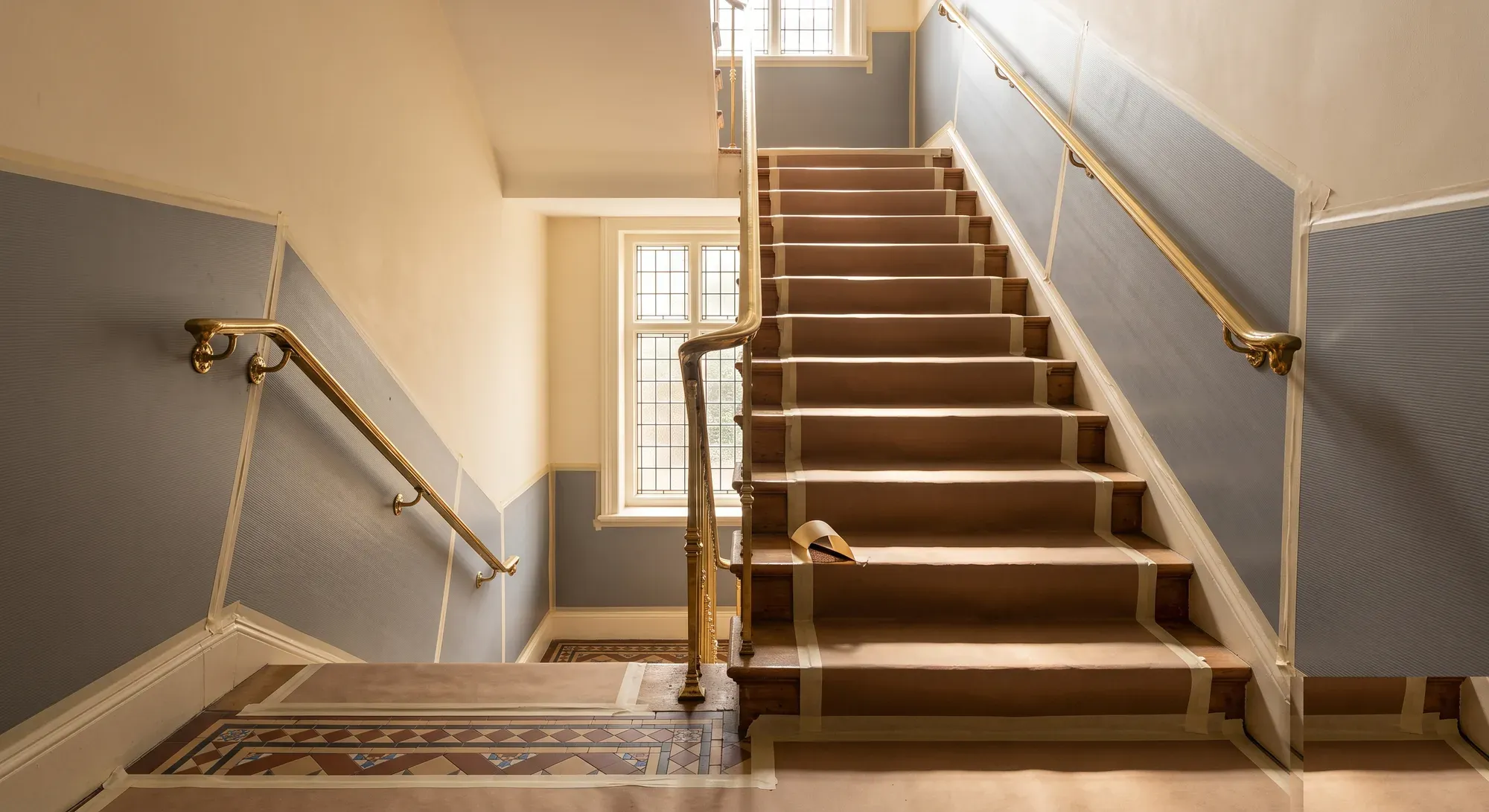
Flats have no permitted development rights, a freeholder whose consent has no deadline, and party structures overhead. The three consent regimes and how to sequence them.
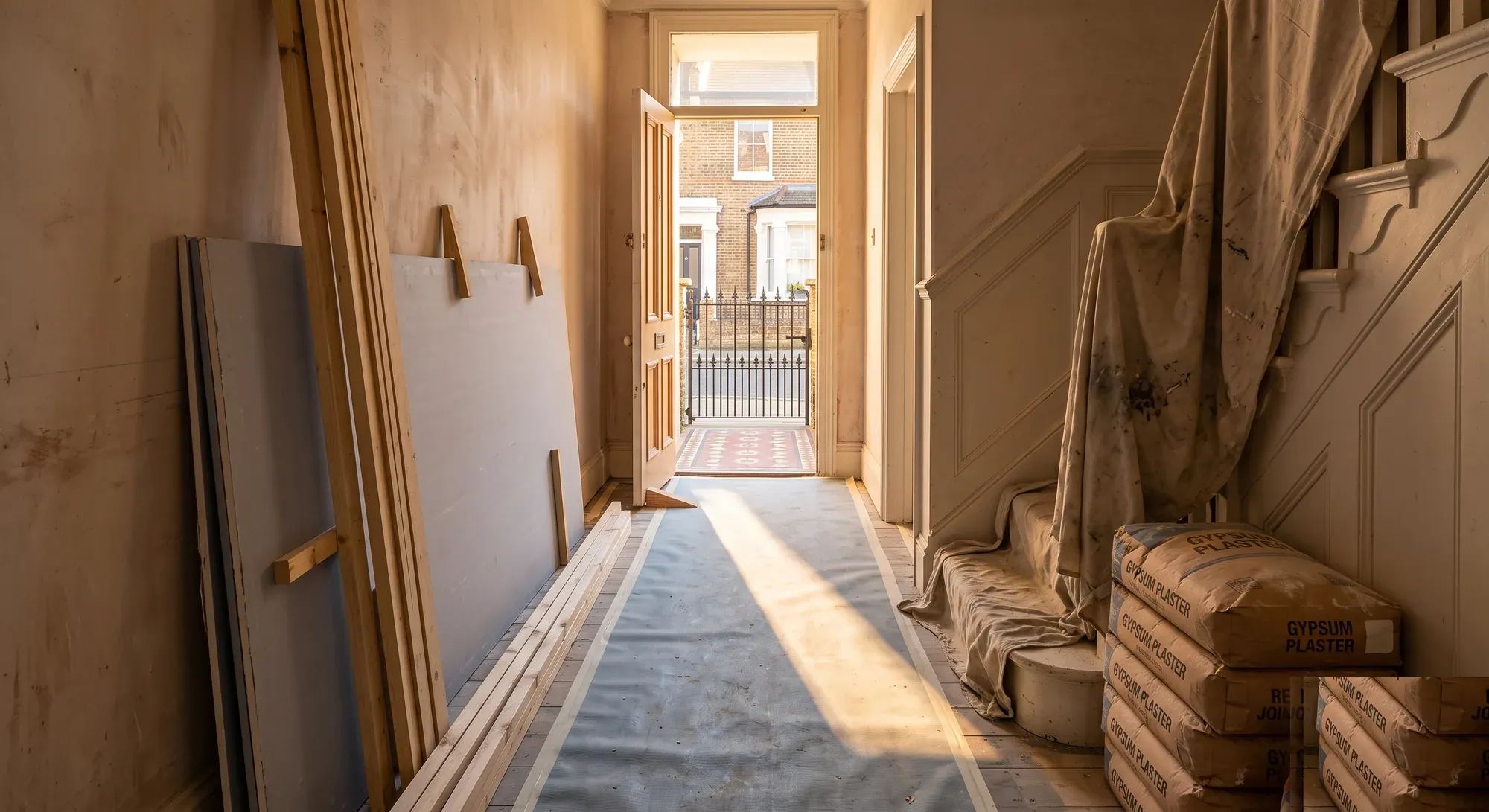
Permitted development rights removed, party walls on both sides, nowhere to put a skip and borough charges that vary fourfold. What actually differs about renovating in London.