
The cost of a side extension in the UK: Your complete 2026 guide
If you've been eyeing that narrow strip of land running down the side of your house and wondering if there’s something you could do with it, you're absolutely right.
Side extensions are one of the smartest ways to add valuable living space without sacrificing your garden or moving house, which, let's be honest, sounds about as appealing as root canal treatment right now.
But here's the question everyone asks first: how much will it actually cost?
The answer, frustratingly, is that it depends. But stick with us, because we're about to break down exactly what you'll pay, what affects the price, and whether it's worth the investment.
Spoiler alert: it usually is!
What is a side extension?
A side extension uses that awkward alleyway space that runs down the side of your property, usually found on Victorian and Edwardian terraced houses. It's normally a small, wasted strip of land that's perfect for transforming the rear of your home without using much of your garden.
These narrow passages were originally designed to provide access to outdoor WCs, but today they're prime real estate just waiting to be converted into actual living space. A side return extension can transform a small kitchen into a large open-plan area, since they’re often combined with a rear extension to create a wraparound.
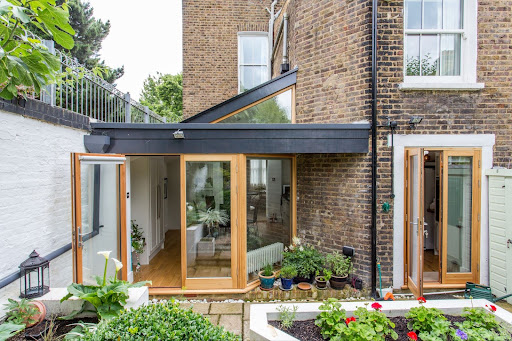
Average cost of a side extension in the UK
The average side extension costs around £30,000 to build, with projects typically taking approximately 12 weeks to complete [1].
But that's quite a broad brush, so let's break it down properly.
Cost per square metre
The average single-storey side extension cost per square metre ranges from £1,200-£1,400 for a basic fit-out, £1,500-£1,800 per square metre for medium quality, and £1,700-£2,100 per square metre for high specification [2].
House side extensions cost between £1,800-£3,000 per square metre outside London [3], whilst side extensions typically cost around £2,000-£4,000 per square metre depending on finish quality [4].
How much does a single-storey side extension cost?
A single-storey extension is the simplest and most common option. Starting prices are around £30,000 and go up as far as £50,000, depending on the chosen dimensions [5].
For specific sizes:
- Small extension (15m²): £15,000-£25,000 [6]
- Medium extension (20m²): £40,000-£56,000 [3]
- Larger extension (30m²): £60,000-£84,000 [3]
For a single-storey side extension measuring 5m x 4m (20m²), materials alone cost around £20,000, increasing to around £23,000 if you add a bathroom [6].
How much does a double-storey side extension cost?
A two-storey extension is more expensive and complicated than a single-storey extension. Starting prices are around £45,000 and range up to £60,000, depending on dimensions [5].
For a small double-storey side extension, materials alone cost around £30,000, increasing to around £33,000 if you add a bathroom [5].
The average cost of a house extension ranges between £108,000 and £180,000 for two storeys [3], though this includes all extension types, not just side extensions.
What affects the cost of your side extension?
Understanding what drives costs helps you make informed decisions and spot where you might save (or splurge).
Size and complexity
Bigger extensions cost more, that's obvious. But design complexity matters too. A simple rectangular extension with a flat roof costs considerably less than an L-shaped extension with vaulted ceilings and skylights.
Interestingly, whilst a two-storey extension costs more overall, the price per square metre often works out more cost-effective than a single-storey extension because fixed costs (like foundations and scaffolding) are spread across more usable space.
Quality of finish
Your choice of finish is probably the biggest cost variable after size. There are typically three quality levels:
Basic finish (£1,200-£1,400/m²)
- Single-wall layer with simple materials
- Flat roof
- Minimal insulation
- Usually completed within 12 weeks
- Often costs no more than £30,000 for a single-storey extension [6]
Medium finish (£1,500-£1,800/m²)
- Double wall layer (cavity wall)
- Good quality materials
- Pitched or flat roof options
- Better energy efficiency
Premium finish (£1,700-£2,100/m²)
- High-spec materials throughout
- Bespoke design elements
- Maximum energy efficiency
- Luxury fixtures and fittings
Location and accessibility
Where you live affects both labour costs and logistics. Labour costs tend to be above average in the Southeast of England and below average in northern England, Scotland, and Northern Ireland [8].
Type of extension
Side return extension: Uses the narrow alleyway typical of Victorian terraces. These often cost more per square metre due to working in tight spaces and connecting to existing structures.
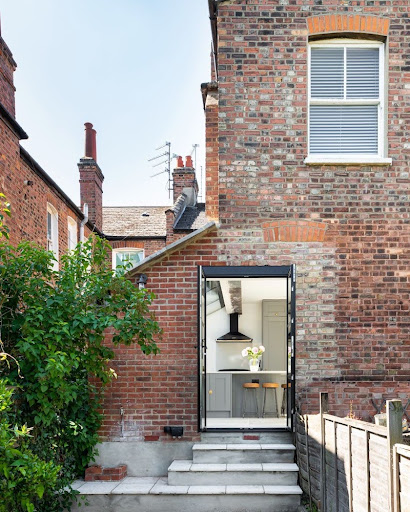
Glass extension: More expensive than traditional brick extensions due to added complexity. The average cost for a glass side return extension is approximately £3,000 per square metre [9].
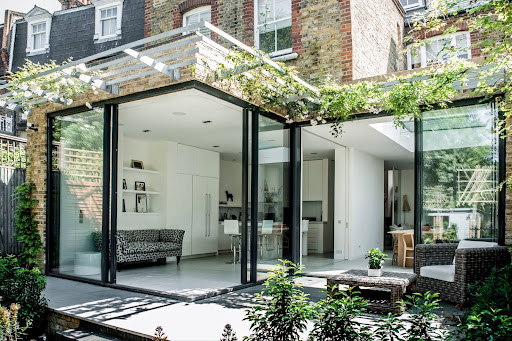
Side kitchen extension: For the extension itself, budget around £37,500, then add £9,500 for a new kitchen installation, totalling approximately £47,000 [9]. If you're thinking about kitchen costs generally, our guide on how much a kitchen renovation costs breaks down the numbers in detail.
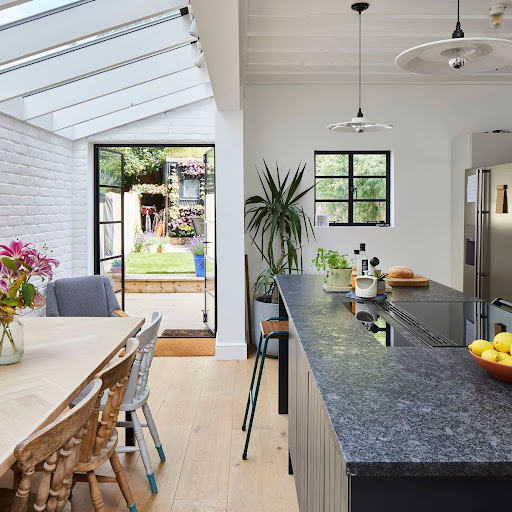
Hidden costs everyone seems to forget
The builder's quote is just the beginning. Here's what else you need to budget for:
Professional fees
- Architect fees: 3%-7% of construction costs
- Structural engineer: £500-£1,000
- Party wall surveyor: £700-£1,000 per neighbour if there's a dispute
- Project manager: 4%-7% of build costs
- CCTV drainage surveyor: £250-£350 for building regulations compliance
Statutory costs
- Planning permission
- Building regulations approval
- Party Wall Notice (Required if building within 3 metres of a shared boundary)
Structural work
Minor structural work costs £3,000-£7,000. Moderate work runs £7,000-£15,000. Major structural work (substantial underpinning, complex steel frameworks) can cost £15,000-£35,000+ [7].
VAT
Don't forget: both labour and materials are subject to 20% VAT! [10]. This can add a substantial amount to your final bill, though there are exceptions for listed buildings and properties vacant for two years [10].
Can you live in your house during the build?
Yes, most homeowners stay put during side extension builds. The work happens at the side and often rear of your property, so while there will be noise, dust, and inevitable disruption, it's generally manageable.
The messiest phases are foundation work and structural changes (2-3 weeks), roof tie-in and weatherproofing (1-2 weeks), and first fix plumbing and electrics (1 week).
Expect to develop a newfound appreciation for earplugs, dust sheets, and takeaway menus.
Beams Renovation can help
A side extension comes with plenty to juggle. Structural engineers, party wall matters, building regulations, contractor schedules. It adds up fast.
Beams Renovation helps you plan and prepare your side extension with confidence. We support the early stages, from shaping the design to recommending trusted professionals, including architectural engineers. That is how extension projects with Beams begin. Your builder remains responsible for managing the project and delivering the build.
We can point you towards the right expertise, but you or your builder are responsible for securing any required permits, approvals, and sign-offs.
Whether you’re extending to create a larger kitchen, add a dining area, or gain flexible living space, we’re here to help you make informed decisions early on. If you want straightforward guidance without sales pressure, get in touch for a no-obligation consultation.
If you're considering a side extension and want expert guidance without the sales pressure, get in touch with our team for a no-obligation consultation.
Ready to start your project?
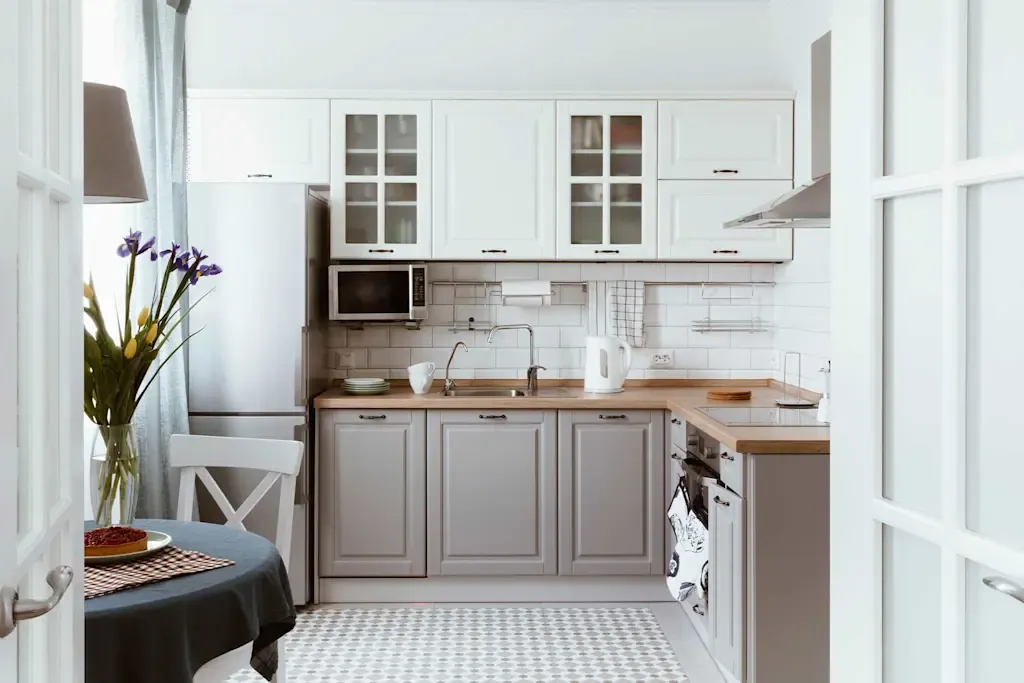
A UK kitchen renovation costs £30,000 to £40,000 inc VAT, typically £34,400. Cost by layout and size, plus the VAT reliefs most people miss.
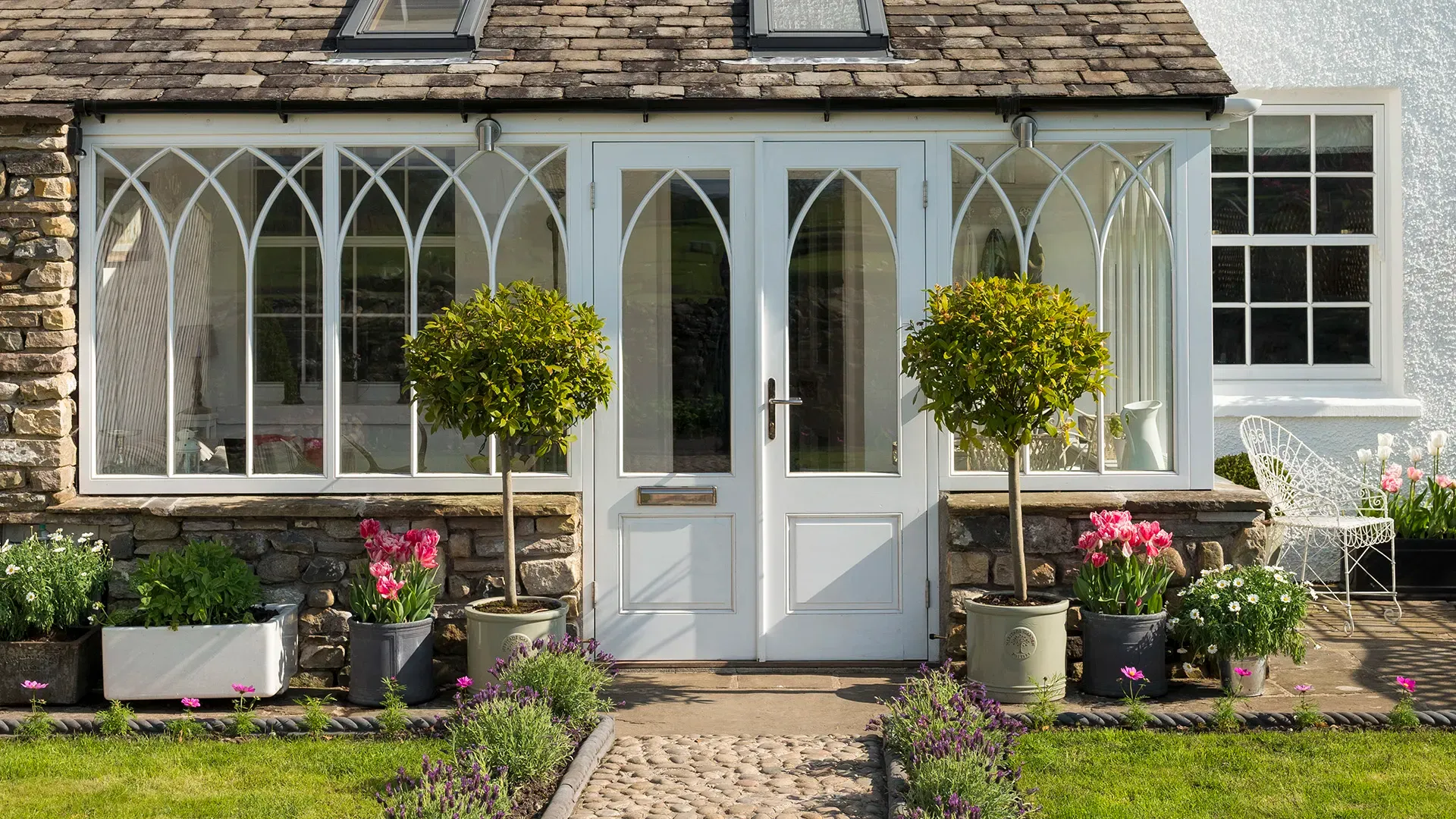
Ten front porch extension ideas for UK homes, from brick to full glazing, with what each costs and when you need planning permission.
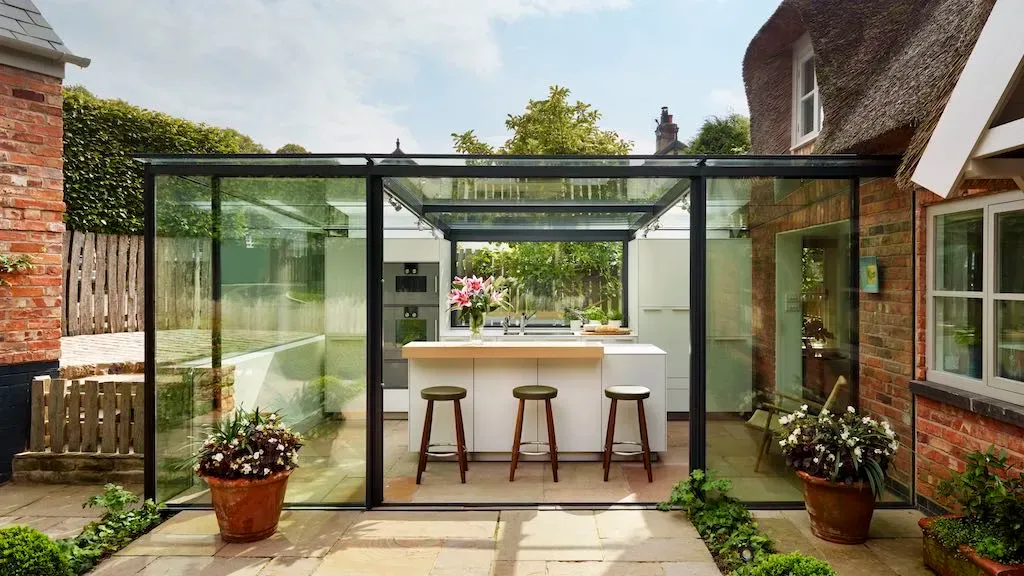
Ten small kitchen extension ideas for UK homes, from side returns and glass roofs to built-in seating, with what each one realistically costs.
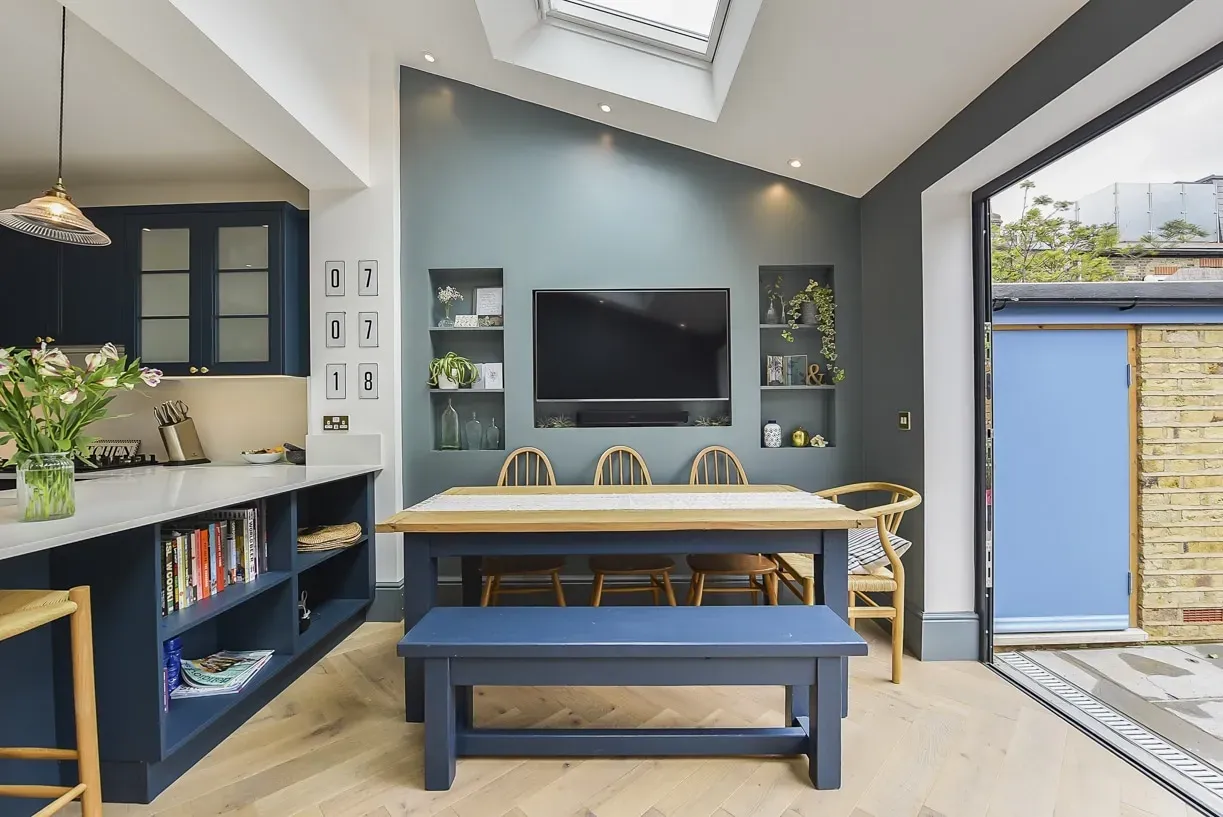
A 20m² kitchen extension costs £71,400 to £103,000 inc VAT, £90,400 to £144,000 in London. The build and the kitchen priced separately.