
How much will my renovation cost in the UK (2026 guide and cost calculator)


The average cost of renovating a home in the UK falls between £1,200 and £2,800 per square metre, depending on the scope of work, location, and quality of finish. It’s a big range and the true cost can vary widely based on the type of property and the decisions you make along the way.
Planning your renovation doesn't have to be daunting. Whether you are giving your kitchen a fresh look, modernising a Victorian house, or taking on a full refurb, understanding how renovation costs work will help you plan more confidently.
This guide will give you a full picture of renovation pricing in the UK in 2026. We will look at typical costs by room, region, and specification, as well as the practical factors that can drive costs up or help bring them down. If you want to stay on budget and avoid surprises, this renovation cost guide is for you.
Bonus: use the calculator below for an instant estimate in just a few clicks.
What is the average cost of a house renovation in the UK (2026)?
The typical cost of renovating a house in the UK in 2026 ranges from £1,200 to £2,800 per square metre, depending on how high-spec your project is and where you live.
For a 100 m² house, that's £120,000 to £280,000. Most full renovation mid-range projects land around £180,000.
Understanding the cost per square metre
Renovation cost doesn’t come at a flat rate. It changes depending on what interior style you are after, quality of finish, and how complex the job is. Here’s a simplified guide based on current 2026 figures:
Specification | Average Cost per m² | Example Total (100 m²) |
|---|---|---|
Basic | £1,200 | £120,000 |
Mid-range | £1,800 | £180,000 |
High-end | £2,400–£2,800 | £240,000–£280,000 |
Sources: BuildPartner, Checkatrade, project data across the UK
Factors that affect renovation cost
A few key things will shift you up or down the price scale:
- Property type – Flats and terraces can be more expensive per square metre due to space and layout constraints.
- Project scope – Simple redecoration is cheaper than structural work like taking down walls or installing underfloor heating.
- Location – Expect higher costs in London and the South East - often by 30% or more.
- Materials and labour – costs can vary significantly depending on the quality of labour and materials used.
How renovation specification affects cost
The quality of materials and finishes you choose has a huge impact on your overall renovation budget. Understanding the different specification levels helps you plan your project more effectively.
Level 1: Basic
Basic specification materials are budget-friendly and reasonably reliable. Brands like Leyland, Everest, and Wickes fall into this category. These are cost-effective options, but keep in mind that you may need a refresh sooner than if you used materials that are a bit more expensive. This specification level is suitable for rental properties, first-time renovations, or projects with strict budget limitations.
Level 2: Standard
Standard specification materials offer a good balance between quality and cost. These mid-range products offer both durability and aesthetic appeal. Brands such as Dulux, Hamilton, and Slim Line fall into this category. This specification level suits most homes and is the most common choice for UK renovations. Solid quality - no excessive costs.
Level 3: Premium
Premium specification materials are the most expensive, high-quality, and visually appealing. Luxury brands like Farrow & Ball, Fine Line, and Siemens fall into this category and are ideal for premium projects where you need the highest quality. Premium materials do need a large investment, but they tend to deliver better results and add value to your property.
Beams cost estimates by project scope
The figures above are market rates per square metre. Here is a different cut: what Beams estimated for real projects between January and July 2026, grouped by how many rooms were in scope. Room count is not the same as floor area, but it is what we hold, and it maps more closely to how people describe a project when they first get in touch.
Scope | Typical cost (inc VAT) | Projects |
|---|---|---|
One bathroom | £17,215 | 3,397 |
One kitchen | £36,619 | 1,461 |
Kitchen and bathroom | £54,258 | 1,132 |
Four to five rooms | £66,531 | 711 |
Six to eight rooms | £79,138 | 581 |
Nine or more rooms | £112,557 | 209 |
All figures include VAT at 20% and cover the whole project: materials at retail price plus the construction work. They are medians rather than averages, across 7,491 projects, because a handful of very large jobs would otherwise distort the picture. The kitchen line is where most people start, and our guide to what a kitchen renovation costs breaks that figure down by layout and by component.
Look at the third row against the first two. A kitchen and a bathroom together come to £54,258, while the two done on their own add up to £53,834. Those are different sets of projects rather than the same job priced two ways, so treat the £424 gap as noise rather than a finding. What it does suggest is that combining the two buys you no obvious discount, which runs against the usual assumption that doing everything at once is cheaper. If you are weighing up whether to phase, the cost of phasing is a second round of disruption rather than a price premium.
Two things to hold in mind when reading the table. These bands count rooms in scope rather than floor area or bedrooms, so a nine-room project is a substantial refurbishment rather than necessarily a full structural rebuild with new heating and rewiring throughout. That is why the top band sits below the per-square-metre figures above: those describe a whole house stripped back, and most of our projects are not that. Bathrooms also behave differently from every other room, and our bathroom renovation cost guide explains why their labour share is so much higher than a kitchen's.
What each room typically costs to renovate
Some rooms cost more than others and the cost can vary significantly. On average, you can expect to pay between £4,000 and £30,000 per room, depending on its size, purpose, and level of finish. If your rooms need stripping back to bare walls first, our guide to plastering costs room by room breaks that element down.
Take a look at the breakdown below:
Room | Typical Cost Range | Notes |
|---|---|---|
Kitchen | £10,000 – £25,000 | Includes units, appliances, plumbing, and electrics |
Bathroom | £6,000 – £15,000 | Depends on size, layout changes, tiling quality |
Living Room | £4,000 – £12,000 | Plastering, flooring, built-in storage, lighting |
Bedroom | £4,000 – £10,000 | Simple redecoration or structural layout change |
Hallways & Stairs | £3,000 – £7,000 | Flooring, lighting, bannister work, redecoration |
Loft Conversion | £25,000 – £60,000+ | Includes structural work, insulation, stair access |
Basement Conversion | £35,000 – £90,000+ | Dig-out, tanking, lighting and access, all complex labour |
Sources: BuildPartner, Checkatrade, and project data from recent UK renovations.
How much structural changes cost
Type of work | What it typically includes | Cost |
|---|---|---|
Non-load bearing wall removal |
| £500 - £1,500 |
Load-bearing wall removal |
| £1,800 - £3,500 |
Complex structural alterations |
| £3,500 - £6,000+ |
Other renovation costs to know about
Heating and electrical:
- Central heating system (3-bed house): £2,300 - £5,500
- Boiler replacement: £1,500 - £3,500
- Complete rewiring (3-bed house): £3,000 - £5,000
- Fuse box replacement: £1,000 - £1,200
External works:
- Roof replacement: £5,500 - £16,300
- External wall insulation (terraced): £8,000 - £12,000
- External wall insulation (semi-detached): £12,000 - £18,000
Which room should I renovate first?
If you’re a first-time renovator and budget’s tight, phasing your renovation could be a good idea. Start with your kitchen and bathroom:
- They add the most value to your property
- They affect your daily life the most
- Renovation in these spaces is the most disruptive - best get it done early
- Kitchen and bathroom set the tone for your full renovation specification level
Kitchen renovation cost ranges
Specification | Cost Range | Typically includes |
|---|---|---|
Basic | £10,000-£20,000 |
|
Standard | £20,000-£30,000 |
|
Premium | £30,000-£50,000+ |
|
Bathroom renovation cost ranges
Specification | Cost Range | Typically includes |
|---|---|---|
Basic | £3,000-£5,000 |
|
Standard | £5,000-£10,000 |
|
Premium | £10,000-£20,000+ |
|
Things that affect room-specific costs
Kitchens and bathrooms tend to cost more to renovate, because they require more specialist labour and material. This includes things like:
- Multiple trades (plumbing, electrics, tiling, carpentry)
- High-value materials (appliances, fixtures, fittings)
- Regulations (building control, ventilation, gas safety)
Bedrooms tend to be cheaper unless you're moving walls, creating en‑suites, or adding storage. Living rooms sit somewhere in the middle, and are straightforward to renovate. They tend to get more expensive if you want built-in cabinetry, fireplace or smart home technology installation. Layout changes are a different matter, because removing internal walls brings structural work into the job.
How location affects renovation costs across the UK
Renovation costs in the UK can vary by as much as 30 to 40 percent depending on where you live, with renovating in London and the South East at the top end of the price spectrum, and regions like the North East and Wales often offering more affordable rates.
Regional price differences at a glance
The table below shows how costs per square metre compare across the UK in 2026, based on recent market averages:
Region | Average Cost per m² | Notes |
|---|---|---|
London & South East | £2,000 – £2,800 | Highest labour costs and demand |
South West | £1,700 – £2,500 | Strong market in rural and heritage work |
Midlands | £1,400 – £2,200 | Mid-range with good contractor supply |
North West | £1,300 – £2,000 | Slightly more affordable than Midlands |
North East | £1,200 – £1,900 | Often the lowest prices in England |
Scotland | £1,300 – £2,100 | Depends heavily on access and location |
Wales | £1,250 – £2,000 | Variable depending on rural vs urban |
Sources: BuildPartner 2024/25 estimates, RICS regionals, Checkatrade regional breakdowns.
How first-time renovators can save money
First-time renovators can reduce costs by making clever design choices, phasing their project, and avoiding common planning pitfalls.
Renovation isn’t cheap - but there are smart ways to stay on budget.
Practical ways to keep renovation costs under control
Lack of experience, rushed decisions, or simply trying to do too much at once are the most common reasons why renovation costs get out of hand. Here are a few strategies to help you save money without compromising the quality of your renovation project.
1. Watch out for “specification creep”
It’s easy to get drawn into high-spec Pinterest ideas. But every extra feature, from custom handles to underfloor heating, adds both cost and complexity. That doesn’t mean you should compromise on your dream outcome, just keep in mind that every little detail matters.
As a first-time renovator, remember: clean, well-finished, and functional spaces tend to work the best.
2. Start with a clear plan
Changing your mind mid-build is expensive. For example, a delay in choosing bathroom tiles can hold up trades and push costs up across the board. Our guide to comparing renovation quotes can help you lock in decisions early.
3. Use standard sizes and materials
Custom features drive up both labour and materials. Opting for standard door heights, tile dimensions, and off-the-shelf cabinetry will save you a lot of money.
4. Use one contractor for multiple tasks
Hiring a general contractor or design-and-build team often brings down the cost of renovation. Having multiple trades might seem cheaper, but mistakes and miscommunication between contractors can cost more in the long run.
5. Set aside a contingency budget
Budgeting for a full-house renovation means breaking down costs into clear categories, setting realistic allowances, and building in a contingency of at least 10 to 15 percent.
A detailed budget gives you control over your spending and helps prevent last-minute financial surprises. Going without contingency is one of the biggest renovation risks.
Costs that are easy to miss
Too many first-time renovators focus only on building costs. But there are other essentials to include. Make sure you account for these categories in your budget:
- Planning and building control fees
- Fees and VAT
- Skip hire and site clearance
- Insurance for renovation works
- Temporary accommodation if the home becomes unliveable
- Snagging and remedial works after completion
Do you pay VAT on renovation work?
Usually 20%, on labour and on the materials your builder supplies. Two reliefs genuinely exist, and on a whole-house project both are worth real money.
Empty for two years or more. If the property has not been lived in for the two years before work starts, renovation qualifies for a reduced 5% rate. HMRC's guidance says a letter from your local authority's Empty Property Officer confirming two years empty is normally enough on its own. Occasional use disqualifies it, so a second home that has been visited will not count. There is a second route as well: if the property stood empty for two years before you bought it, no renovation happened in that window, and the work is done within a year of you acquiring it, the 5% rate can still apply, but only where the builder contracts directly with you rather than working as a subcontractor.
Changing the number of dwellings. Converting a house into flats, or two flats back into a single house, qualifies for 5% on the work that relates to the change. Converting a single home into a single home does not qualify, and most granny annexes are excluded.
On any reduced-rate job, that rate covers materials your builder supplies. Buy the same materials yourself and you pay 20% on them with no mechanism to reclaim the difference, because the DIY reclaim scheme covers new builds and conversions rather than the renovation of an empty home. Across a whole house, that gap runs into thousands.
Raise it before the quote rather than after. A builder who has priced the job at 20% will not retro-apply the lower rate, and the evidence needs to be in place before work starts.
Frequently Asked Questions
1. Do you need planning permission for a renovation in the UK?
Not always. Internal renovations typically don’t need planning permission, but structural changes, extensions, or altering the building’s appearance often do, so it is worth knowing what a planning application costs before you commit. You will need planning permission if:
- Your property is listed
- You live in a conservation area and the work affects the building's character
- You're making significant structural changes that alter the external appearance
- You're adding an extension that exceeds permitted development rights
Building regulations approval is always required for structural changes, regardless of planning requirements.
2. Do you need a project manager for a house renovation?
Not necessarily. A project manager is useful for coordinating trades and timelines, especially on large or complex renovations. If you're confident and well-organised, you may manage it yourself, but it comes with risks.
3. Should I move out during a renovation?
This depends on the extent of the work and your personal circumstances. Factors like dust, noise, lack of essential facilities, safety, and the overall disruption to daily life can be overwhelming. So, if you are renovating a whole house, getting temporary accommodation is a wise idea.
4. Do home renovations add value in 2026?
Yes. Kitchens, bathrooms, and loft conversions can significantly increase property value. However, keep in mind that poorly executed or over-personalised renovations may not deliver a return. If you're renovating with a view to sell - make sure to appeal to a variety of tastes.
5. Why do renovation costs vary so much across the UK?
Costs reflect local labour rates, supply chain logistics, property types, and regional demand. London and the South East are most expensive, while the North East and Wales tend to be more affordable.
6. Why should first-timers consider renovating room by room?
It tends to be cheaper in the short term, comes with less disruption, and gives you time to make informed decisions at your own pace. While it can cost slightly more in the long run, it’s often more manageable and less stressful for first-time renovators.
Every renovation is different. Let's work out yours
Answer a few questions about your project and we'll give you a realistic range. No commitment, no sales pressure.
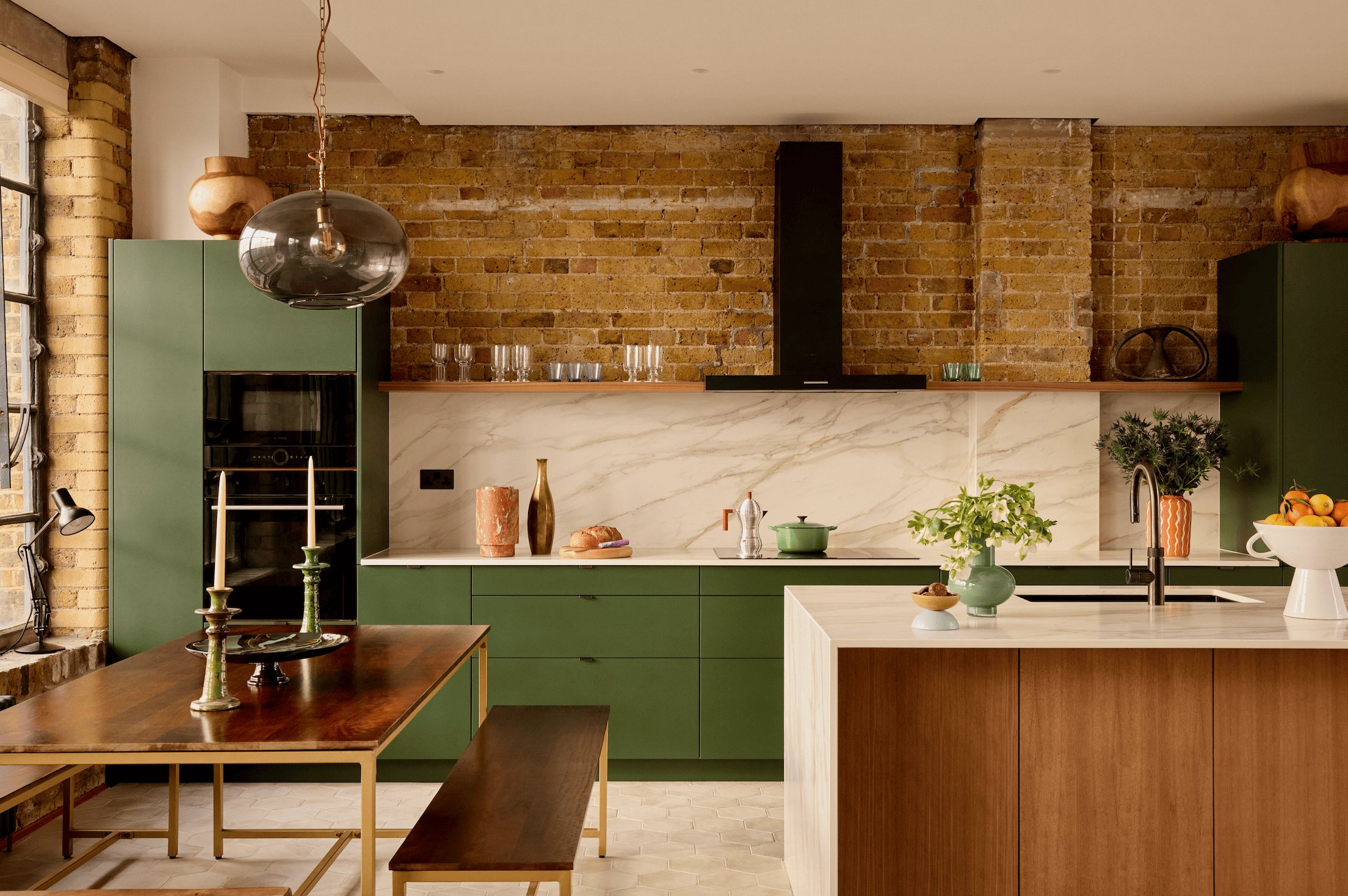
How to compare renovation quotes from contractors. What to check, hidden costs, payment terms. Get the best value for your kitchen or bathroom renovation.
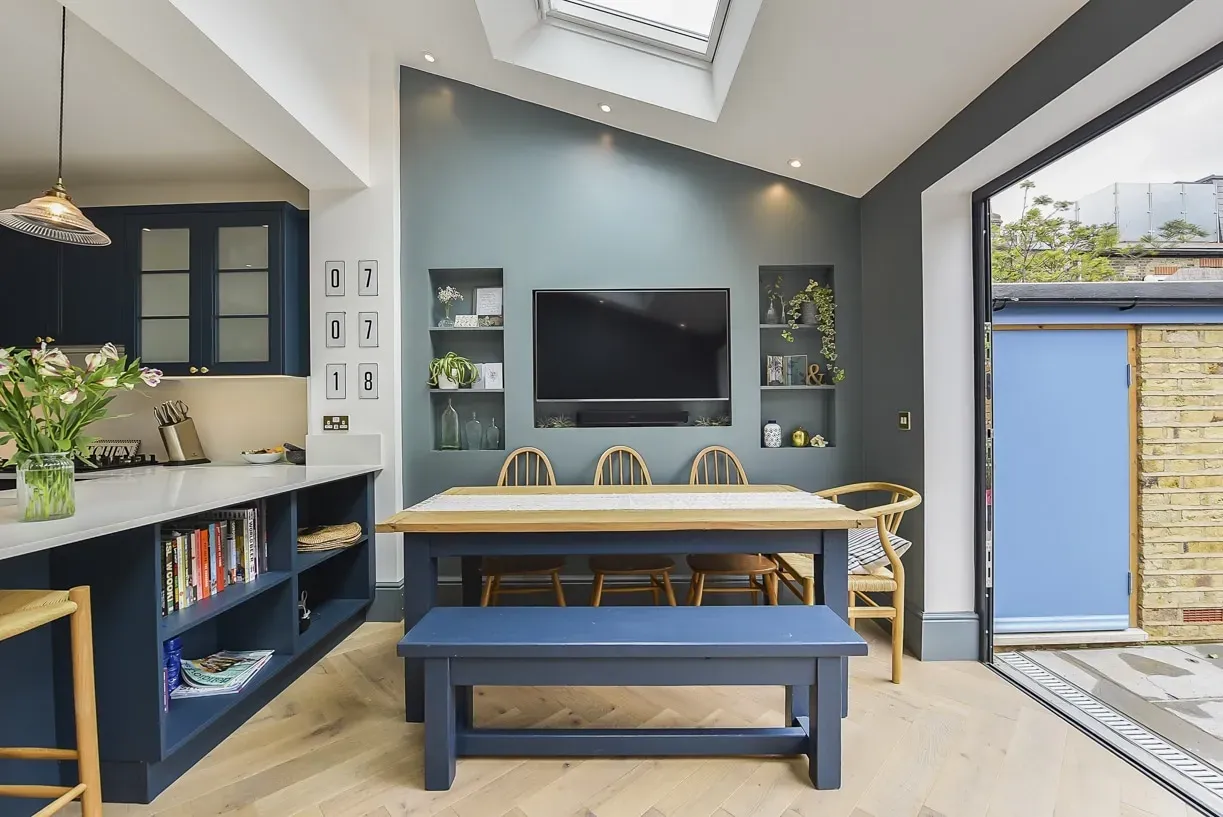
A 20m² kitchen extension costs £71,400 to £103,000 inc VAT, £90,400 to £144,000 in London. The build and the kitchen priced separately.
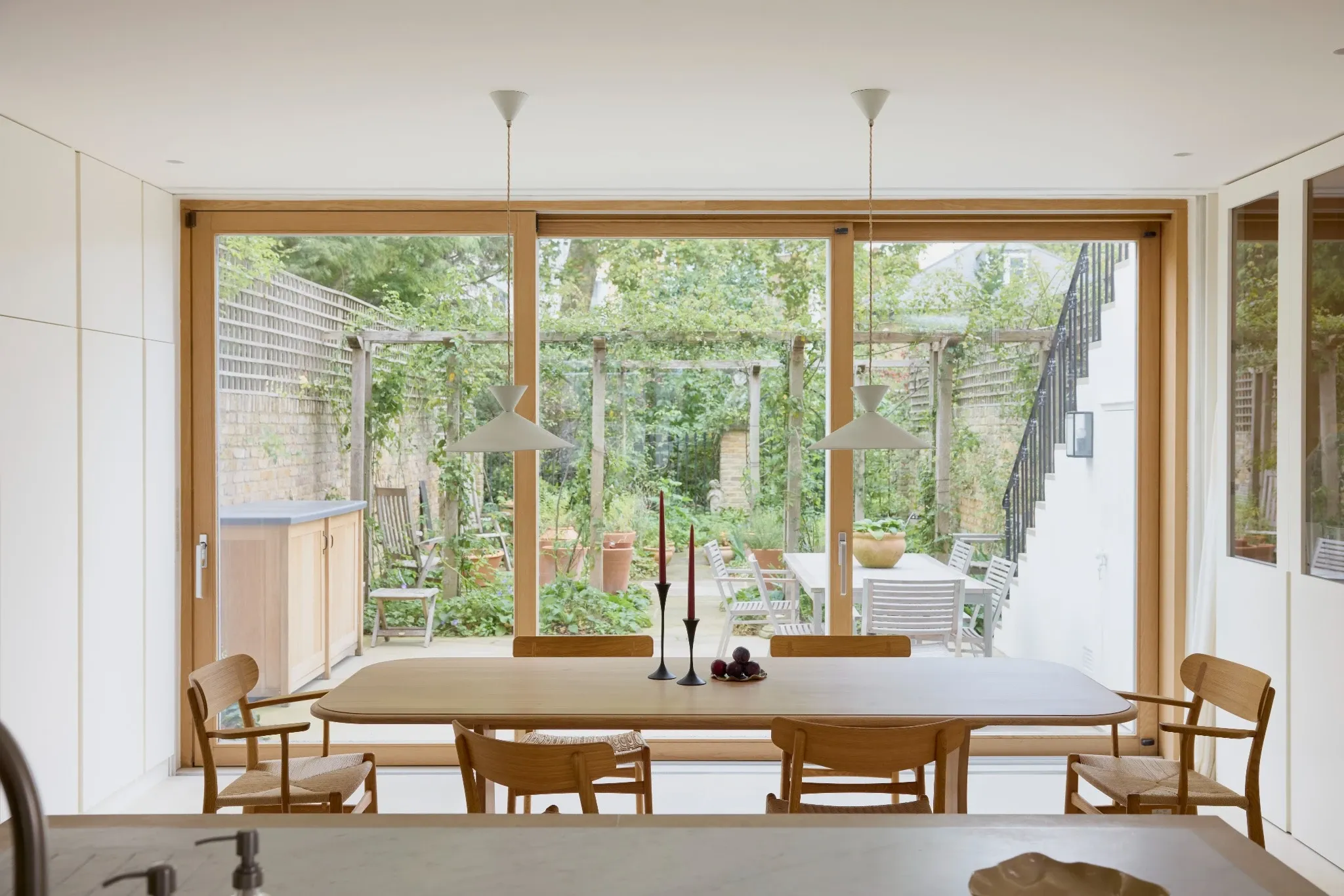
Avoid budget surprises. Hidden renovation costs including VAT, skip hire, structural issues, planning fees. How Beams fixed pricing protects you from unexpected expenses.

Control renovation costs effectively. Budget planning, cost tracking, avoiding overspend. How Beams fixed pricing helps manage your renovation budget.