
How long does a full house renovation take in the UK?

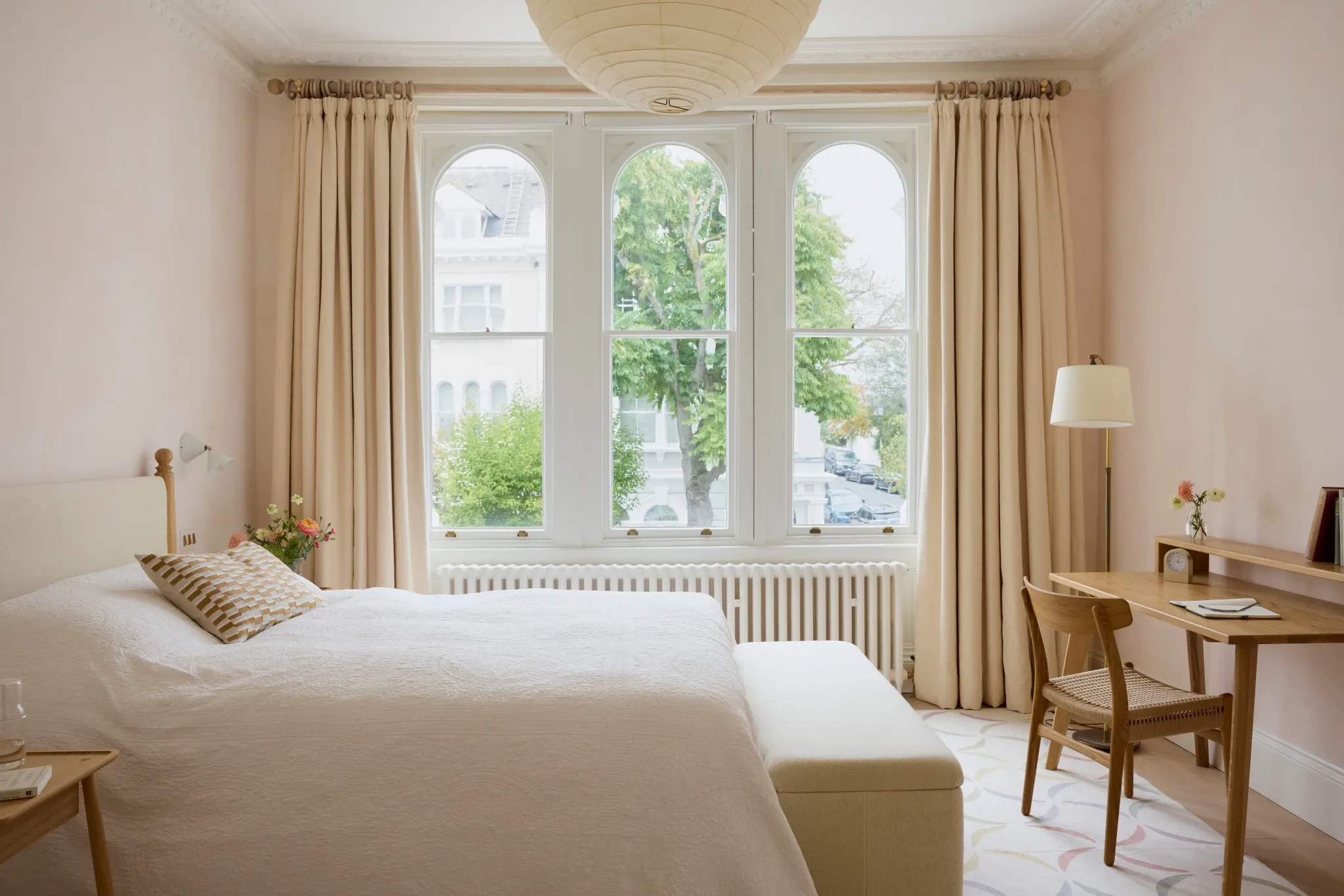
A full house renovation usually takes 6 to 12 months from the first design conversation to moving back in. The build itself is the shorter half, typically 3 to 6 months on site. Design, planning, approvals and choosing a builder take another 3 to 5 months before that, and this is where nearly all the variation lives.
Most people ask about the build. The build is the predictable part.
If you are renovating in London, our whole house renovation page explains how Beams handles the design, the pricing and the build as one project.
On-site build times by scope
These are on-site programme lengths, measured from the day your builder starts to the day you sign the work off. They assume the design is fixed, approvals are in hand and materials are ordered.
Scope | Typical on-site build |
|---|---|
One kitchen | 2 to 4 weeks |
One bathroom | 3 to 5 weeks |
Kitchen and bathroom together | 5 to 7 weeks |
Four to five rooms | 10 to 16 weeks |
Six to eight rooms | 16 to 22 weeks |
Nine or more rooms | 22 to 30 weeks |
Add a single-storey rear extension | Add 10 to 14 weeks |
Add a loft conversion | Add 4 to 12 weeks |
Add a basement | Add 6 weeks to 12 months |
Two things in that table are worth pausing on. A kitchen and a bathroom done separately would take 5 to 9 weeks. Done as one project they take 5 to 7. And nine rooms take roughly twice as long as four, not more than twice.
Why a whole house is not the sum of its rooms
Renovate one bathroom and the trade sequence runs once. Strip out, first fix plumbing, first fix electrics, board, waterproof, tile, fit, finish. Eight stages for one room, which is why our bathroom renovation timeline runs to 3 to 5 weeks for a single room.
Renovate a whole house and that sequence still runs once. Not once per room.
Your electrician first fixes the entire house in one visit. The plasterer works through every room in one stretch. The decorator comes in at the end and does the lot. Scaffolding goes up once. Waste goes out on one skip run rather than five.
So the arithmetic that feels obvious, five rooms at four weeks each equals twenty weeks, is wrong by a wide margin. The same scope inside one programme runs 10 to 16 weeks, because the trades overlap and each one visits once. A kitchen on its own is 2 to 4 weeks, but inside a whole house programme it barely shows as a separate stage.
This cuts the other way too. Because the trades are interlocked, a delay in one stage stops the whole house rather than one room. A late worktop template holds up the kitchen. A late structural calculation holds up everything.
Where the months actually go
The build is 3 to 6 months. The project is 6 to 12. Here is the other half.
Design and scope, 6 to 12 weeks. Deciding what you are actually building. Layouts, room by room specification, and the decisions that need making before anyone can price the work. Rushing this stage is the most expensive shortcut in renovation, because every undecided item becomes a change order later.
Planning, 0 to 16 weeks. If everything you are doing is internal, this is zero. Internal alterations to an unlisted house outside a conservation area do not need planning permission. If you are extending, the permitted development limits for a house decide whether you apply at all. A householder application has a statutory eight week target, and many London boroughs take 10 to 12 weeks in practice.
Building control, runs alongside. A full house renovation almost always needs it. Structural openings, new bathrooms, rewiring, insulation upgrades and stair alterations are all notifiable. Building regulations and planning permission are separate consents and one never covers the other. Building control rarely adds calendar time on its own, because it runs in parallel, but a structural engineer's calculations can sit on the critical path.
Pricing and choosing a builder, 4 to 8 weeks. Getting comparable quotes, site visits, and a contract signed. Good London builders are often booked 2 to 3 months ahead, so this stage frequently ends in a wait rather than a start.
Materials and lead times, 4 to 16 weeks, overlapping. Bespoke joinery, stone worktops, sliding doors and specialist glazing all have lead times that can outrun the build. These are ordered during the front end, not during the build, which is exactly why the front end matters.
What a whole house renovation timeline looks like on site
A whole house programme usually runs in this order. The stages overlap, so the durations do not add up to the total.
Set up and strip out, 1 to 2 weeks. Scaffolding, protection, skips, and removing everything that is not staying.
Structural work, 2 to 6 weeks. Steel beams, removing walls, forming new openings. Anything that changes how the building stands up happens first, and it is the stage most likely to reveal something nobody could see beforehand.
First fix, 3 to 5 weeks. Plumbing, electrics, heating and drainage across the whole house, plus new stud walls and floor structures. Nothing is visible at the end of this stage, which makes it feel slower than it is.
Plastering and drying out, 2 to 4 weeks. Boarding, skimming, and then waiting. Fresh plaster needs to dry before it can be decorated and this cannot be compressed. On a whole house it is usually two to three weeks of drying, and it is the most common point at which a programme quietly slips. Whether the walls are dry lined or wet plastered changes how much drying time you have to allow.
Second fix, 3 to 5 weeks. Kitchen and bathroom fitting, sockets and switches, radiators, internal doors, skirting and architrave.
Tiling, flooring and decorating, 3 to 5 weeks. The stage where the house starts looking finished.
Snagging and sign off, 1 to 2 weeks. Final checks, certificates, and the small list of things to put right. Building control completion and electrical certification land here.
The sequence is what makes the timeline. Individual stages rarely overrun badly. What causes real delay is a stage starting before the one before it finished properly.
What makes a renovation take longer
Living in the house while it happens. This is the biggest single factor. Trades work room by room instead of house-wide, which removes the overlap that makes a whole house programme efficient in the first place. Expect 20 to 30% more calendar time, sometimes more.
Period property surprises. Most London housing stock is Victorian or Edwardian. Lath and plaster, no damp proof course, undersized joists, and wiring from three different decades. These are common enough that a contingency for them is not pessimism, it is planning.
Late decisions. A decision made during the build costs more time than several made before it. This is the one variable entirely within your control.
Planning and conservation. A conservation area or an Article 4 direction can remove permitted development rights you assumed you had, and it can add months.
Party wall matters. Structural work near a shared wall needs notice served, and a dissenting neighbour means appointed surveyors and an award. Serve notice early.
Bespoke lead times. A 14 week kitchen ordered in week 10 of a 14 week build will not arrive in time.
Living in it or moving out
If the work is whole house, moving out is usually faster and often cheaper overall, even accounting for rent. The programme runs house-wide, trades are not working around your life, and there is no daily reset of dust sheets and tools.
If you are staying, phase it deliberately. Keep one working bathroom and one working kitchen at all times, and accept that the total will stretch. What does not work is staying without a phasing plan, because then every trade improvises and the sequence breaks.
Where these figures come from
The kitchen and bathroom durations match the figures in our own timeline guides for those rooms, both linked above. The extension, loft and basement additions come from our guides to each. The whole house bands are built from the trade sequence above rather than from a survey, so treat them as programme estimates and not as measured averages. The eight week householder target is statutory, and the London practice of 10 to 12 weeks is what we see rather than what the legislation says.
We hold cost data on 7,491 whole home projects, which is why our cost guidance is specific. We do not yet publish our own whole house duration figures, because our marketplace started booking builds in late 2025 and the long programmes have not all completed. Publishing an average now would be measuring the fast ones. We will publish the figures when the sample is honest.
How Beams helps
A whole house renovation is a scheduling problem more than a building problem. Most of the delay is decided before anyone picks up a tool.
So we fix the scope and the room by room specification first, get comparable quotes from vetted London builders against that same specification, and set the milestone plan before the build starts. Payments release against milestones you approve, and the workmanship is covered for 12 months. That is how a managed whole house renovation is meant to run.
Common questions about renovation timelines
How long does a full house renovation take?
Six to twelve months in total for most projects. The on-site build is 3 to 6 months, and design, planning, approvals and builder selection account for the rest.
What does a typical home renovation timeline look like?
Design and scope, then planning if you need it, then pricing and choosing a builder, then the build in seven stages from strip out to sign off. The front end is usually longer than the build.
How long does a whole house renovation take if I live in it?
Add 20 to 30% to the on-site programme. Trades work room by room instead of house-wide, which removes most of the efficiency of doing the whole house at once.
Can a full house renovation be done in three months?
On site, yes, for a smaller house with no structural work, no planning application and no bespoke lead times. Three months from first conversation to finished house is not realistic, because plaster still has to dry and builders still have to be available.
Does a full house renovation need planning permission?
Not usually, if the work is internal and the house is unlisted and outside a conservation area. Extending, altering the roof or changing the exterior is where planning comes in.
What is the slowest part of a house renovation?
The front end. Design and decision making, then waiting for a good builder to be free. On site, the honest answer is plaster drying, because it cannot be rushed and it holds up everything that follows.
How far ahead should I book a builder?
Two to three months for a good London builder, and longer for spring and summer starts.
Find out what your project will cost
Tell us what you are planning and we will get you up to three comparable quotes from vetted London builders, priced against the same specification.
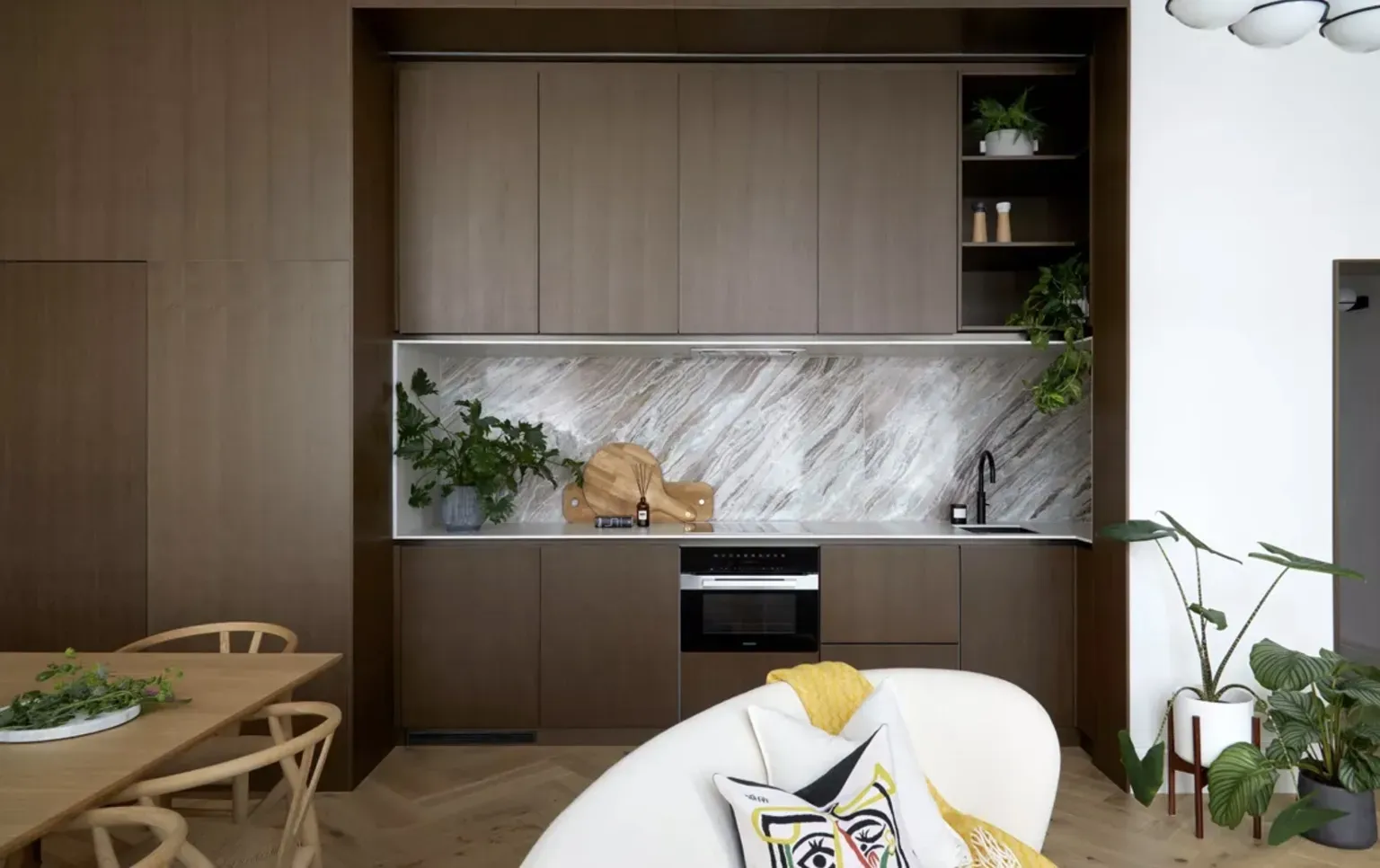
UK kitchen renovation timelines explained. Most projects take 2 to 4 weeks on site. What drives the schedule, common delays, and how to plan properly.
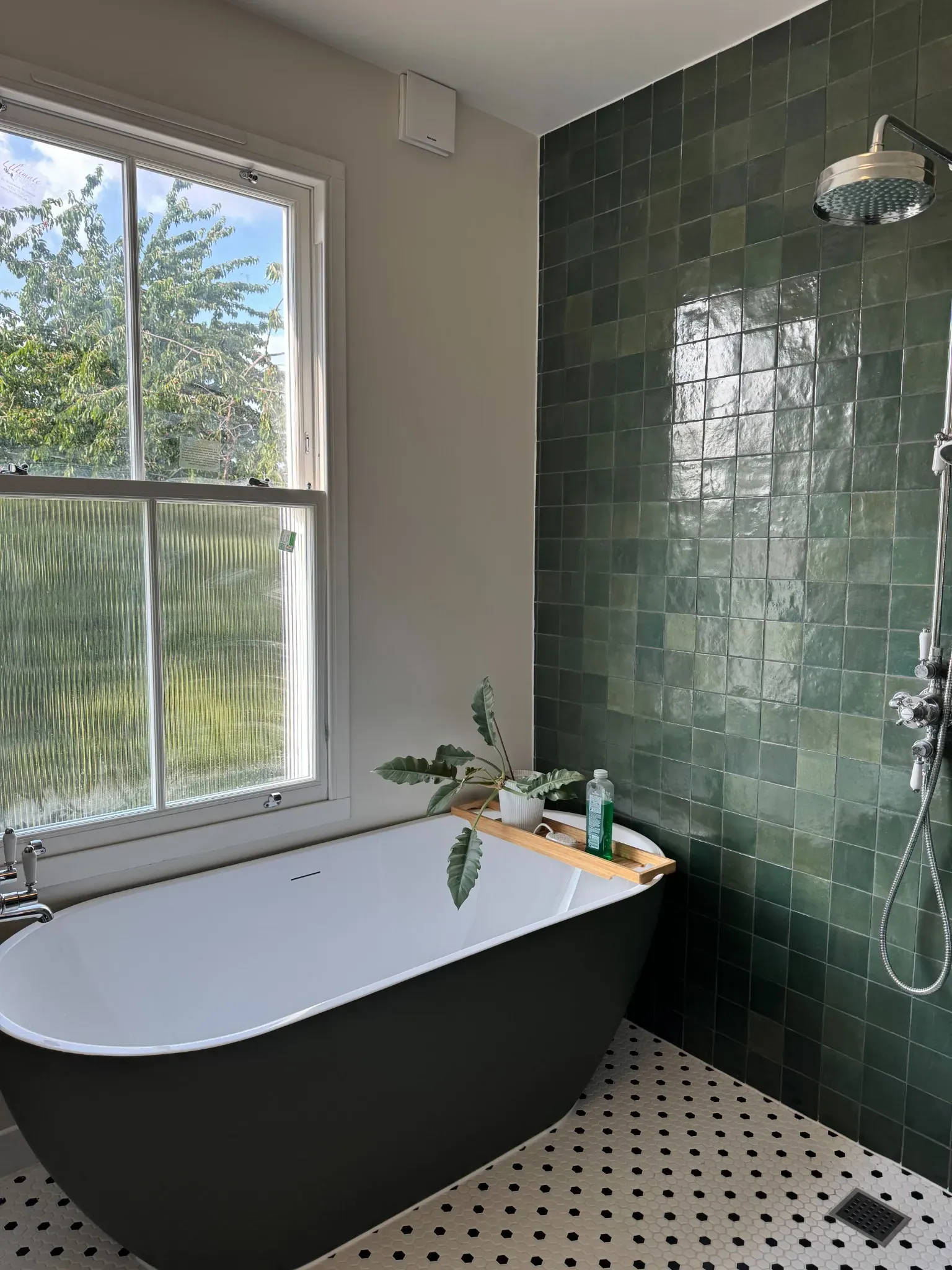
UK bathroom renovation timelines explained. Most projects take 3 to 5 weeks on site. What drives the schedule, common delays, and how to plan properly
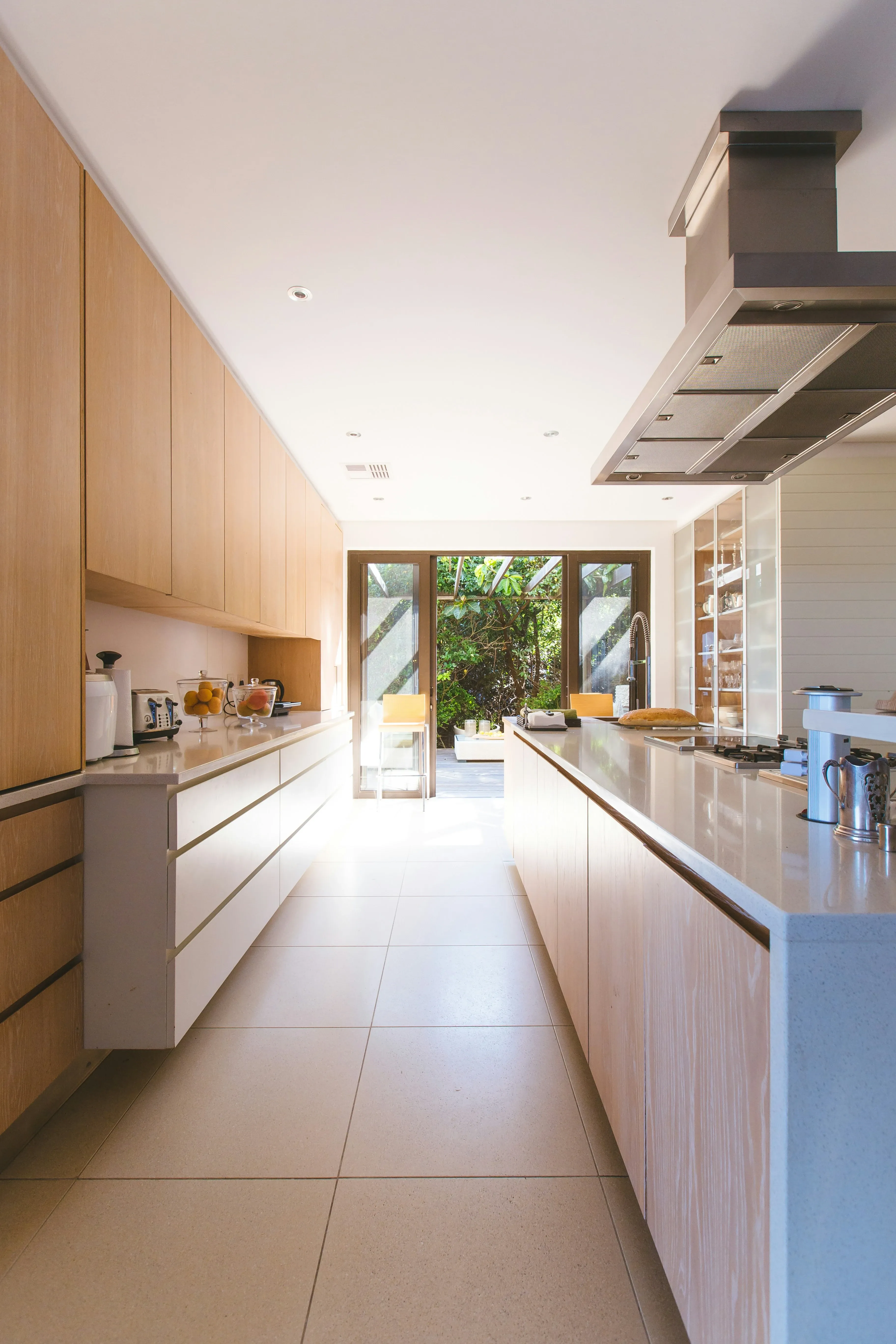
House extension timelines from first idea to finished space — design, planning, building regs and build time by type, plus what causes delays.

What a UK house renovation costs in 2026, room by room and per square metre, with a calculator to price your own project. Figures include VAT.