







The Beams team removed all the stress and matched me with a wonderful contractor.
Teresa
Queen's Park

On time and on budget. A real pleasure.
Eleanor
Stoke Newington
Completed our renovation project within budget and on time.
Evelyn
Bow East
London's replastering specialists
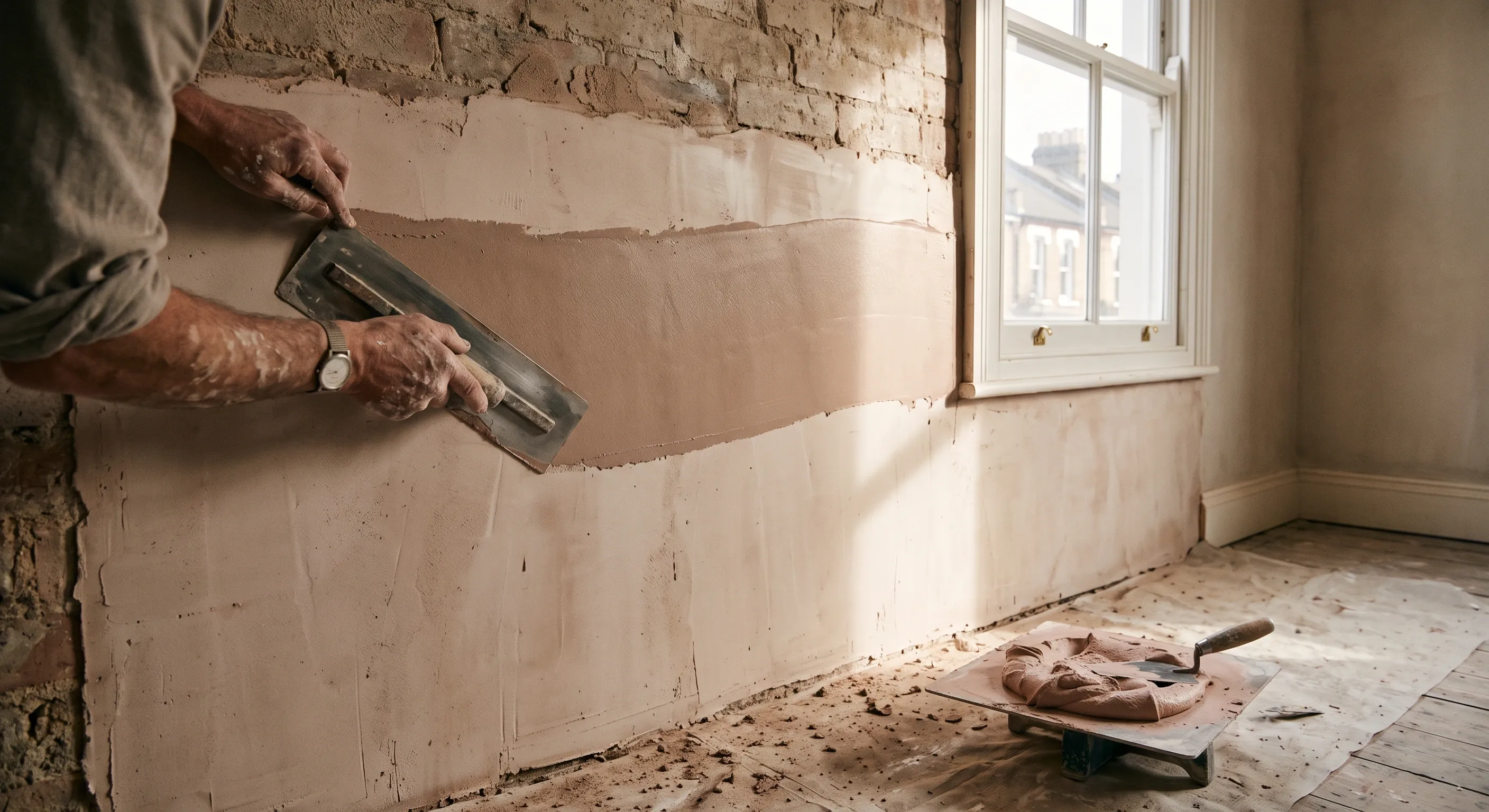
Replastering a house in London means deciding, wall by wall, between a skim over sound plaster, overboarding an uneven wall, and hacking back to brick where the plaster has blown or is damp. On solid pre-1920 walls the plaster type matters too, because gypsum traps moisture that lime lets out.
Two plastering quotes for the same house can differ by thousands, because one is skimming and one is hacking back to brick and neither says so. Beams writes the scope wall by wall, then up to three vetted London plasterers quote against it.

Skim or hack off, decided per wall
Not a single rate applied to the whole house.
Vetted plasterers
Personally vetted: visited in person, references checked, recent work inspected. You meet up to three before committing.
Fixed-price contracts
Milestone payments held securely until you approve each stage, plus a 12-month workmanship warranty.
Recent London replastering projects
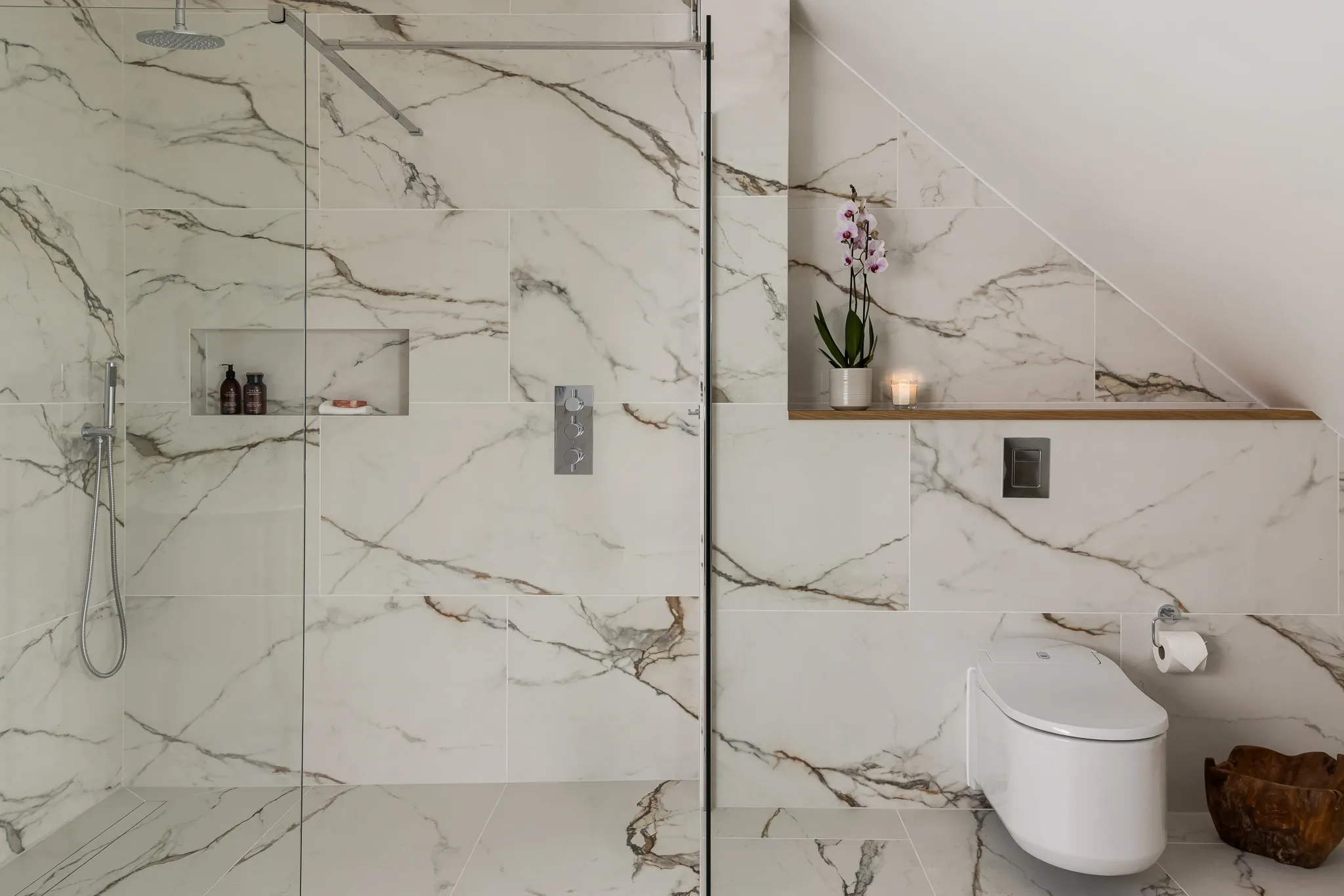
Explore completed plastering across London, from single rooms to whole houses.
Skim, overboard, or hack off
Three very different jobs, and the difference is most of the cost.
A skim
A skim is a 2 to 3mm finishing coat over plaster that is still sound and firmly attached. It is the cheapest option and gives a paint-ready surface.
Overboarding
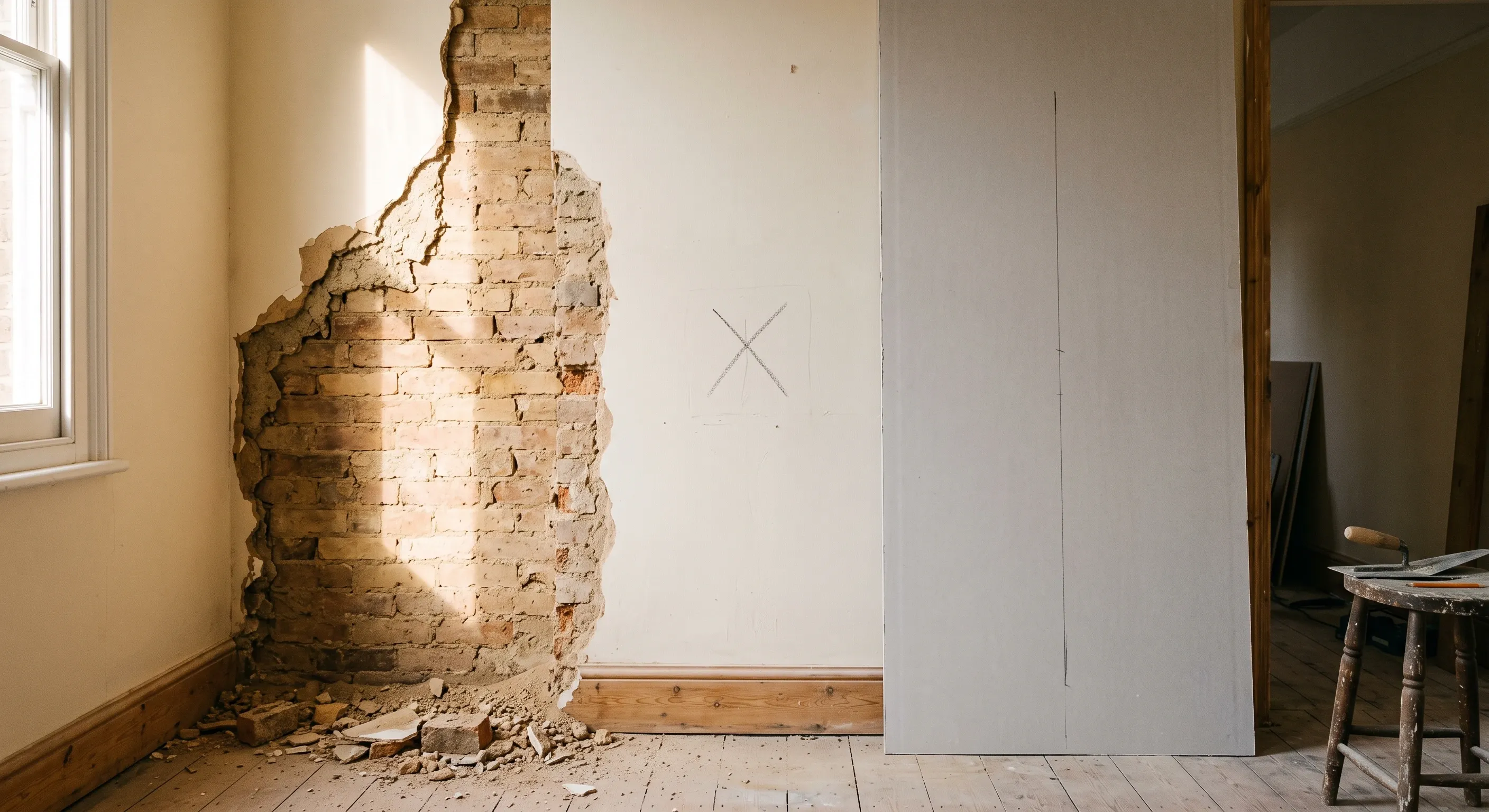
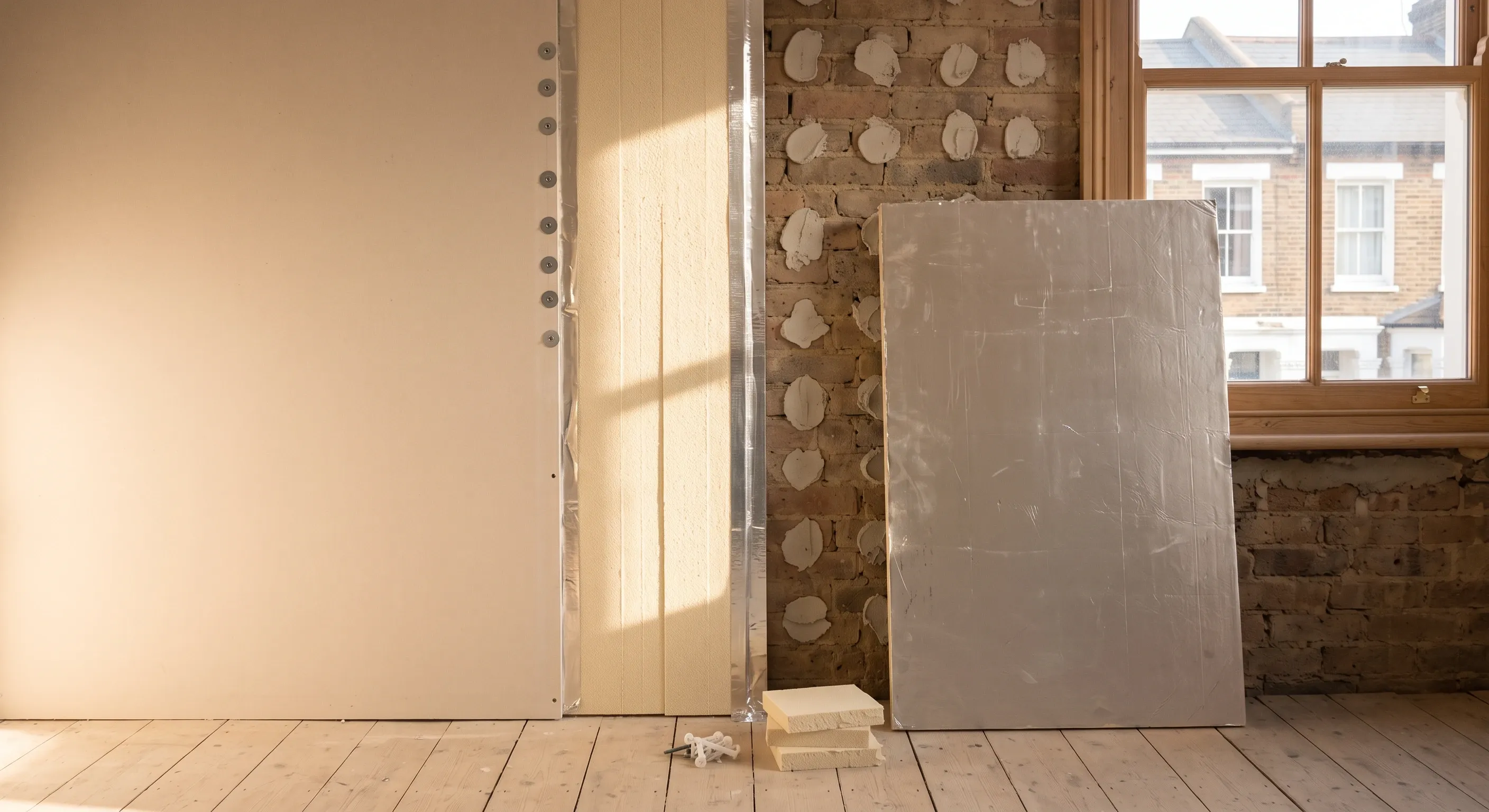
Overboarding fixes plasterboard over the existing surface and skims that. It is used where the old plaster is uneven or has blown in patches but the wall behind is sound. It costs more than a skim and loses a little room depth.
Hacking off and replastering
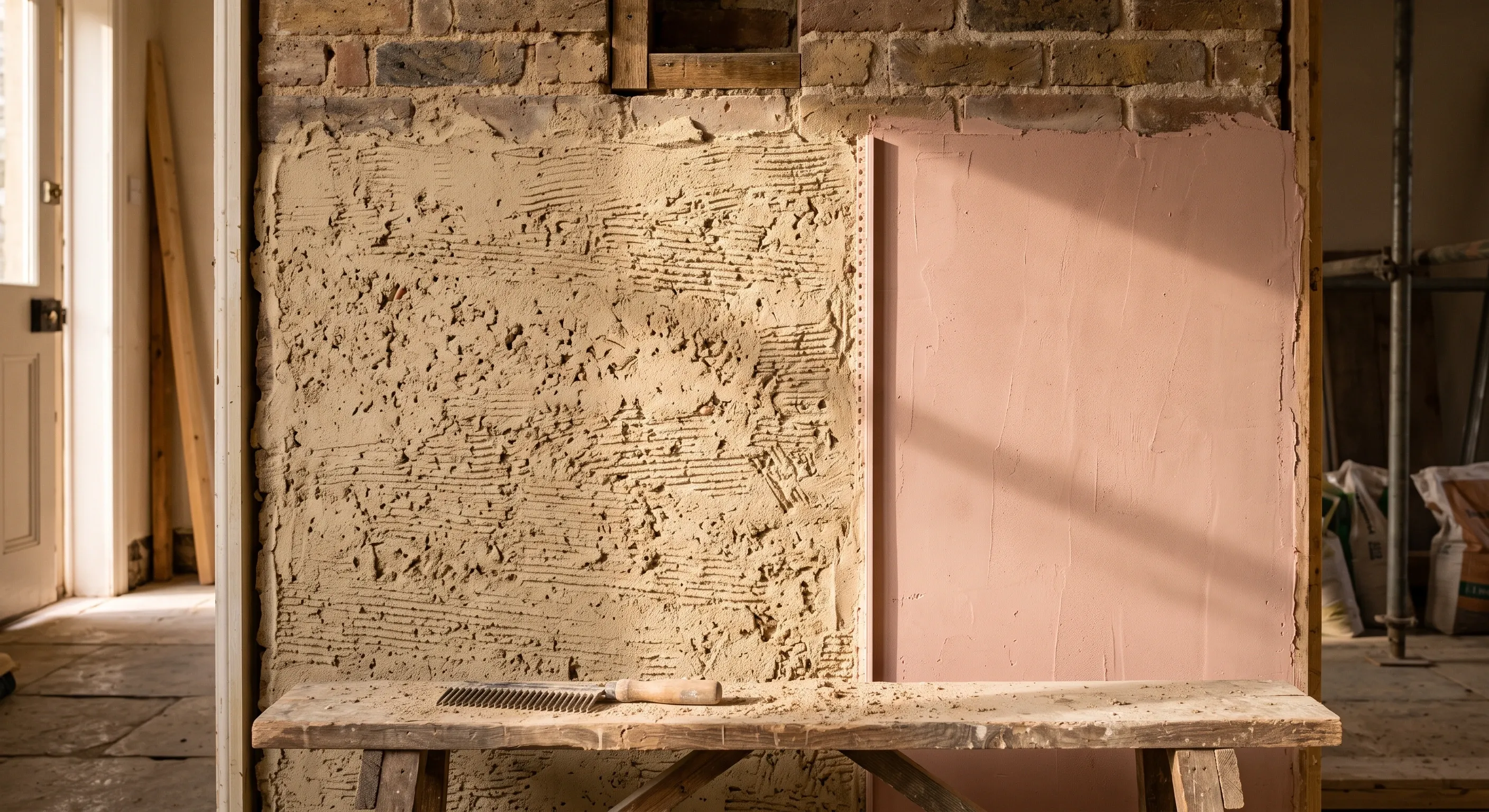
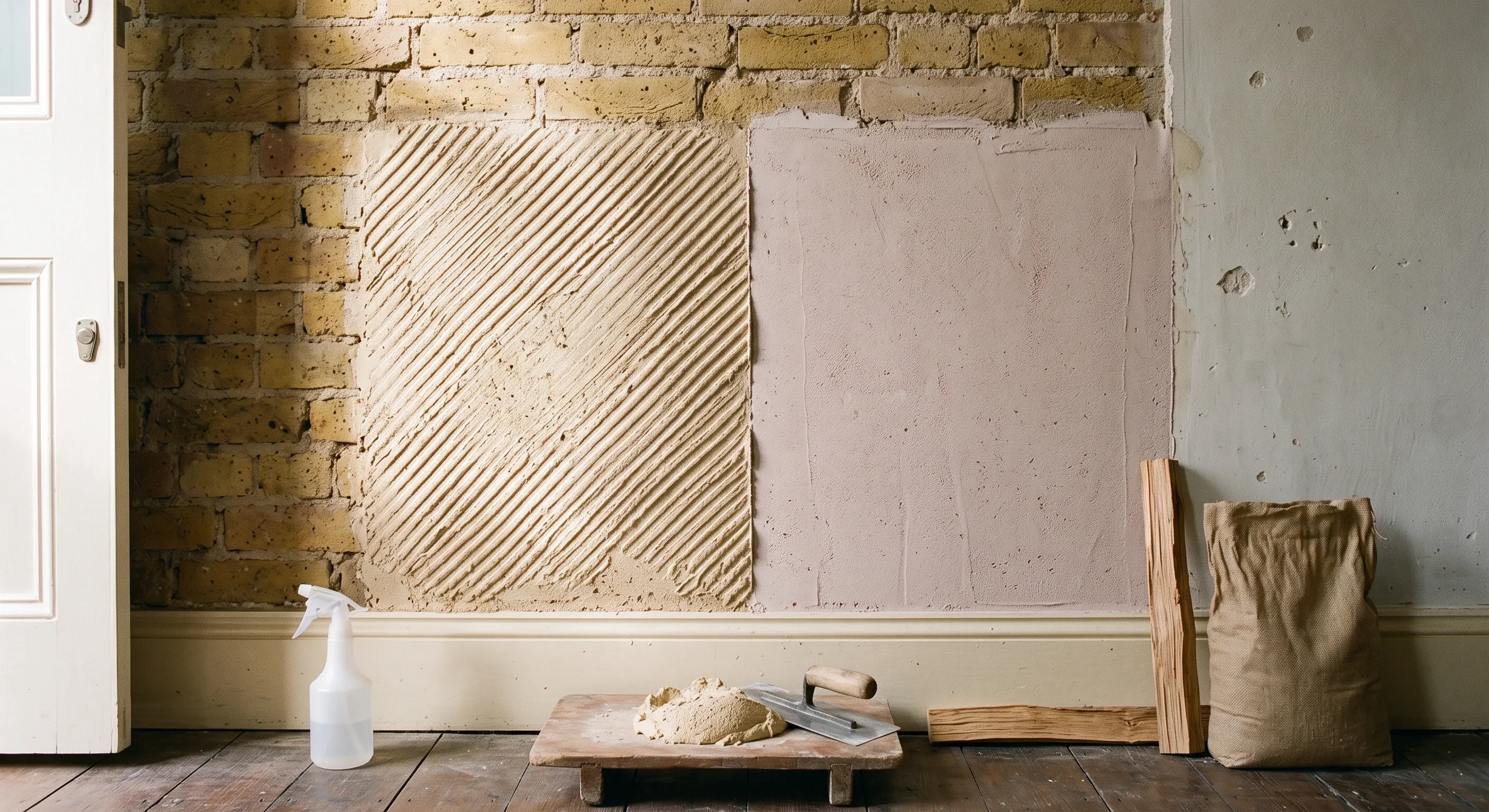
Hacking off and replastering strips back to the brick and rebuilds with a backing coat and a skim. It is the most expensive and the most disruptive, and it is the right answer where the plaster has blown, is damp, or is coming away from the wall.
The tipping point is roughly when more than about 40% of a wall needs hacking off and patching anyway. Below that, patch and skim usually wins. One published guide puts it exactly there, and it is a more useful test than any rate per square metre.
For per-square-metre rates and whole-house figures, our plastering cost guide sets out the numbers.
Lime or gypsum on a solid wall
On a solid-walled London terrace this is the decision that matters, and it is routinely got wrong.
A solid wall has no cavity, so it manages moisture by letting it move through and evaporate. Lime plaster is breathable and allows that. Gypsum and cement are not, so moisture that reaches the back of the plaster has nowhere to go and shows as damp patches, or pushes salts through to the surface where paint then flakes.
Homeowners describe the pattern clearly. One noted that builders default to blockwork, plasterboard and multi-finish because it is cheap, quick and familiar, and worried about damp being trapped. Another had a damp wall hacked off and replastered in a specialist plaster, then watched the patch return after heavy rain.
That last point is the important one. Replastering does not fix damp. It covers it. If moisture is getting in through failed pointing, a leaking gutter or a bridged damp course, the plaster will fail again. Establish the source first, then plaster.
Drying times, and why they matter
New plaster holds a lot of water, and it has to leave before anything can be painted.
A single skimmed room typically needs three to seven days before decoration. A whole house replastered back to brick is a different matter: homeowners describe running dehumidifiers for a month across fourteen rooms and moving out while it happened. Where the brickwork itself was damp, one was told to allow a couple of months of drying before the plasterer would touch it at all.
This is the single most common reason a renovation programme slips. Plaster dictates when decorating starts, decorating dictates when flooring goes down, and flooring dictates when you move furniture in. Sequence it deliberately.
New plaster also needs a mist coat, a watered-down emulsion, before proper paint. Sealing damp plaster with ordinary emulsion is how you get flaking a month later.
Original lime plaster behaves differently again, and repairing it rather than replacing it is a separate job with its own drying behaviour.
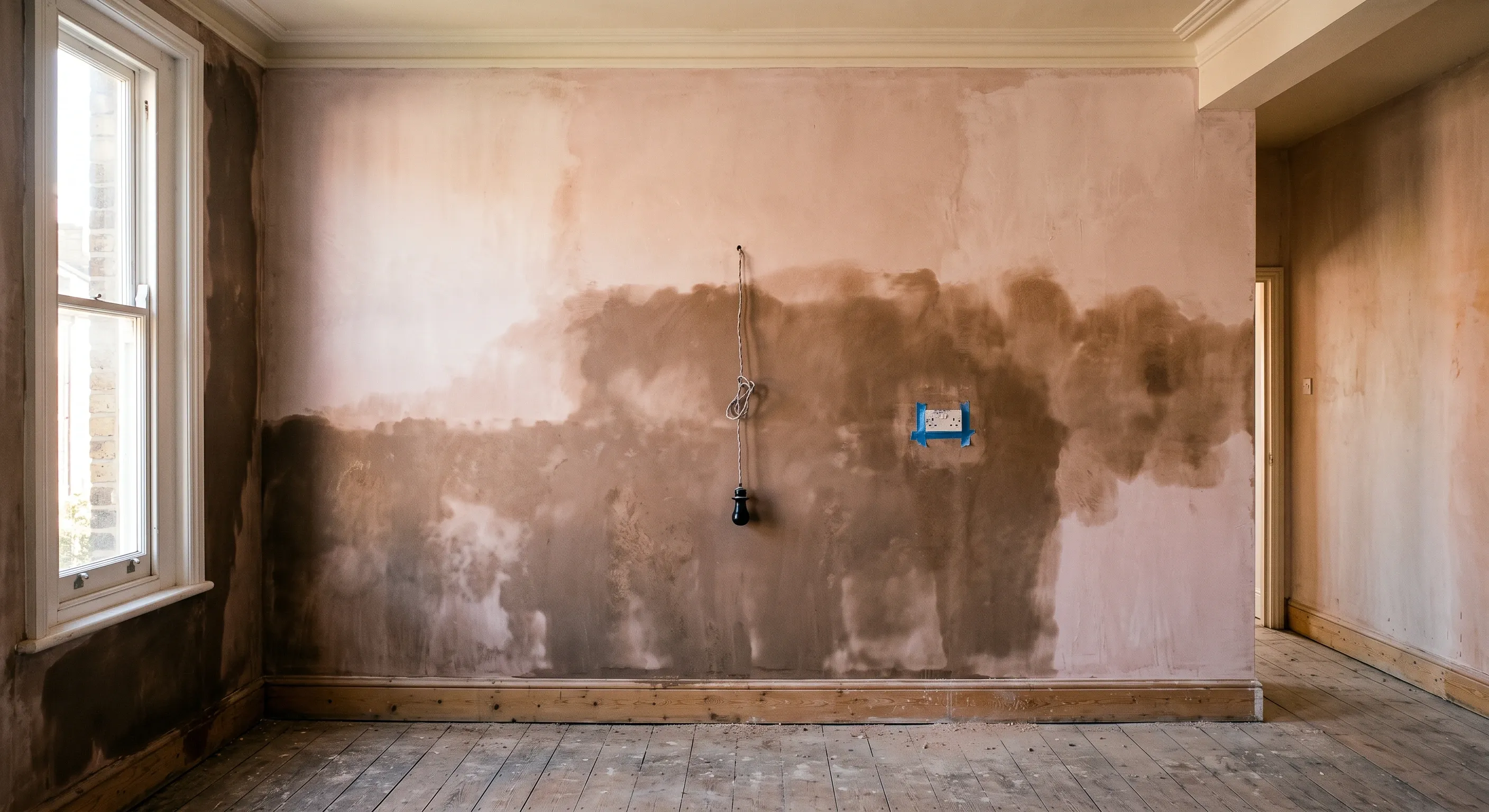
Artex, asbestos, and what to do about it
Textured coatings applied before roughly the year 2000 may contain asbestos, and this needs testing before anyone touches it.
Once tested, there are two routes and the cost difference between them is large. Skimming over intact textured coating to give a flat finish costs about the same as ordinary skimming, and it is the recommended approach precisely because it does not disturb the coating. Physically removing it adds £15 to £30 per square metre if it is asbestos-free. Where asbestos is present, licensed removal followed by replastering is roughly £400 to £900 per room, or £2,750 to £6,000 for a full ceiling (BestBuilders, Q3 2026, VAT status not stated by the source). Per-square-metre skimming rates sit in our plastering cost guide rather than on this page.
Encapsulation by skimming over is the recommended route for most asbestos-containing textured coatings. If a quote proposes scraping artex off a pre-2000 ceiling without mentioning a test, that is a reason to stop.
Do you need building regulations approval to replaster?
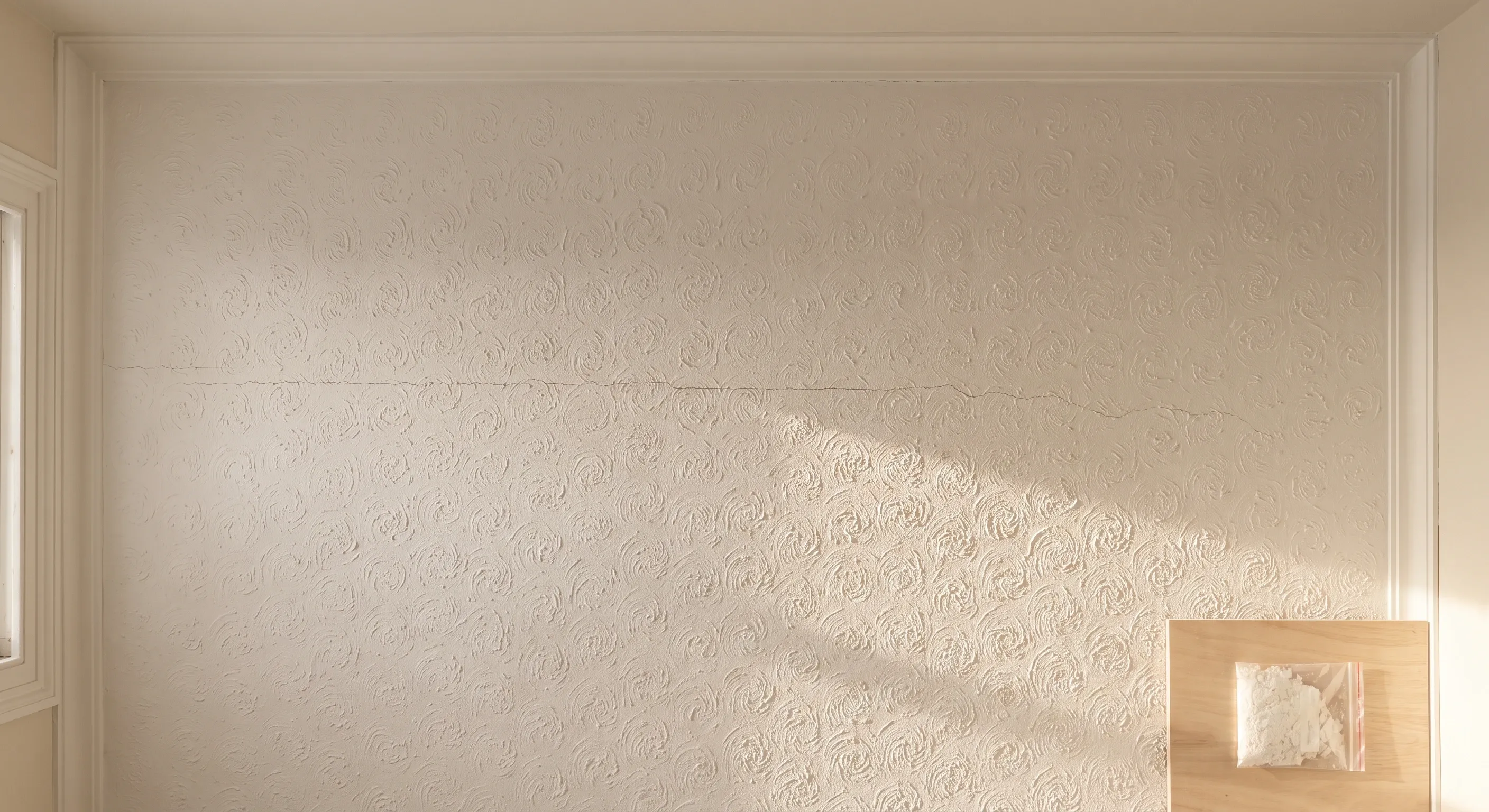
Not normally. Internal replastering and skimming sit outside the regulations. The exception is stripping an external wall back to brick across more than half its area, which counts as renovating a thermal element and brings Part L into play.
So the question to settle before the scope is agreed is how much of any external wall is actually coming off. That is what decides whether the exception applies, and it is a scoping question rather than a plastering one, which is why it belongs in the written specification alongside the wall-by-wall decisions above.
What a replastering quote should contain
- Which walls and ceilings, and for each: skim, overboard, or hack off and replaster
- Plaster type, and lime where the wall is solid and pre-1920
- Ceilings priced separately, since they carry a 15 to 20% premium over wall rates
- Preparation: wallpaper removal, scraping, PVA or bonding agent, angle beads
- Protection and dust control, and waste removal
- Drying time before decoration can start
- Whether a mist coat is included
Ceilings and preparation are where quotes diverge most. A cheaper quote is often not cheaper, it is a different scope.
Where a wall is being boarded and skimmed rather than replastered, that is dry lining, and it is scoped and priced as a different job.
How a Beams replastering project works
Step 1: Get your estimate
Tell us the property, its age and which rooms concern you. Your planner gives you an estimate range before any commitment.
Step 2: Agree the scope
Wall by wall: skim, overboard or hack off, plaster type, ceilings in or out. Written down, so the quotes are comparable.
Step 3: Built by your vetted plasterer
Under a fixed-price contract, with milestone payments held securely until you approve each stage. 12-month workmanship warranty included.
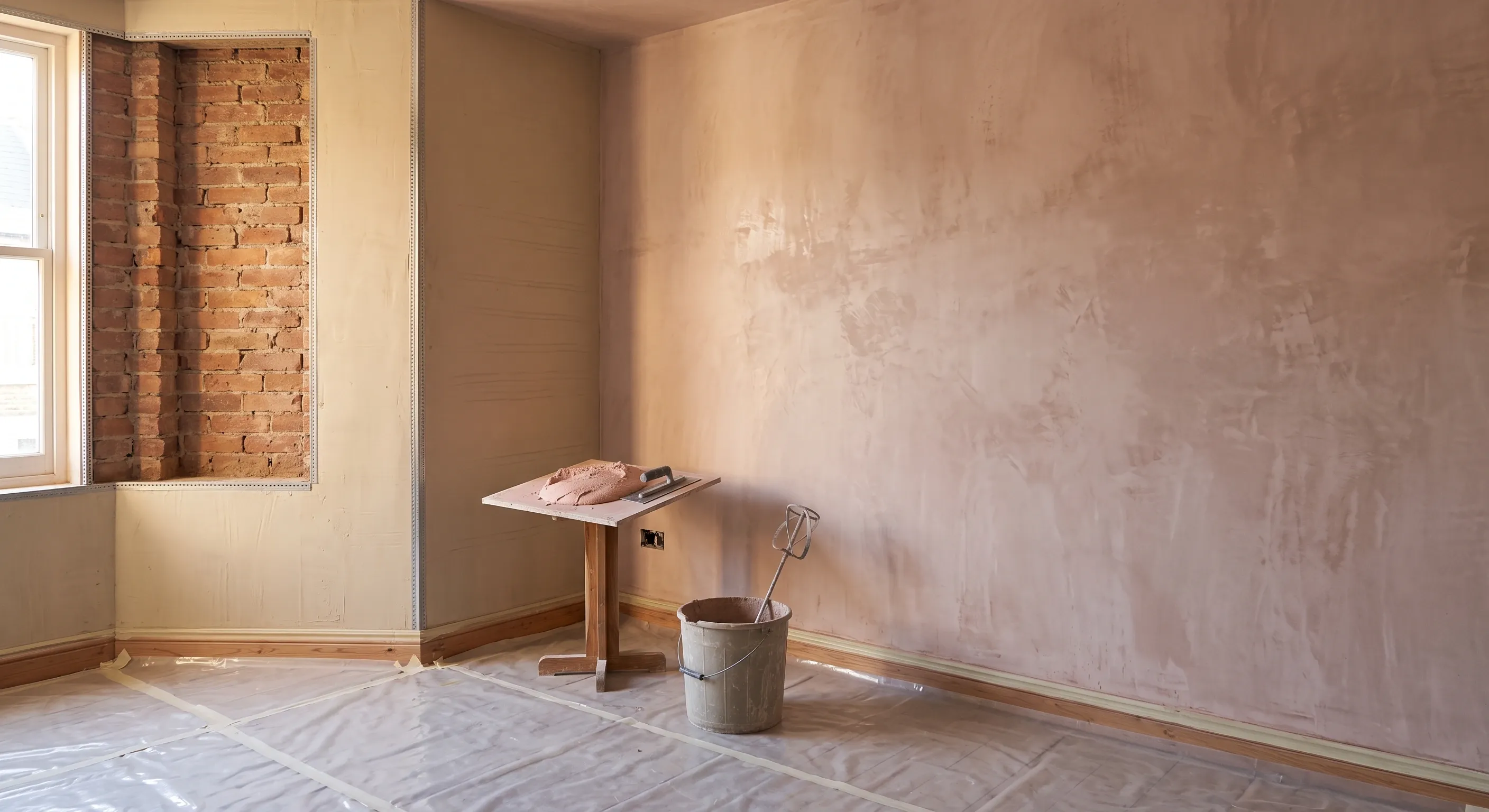
House replastering across London
We work with vetted plasterers across all London postcodes, in North, South, East and West London. London stock is overwhelmingly pre-1920 and solid-walled, so the lime question comes up here far more often than a national guide would suggest, and getting it wrong causes damp rather than just looking wrong.
Replastering usually follows other trades. If a rewire, replumb or new heating system is happening, the plastering follows the chasing, and doing it in that order rather than twice is where the saving is.
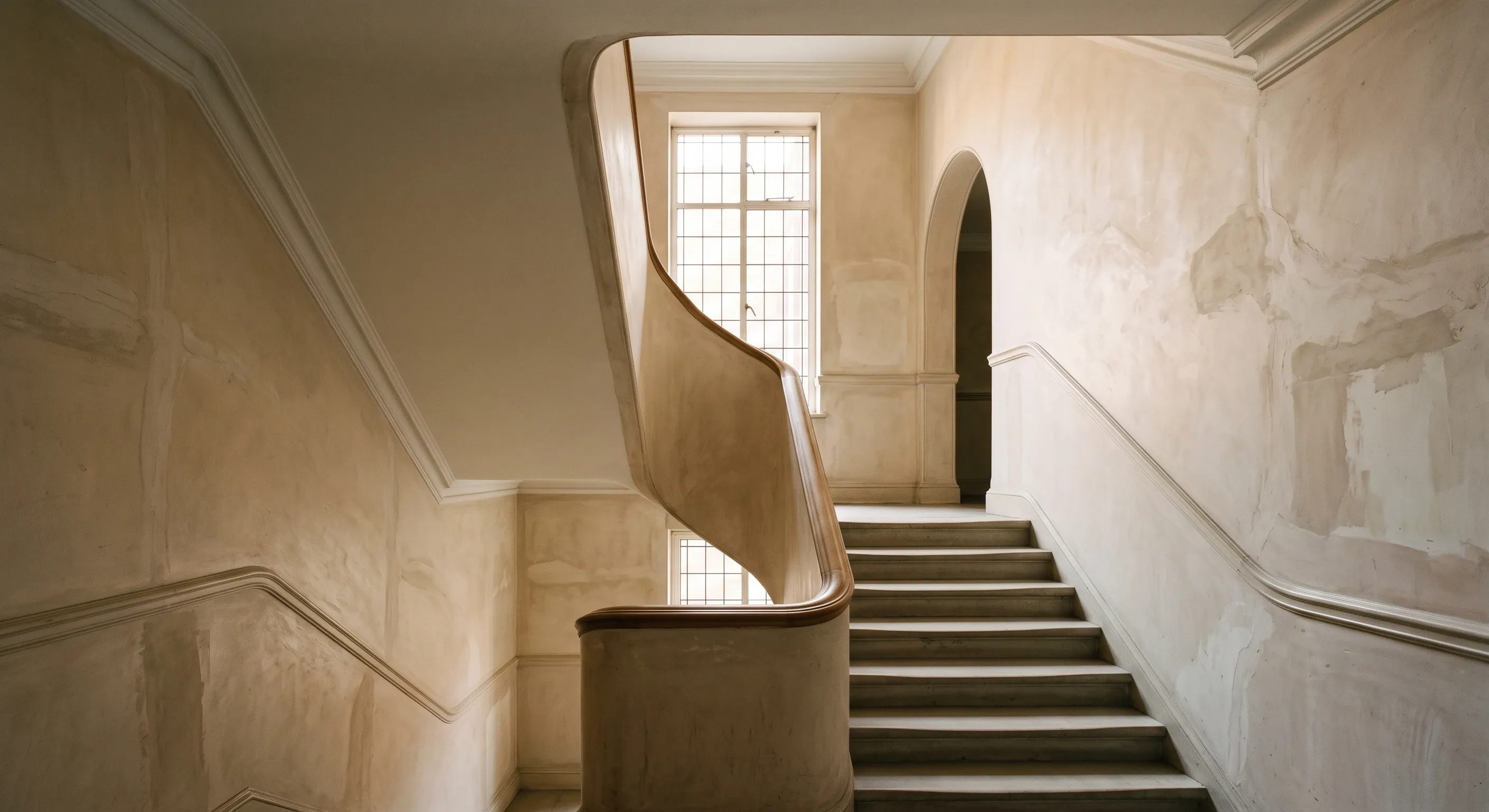
Get your walls scoped before anyone prices them
Get an estimate with the walls scoped wall by wall, rather than a single rate applied to all of them. No commitment, no sales pressure.