
In what order should you renovate a bathroom?


A bathroom is renovated in a set order: strip out, first-fix plumbing and electrics, plastering, tiling, second-fix fittings, then decoration. Following that sequence is what separates a bathroom that lasts from one that leaks, cracks or has to be redone.
Skip a step or run two out of order, and the damage often hides for months before it shows up as a loose tile, a damp patch or a wobbling basin. The order is not tradition for its own sake. It is physics and drying time.
In what order should you renovate a bathroom?
The standard order of works is: strip out, first fix, plaster or board, tile, second fix, then finish and decorate. Each stage has to be dry and signed off before the next begins, which is why a bathroom cannot safely be rushed into a long weekend.
Stage | What happens | Typical time |
|---|---|---|
1. Strip out | Remove the old suite, tiles and sometimes plaster | 1 – 2 days |
2. First fix | Run water pipes, waste and cables into walls and floor | 2 – 3 days |
3. Plaster or board | Make walls good, board and tank wet areas | 1 – 2 days |
4. Tiling | Tile walls then floor, then grout | 2 – 4 days |
5. Second fix | Fit bath, basin, toilet, shower and taps | 2 – 3 days |
6. Finish | Seal, decorate and snag | 1 – 2 days |
What is first fix and second fix in a bathroom?
First fix is the hidden work: running the water supply, waste pipes and electrical cables into the walls and floor before they are covered up. Second fix is the visible work: fitting the bath, basin, toilet, taps, shower and switches once the tiling is done.
Getting first fix right is the part you never see and can least afford to get wrong. Once tiles and plaster go over the top, moving a pipe or a cable means opening the wall back up. This is where careful measuring and a confirmed layout earn their keep.
Do you tile before or after fitting the bath and toilet?
In most modern bathrooms you tile first, then fit the sanitaryware. Taking the wall and floor tiles in before the suite goes in gives a cleaner finish and avoids awkward cuts around the fittings, which is the approach most professionals now recommend.
There is a traditional alternative where the bath is fitted first and tiles are taken down onto it, which some fitters still prefer for sealing at the bath edge. Both work. The key is that it is a decision made on purpose at the planning stage, not something improvised on the day.
Do you plaster or tile first?
Plaster first, then tile. Tiles need a sound, flat, dry background to bond to, so plastering or moisture-resistant boarding always comes before any tile goes up. In a shower or other wet zone, tanked backer board replaces standard plaster.
Fresh plaster also has to dry before tiling, and adhesives and grout need time to cure. Rushing those drying times is one of the most common causes of tiles failing later, so a good programme builds the waiting time in rather than fighting it.
How long does a bathroom renovation take?
A standard bathroom refit takes about 7 to 15 working days on site, based on UK trade estimates. A straightforward refresh can be quicker, while moving walls, relocating the suite or bespoke tiling pushes it longer. Allow extra calendar time for materials to arrive and surfaces to dry.
The on-site days are only part of the story. From first idea to finished room, most projects run 6 to 12 weeks once you include design, ordering and lead times, so the earlier you choose tiles and fittings, the smoother the build.
What trades do you need to renovate a bathroom?
Most bathrooms need at least a plumber and a tiler. Depending on the job you may also need an electrician, a plasterer, a general builder and a decorator. On a full refit that can be five or six trades, which is exactly why the order and the timing matter so much.
Each trade depends on the one before it finishing cleanly and on time. One late trade pushes everyone behind it, so coordinating who comes when is often the difference between a two-week job and a two-month one. If you would rather not manage that yourself, it is worth looking at who to consider for a London bathroom.
Does bathroom work need building regulations?
A like-for-like refit usually does not need building regulations approval, but the electrics and ventilation do have rules. Electrical work in a bathroom is notifiable under Part P and should be done or certified by a registered electrician, because a bathroom is a special location around water.
Ventilation matters too. Where there is no openable window, Approved Document F sets a minimum extract rate of 15 litres per second for a bathroom with a bath or shower. Getting the fan and the electrics signed off protects you and any future sale of the home.
What causes the most delays, and how do you avoid them?
The biggest delays come from ordering late and rushing drying times. Tiles, bespoke units and stone can all carry long lead times, and adhesives, screed and silicone every one need to cure. Sequencing trades so nobody is left waiting is a project-management job in its own right.
That coordination is what you are really paying for on a managed job. With a bathroom renovation through Beams, the trades, the order of works and the timeline are planned and run for you, on a fixed price with a 12-month workmanship warranty. Get a free estimate to see what your bathroom should cost. If your new layout means adding a second bathroom, our guide to adding an ensuite shows how the same sequence applies.
Common questions about the bathroom order of works
Can you renovate a bathroom yourself?
You can take on stripping out and decorating, but plumbing, tanking and electrics reward qualified trades, and the electrical work needs certifying. The order of works is unforgiving, so a small mistake early can be costly to unpick later.
What is the first thing to do when renovating a bathroom?
Finalise the layout and order the suite and tiles before any work starts. The build only runs smoothly when the design is locked and the materials are on site, because almost every stage depends on knowing exactly where things will go.
Ready to start planning your bathroom renovation?
A Beams planner can assess what's possible for your home, walk you through the process and give you a clear estimate - no obligation.
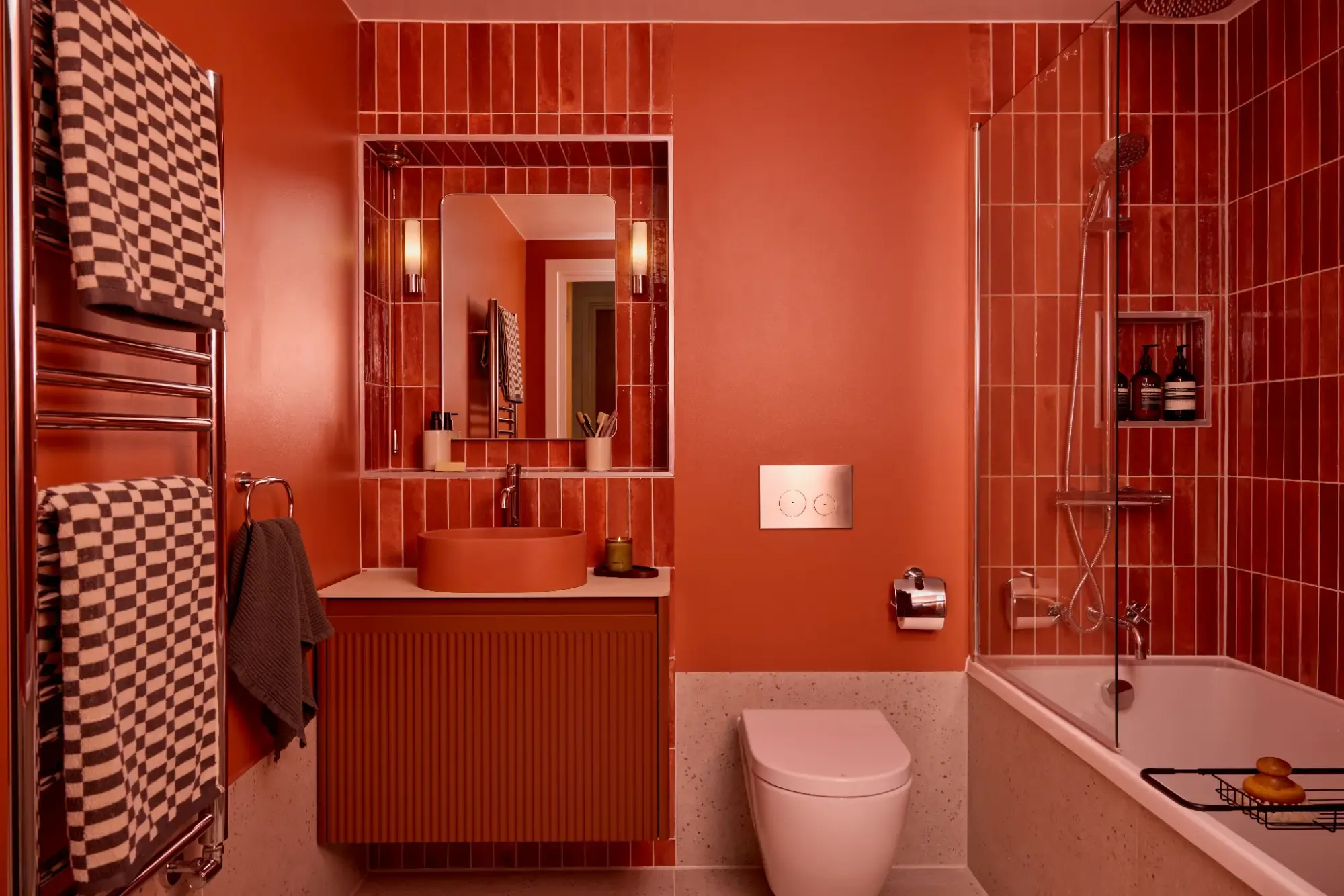
£5,000 to £12,000, around £8,000 typical. Full line-item breakdown, macerator vs gravity drainage, VAT, minimum sizes and Building Control.

A UK bathroom renovation costs £13,700 to £20,000 inc VAT, typically £15,700. Cost by size and layout, plus the VAT reliefs most people miss.
Yes, you can have a new kitchen by Christmas, if you start now. Here's the real deadline, and why it's tighter than it looks
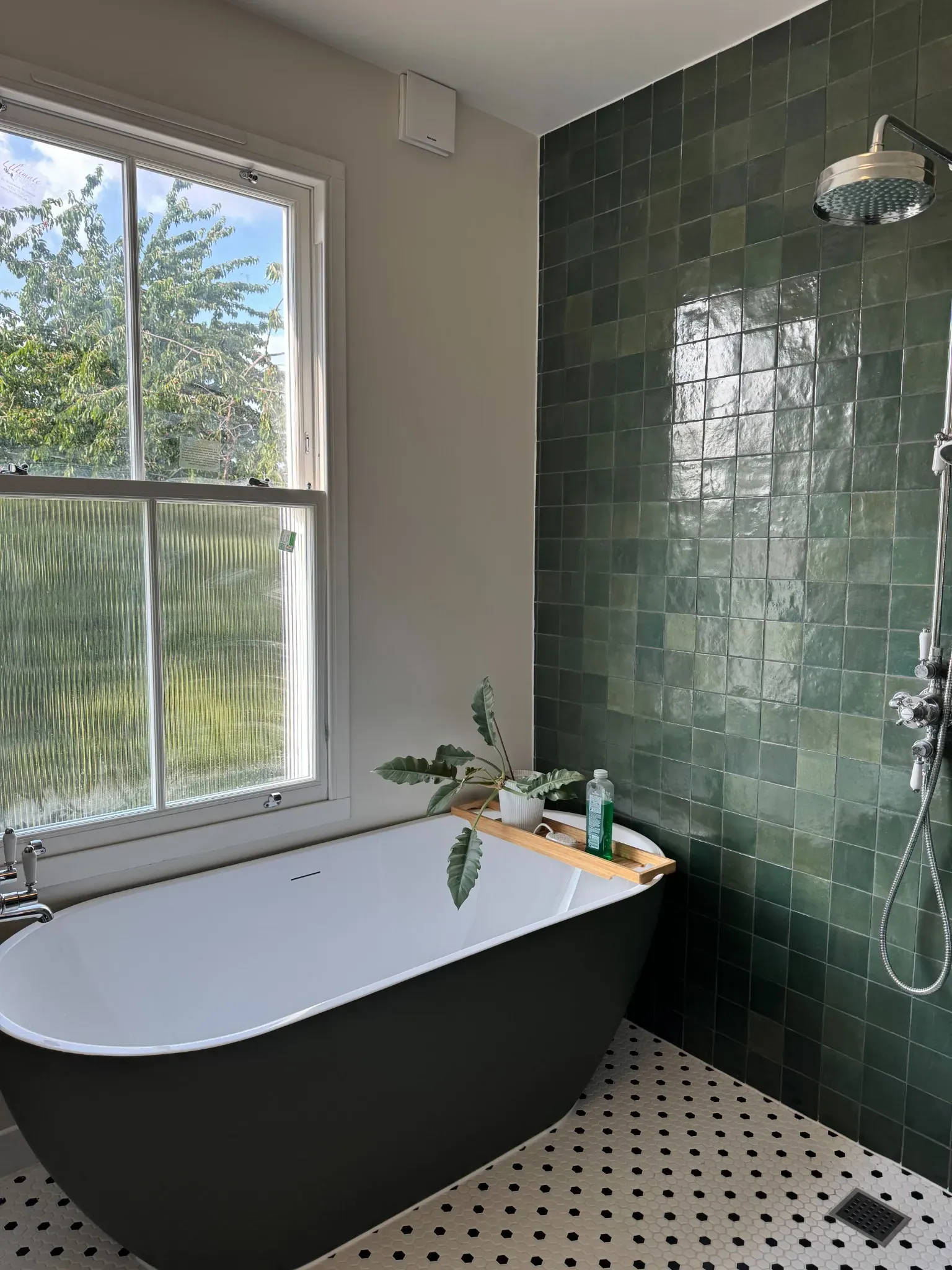
UK bathroom renovation timelines explained. Most projects take 3 to 5 weeks on site. What drives the schedule, common delays, and how to plan properly