
How much does it cost to tile a bathroom?

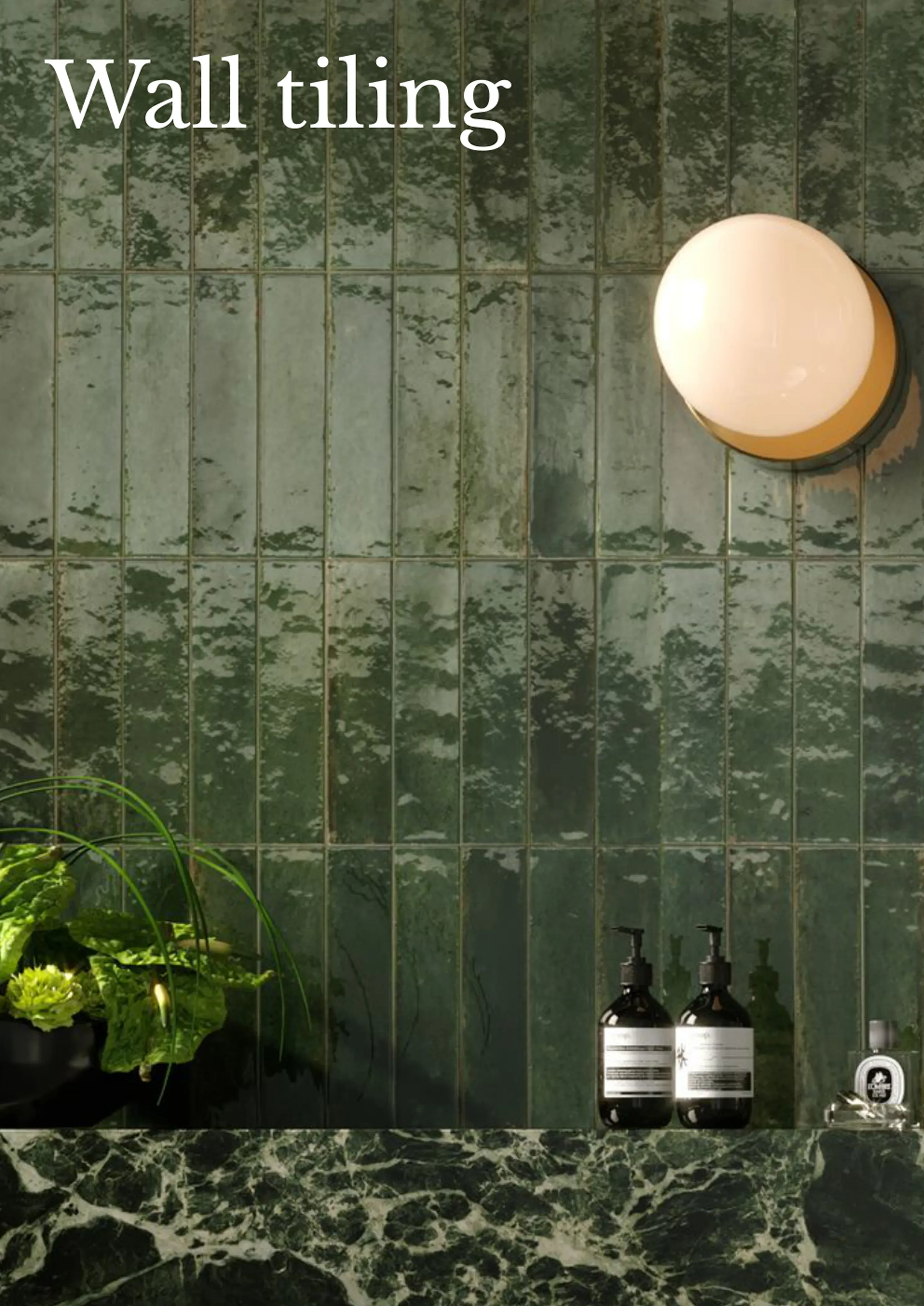
Tiling a bathroom typically costs £500 to £1,200 for labour in the UK, rising toward £2,000 and beyond once better tiles are involved, based on 2026 trade cost data. Labour usually runs £20 to £40 per square metre, with tilers charging £150 to £350 a day.
The quote you get can almost double on one choice you make before a single tile is cut: the tile itself. It drives the material cost, the labour, and even how long the job takes.
How much does it cost to tile a bathroom?
Tiling a bathroom usually costs £500 to £1,200 for a standard job covering walls and floor, and takes about 2 to 4 days. Larger rooms, big-format or natural-stone tiles and intricate patterns push the total toward £2,000 or more.
Two well-known UK cost guides bracket the range: one puts a full wall-and-floor tile job at £800 to £1,200, another at £500 to £800 for cheaper ceramic in a smaller room. The gap is really about tile grade and how much area you cover, not about one guide being wrong.
Tiling a bathroom | Typical cost |
|---|---|
Labour, per m² | £20 – £40 |
Tiler day rate | £150 – £350 |
Small bathroom | £300 – £700 |
Full bathroom (walls and floor) | £800 – £1,200 |
Walls only (ceramic) | £750 – £1,600 |
Floor only | £150 – £450 |
How much do tilers charge per day?
Tilers typically charge £150 to £350 a day, or around £20 to £40 per square metre of tiling. As a rule of thumb, a tiler lays about 10 to 15m² of wall tiles or 8 to 12m² of floor tiles in a day, which is a handy way to sanity-check a quote.
If a quote assumes far more than that per day, the finish may suffer. Good tiling is slow, careful work: setting out, cutting, spacing and levelling all take time, and it is the part of a bathroom people run their eye over most.
Does it cost more to tile walls or floors?
Walls usually cost more in total simply because there is more area to cover, but floor tiling can be slower per square metre, especially with large or heavy tiles that need careful levelling. Small mosaic tiles are the most labour-intensive of all, because there are so many more edges to set.
This is why two bathrooms of the same size can be quoted very differently. A room tiled floor to ceiling in large porcelain is a different job from one with a half-height ceramic splashback, even though both are the same square metres on paper.
What affects the cost of tiling a bathroom?
Four things move the price most: the tile material, the tile size, the area covered, and the state of the surface underneath. Natural stone and large-format porcelain cost more to buy and to fit than standard ceramic, and any old tiles or poor plaster that need removing or repairing add labour.
Tile prices to buy vary widely: ceramic from around £12 to £50 per square metre, porcelain £50 to £100, slate £40 to £50, marble £40 to £70 and granite £80 to £90. The dearer stone and porcelain also need more skill and time to fit, so the tile choice shows up twice in your quote.
How many tiles do you need to allow for?
Order about 10% more tiles than the area you are covering, to allow for cuts, breakages and future repairs. Natural stone and patterned tiles often need a little more. Running out mid-job risks a visible colour difference if you have to reorder from a new batch.
Keeping a small stock of spare tiles after the job is finished is worth doing. A cracked tile in three years is a quick fix if you have matching spares, and an eyesore if the range has been discontinued.
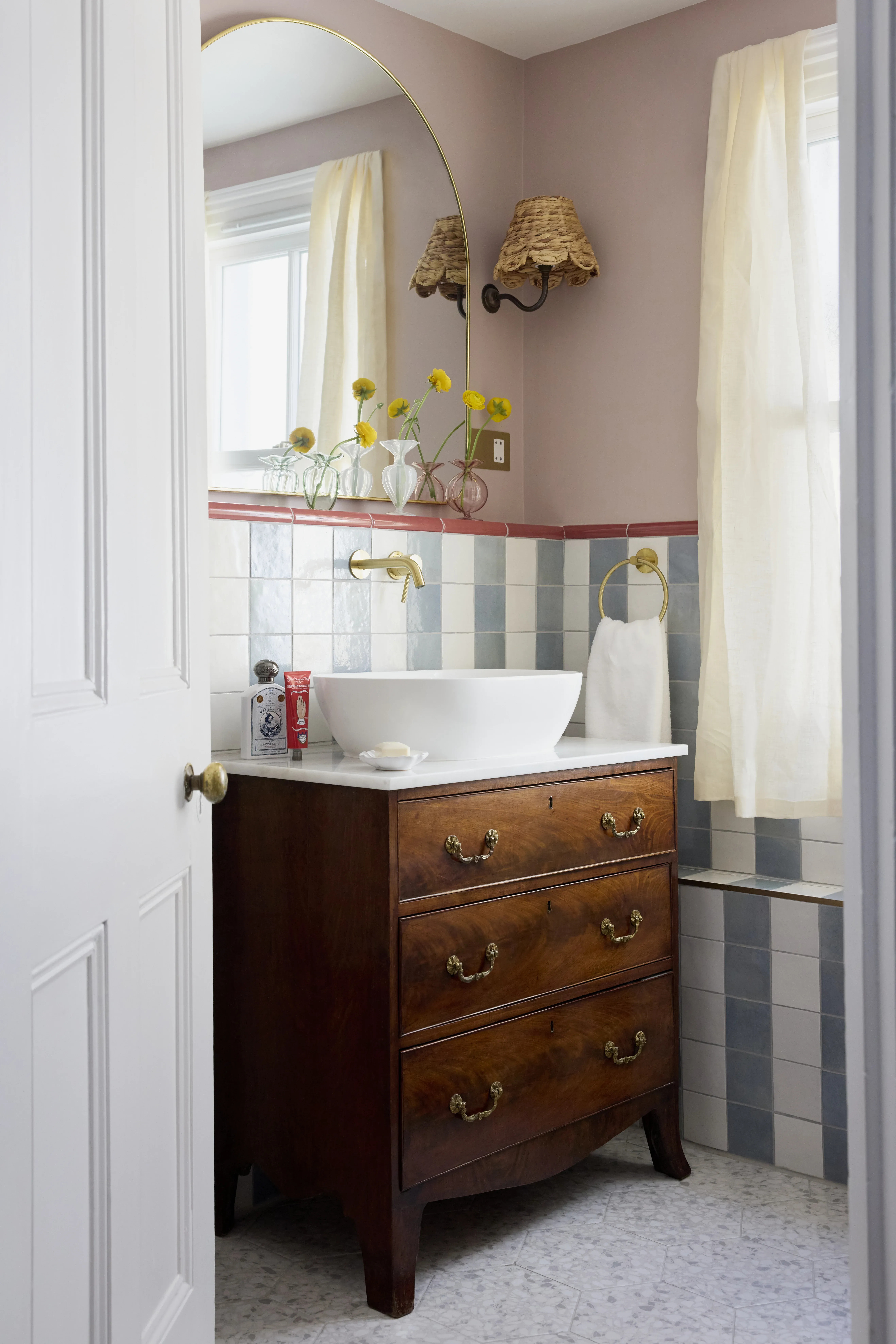
Can you tile over existing tiles, and do you need to waterproof first?
You can sometimes tile over sound, flat existing tiles, but removing them for a fresh, reliable surface is usually the better call. In a shower or other wet area, the wall should be tanked or fitted with a suitable backer board first, so water cannot get in behind the tiles.
Skipping the waterproofing to save a day is one of the most expensive shortcuts in a bathroom. Once water gets behind tiles, the tiles, the wall and sometimes the room below all pay for it later.
Is tiling a bathroom a job you can do yourself?
Straight wall tiling on a good surface is within reach of a confident DIYer, but floors, wet areas and natural stone reward a professional. Poor falls, hollow spots and failed waterproofing are expensive to put right once the suite is back in.
On a full bathroom renovation, tiling is planned into the order of works so surfaces are dry, level and tanked before a single tile goes up. And if it is part of a wider home renovation, the same vetted trades handle every room to one standard and one fixed price.
Common questions about tiling a bathroom
How long does it take to tile a bathroom?
A standard bathroom takes about 2 to 4 days to tile, plus drying time for the adhesive and grout before the room is used. Bigger rooms, mosaics and natural stone add time to that.
Do you need planning permission to tile a bathroom?
No. Tiling is a finish, not a structural or external change, so it needs no planning permission. Only the electrics and ventilation in the wider bathroom are subject to building regulations.
Ready to start planning your bathroom renovation?
A Beams planner can assess what's possible for your home, walk you through the process and give you a clear estimate - no obligation.
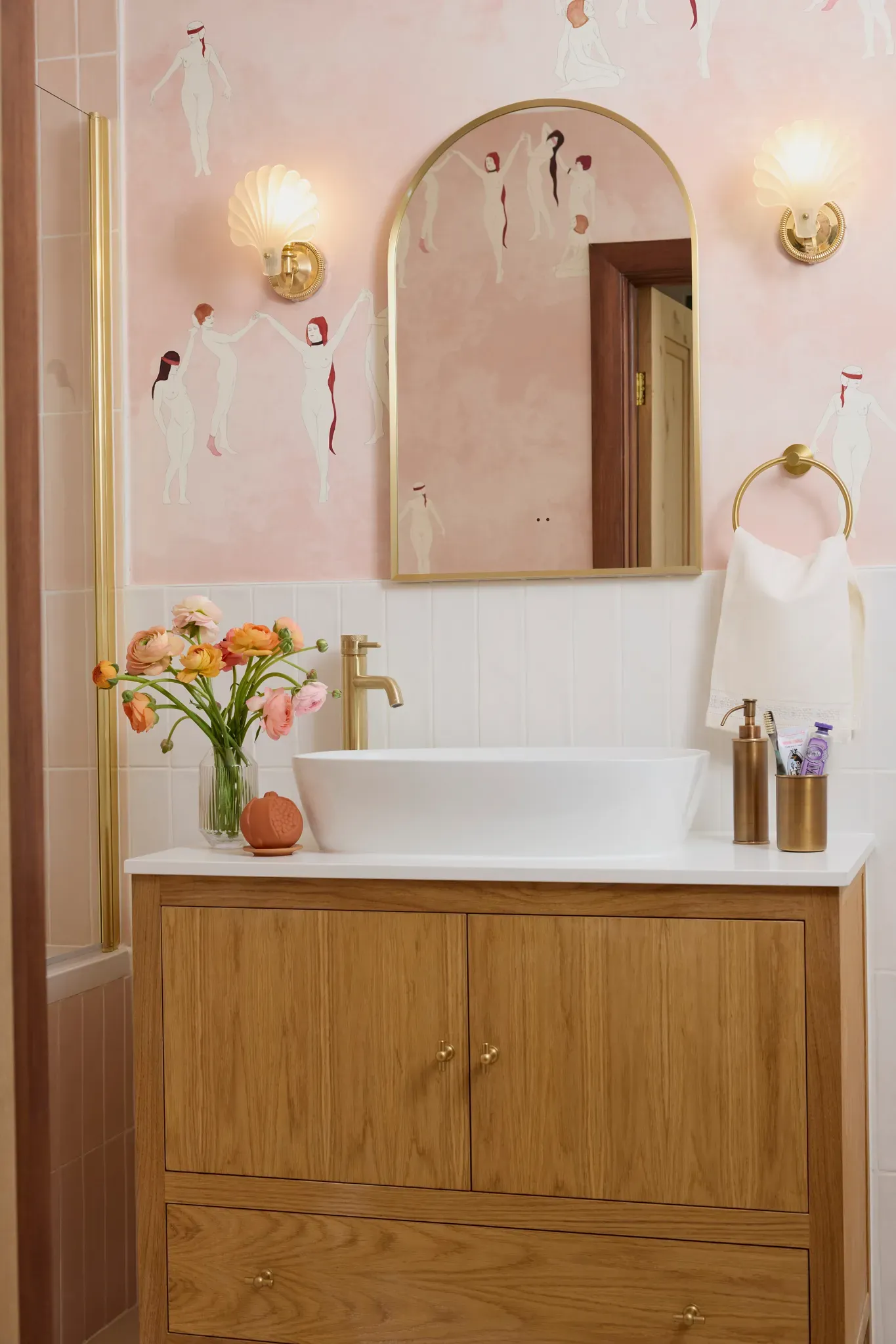
The correct bathroom renovation order of works, stage by stage, with timings, the trades involved and the building regs that apply.
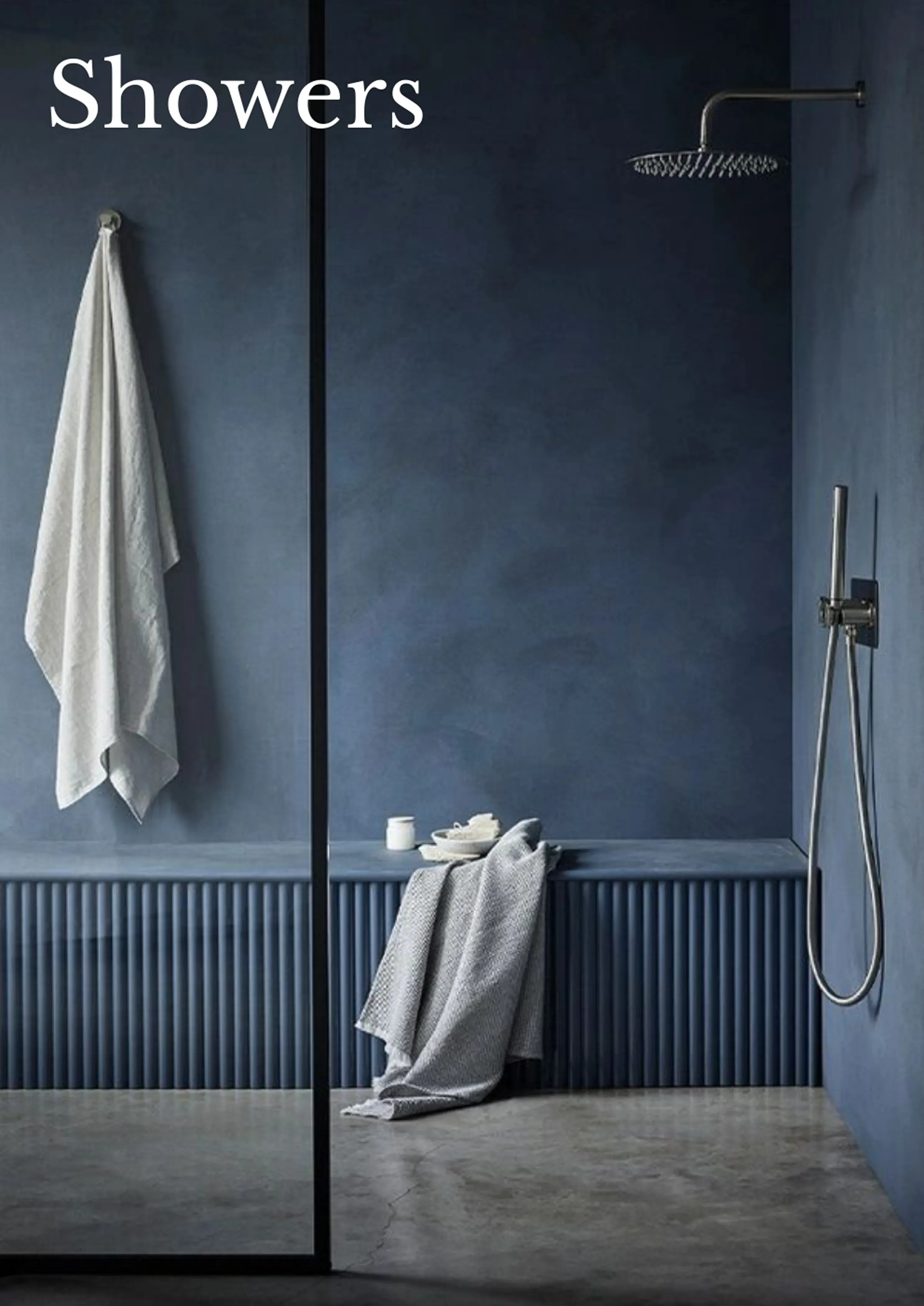
A UK bathroom renovation costs £13,700 to £20,000 inc VAT, typically £15,700. Cost by size and layout, plus the VAT reliefs most people miss.
Yes, you can have a new kitchen by Christmas, if you start now. Here's the real deadline, and why it's tighter than it looks
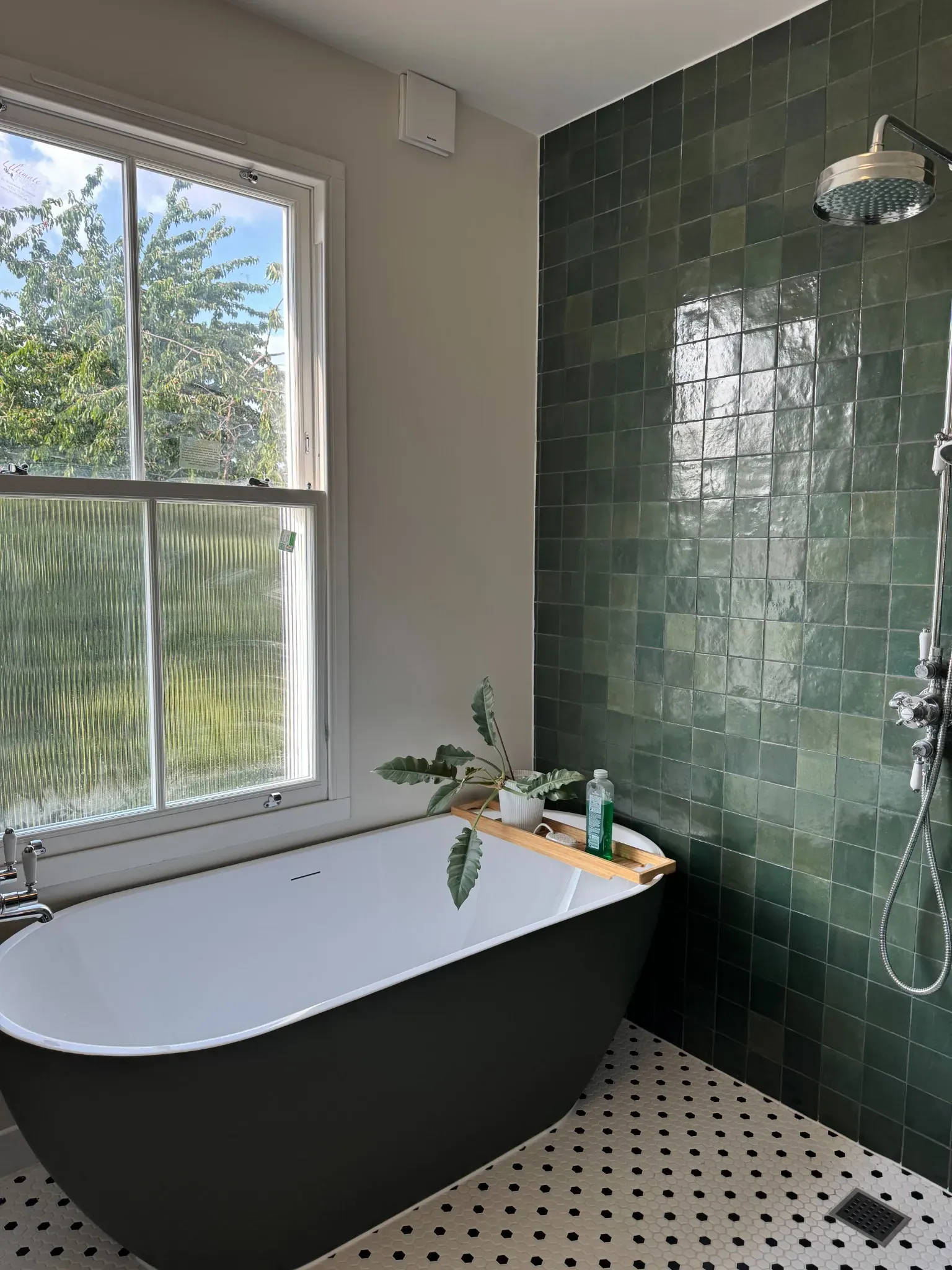
UK bathroom renovation timelines explained. Most projects take 3 to 5 weeks on site. What drives the schedule, common delays, and how to plan properly