
Bath vs. walk-in shower: resale value, space, cost issues

Your priorities will help you decide between a walk-in shower and a bath. Usually less expensive to build, walk-in showers reduce space and provide simpler access, perfect for smaller bathrooms or mobility requirements. A bath still matters to a lot of buyers though, families with young children especially. Making the best decision requires knowing your space, your budget, and your future intentions.
Compared to a walk-in shower, how much space do you need for a bathtub?
When choosing between a walk-in shower and a bathtub, one considers space quite heavily. Though larger varieties, including freestanding or corner baths, can use even more room, a normal bathtub in the UK usually measures roughly 1700mm in length and 700mm in width. According to MyBuilder's 2024 space analysis, standard UK tubs occupy 1.7m x 0.7m (1.19m²), while freestanding models can exceed 2m in length. By contrast, walk-in showers save significantly more room. Depending on the layout and design taste, they can start from as low as 800mm by 800mm and more cosy layouts call for 1000mm by 1000mm or more. Research shows walk-in showers start at 0.8m x 0.8m (0.64m²), reducing floor space use by ~46% compared to standard tubs, which is critical for bathrooms under 5m² according to Victoria Plum's space saving guide.
Often the best option for compact bathrooms is walk-in showers. Their small footprint, few obstacles, and possibility for bespoke designs make them perfect for best use of little space. Features like wet room-style flooring or glass panels help to accentuate the visual impression of the space. For shower enclosure options, you might consider tiled vs acrylic shower enclosures to find what works best in your space.
In bigger bathrooms, though, a bathtub can provide a luxurious and comfortable feeling not quite matched by showers. A well-placed bath, especially a standalone one, can act as a soothing centrepiece. Including a bath and a shower gives versatility and can appeal to a wider spectrum of future purchasers depending on available space.
Though baths add to comfort and visual effect, walk-in showers save more space overall.
Which is less expensive to install — a bathtub or a walk-in shower?
Often one of the main factors taken into account while designing a bathroom makeover is money. Generally speaking, especially in cases of restricted space or a small bathroom remodel budget, a walk-in shower is more reasonably priced than a bathtub. Materials, manpower, plumbing adjustments, and finish quality will all affect the final price, though. When planning your renovation budget, consider how much contingency budget you might need for unexpected costs.
Depending on whether you choose a basic enclosure or a high-end, frameless glass design with premium fittings, the average walk-in shower cost in the UK falls from £1,000 to £3,500. According to Checkatrade's 2024 bathroom installation survey, basic walk-in showers range from £1,000–£3,500, while frameless glass luxury designs cost between £3,000–£5,500. Prices for a bathtub installation may run from £1,200 to £4,000; expenses rise for freestanding tubs, whirlpool versions, or installations needing major plumbing changes. MyBuilder's cost guide indicates standard bathtubs cost £1,200–£2,500, while freestanding tubs range from £2,500–£4,000+.
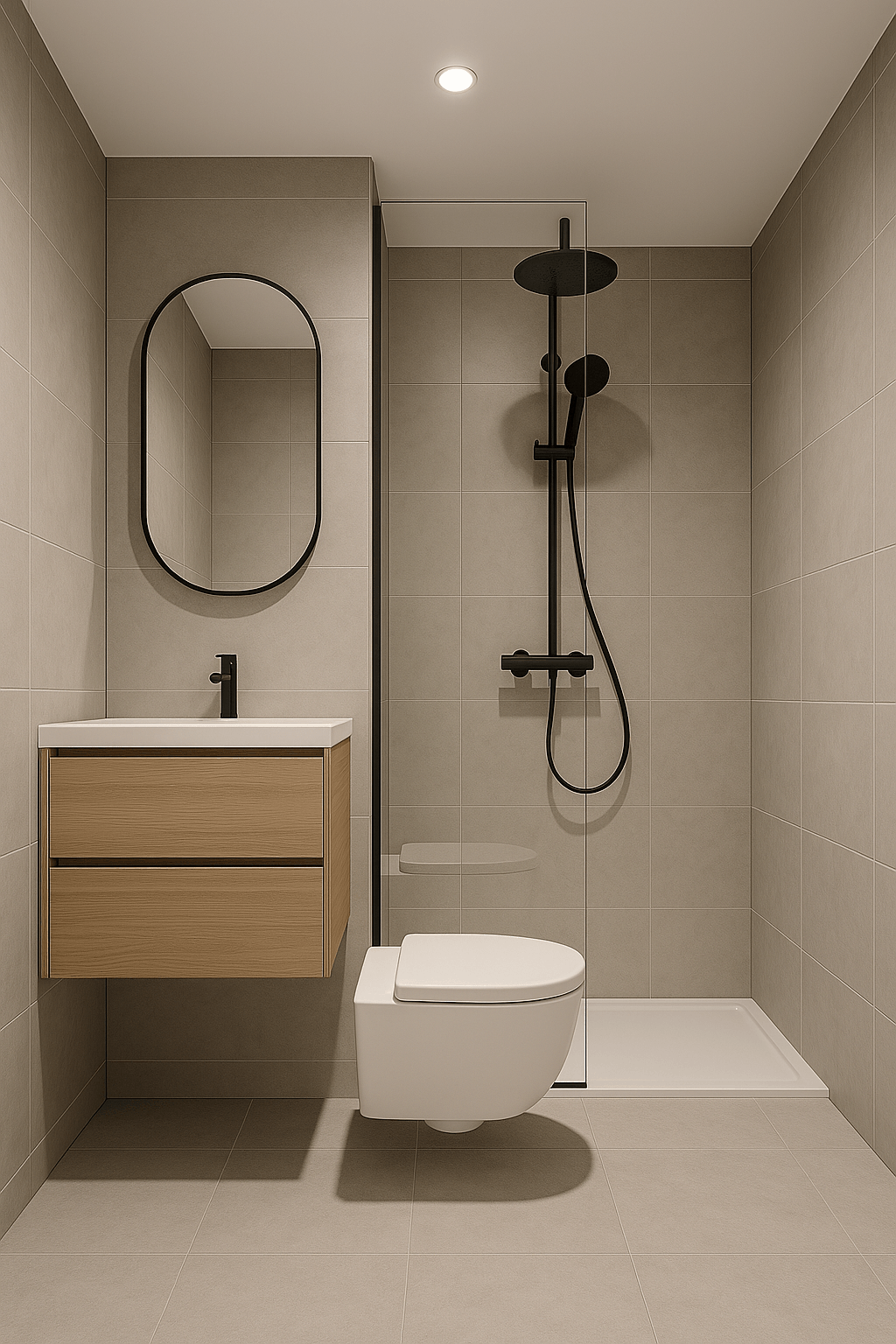
Both have reasonably priced choices including basic straight baths and acrylic shower trays. Higher end freestanding soaking tubs and frameless walk-in showers can greatly increase the overall cost.
Particularly if you are changing the structure, you should also consider hidden expenses as waterproofing, tiling, underfloor heating, or necessary permissions. These additions can affect the cost of your bathroom renovation generally, hence always budget with a margin in mind. Victoria Plum's renovation guide warns that hidden costs for waterproofing and underfloor heating can add £800–£2,000, while structural changes for wet rooms can exceed £5,000. When choosing heating sources, underfloor heating in bathrooms against radiators is a popular contrast that can also influence comfort and economy.
If you're unsure whether to handle the installation yourself or hire professionals, the split usually comes down to what sits behind the wall. Tiling and decorating are within reach of a confident DIYer, but moving water supply, waste runs and waterproofing are worth paying a professional to get right.
Which gives your house more value — bath or shower?
The honest answer first. There is no reliable published figure for what a bath or a walk-in shower does to a UK sale price. Anyone quoting you a percentage is either guessing or borrowing an American number that has nothing to do with your street. What we can tell you is how buyers behave and how agents tend to advise.
Plenty of UK buyers expect at least one bath in the house, and families with young children more than most. A bath is how most people wash small children, and it is somewhere for an adult to sit and do nothing for twenty minutes. Take every bath out of a family house and you narrow the pool of people who will want it. Agents generally advise keeping a bath where the house is likely to sell to families.
A walk-in shower pulls in a different buyer. There is no rim to step over, so it suits older buyers and anyone thinking ahead about mobility. It also looks current, which counts for a lot in a flat or a smaller period house that is likely to sell to a couple. Most London bathrooms only have room for one or the other, and in a one-bathroom flat a good walk-in shower is rarely held against you. Choosing between heated towel rails vs radiators for your bathroom will affect comfort and how finished the room reads.
So the safe position, if you have the space, is one bath and one good shower somewhere in the house. That covers families and it covers the buyers who never touch a tub. If you only have one bathroom, work out who is realistically going to buy the place and fit it for them. Look at what is selling on your road and in the flats and houses like yours, because that tells you more than any national average.
Get that right and the bathroom stops being an objection at viewings, which is the realistic goal here. If you are weighing bathroom work against bigger projects, it is worth reading what a loft conversion adds to a valuation.
Choosing between a walk-in shower and a bath
Selecting a bath or a walk-in shower requires juggling various elements, including space, cost, lifestyle, and future demands. Given a small bathroom, walk-in showers are usually the most sensible choice. Usually easier and more reasonably priced to install, they take up less floor area and provide modern style with improved access. For those building on a budget or with long-term mobility demands, this makes them very appealing. If you're considering shower options, our article on electric shower vs combi boiler shower provides useful insights into different systems.
According to Rated People's installation timeline study, a simple walk-in shower replacement takes just 1-2 days, while a standard installation including removing an old bath typically takes 3-4 days.
A shower also uses a good deal less hot water than filling a bath, so an all-shower bathroom tends to be cheaper to run. The Energy Saving Trust publishes advice on water use at home if you want to work through the numbers for your own household. Proper ventilation is also important in shower spaces. An extractor fan sized for the room, ducted to the outside and left to run on after use, will control condensation far better than opening a window.
Conversely, if your bathroom is more roomy or you are remodelling a family house, a bathtub could be the best option. Many purchasers, particularly those with young children, view baths as absolutely necessary. They can also provide a luxurious and relaxing experience not possible from showers. Agents generally advise keeping at least one bath where the house is likely to sell to families, simply because it suits more buyers.
When considering wall finishes for either option, you might want to explore tiles vs wall panels to find the best solution for your bathroom renovation. On managed bathroom renovations in London, choices like these are settled at design stage, so the layout and the finishes are agreed together.
Whether you favour long soaks or short showers, how you use your bathroom everyday and whether you expect to sell your house soon will help you determine what's best for you. Examining these daily routines and long-term goals will help direct your choice.
Ready to start your project?
.webp&w=3840&q=100)
A 10-minute electric shower costs about 30p to run, a combi shower less. Running costs compared, plus install prices and which suits your home.
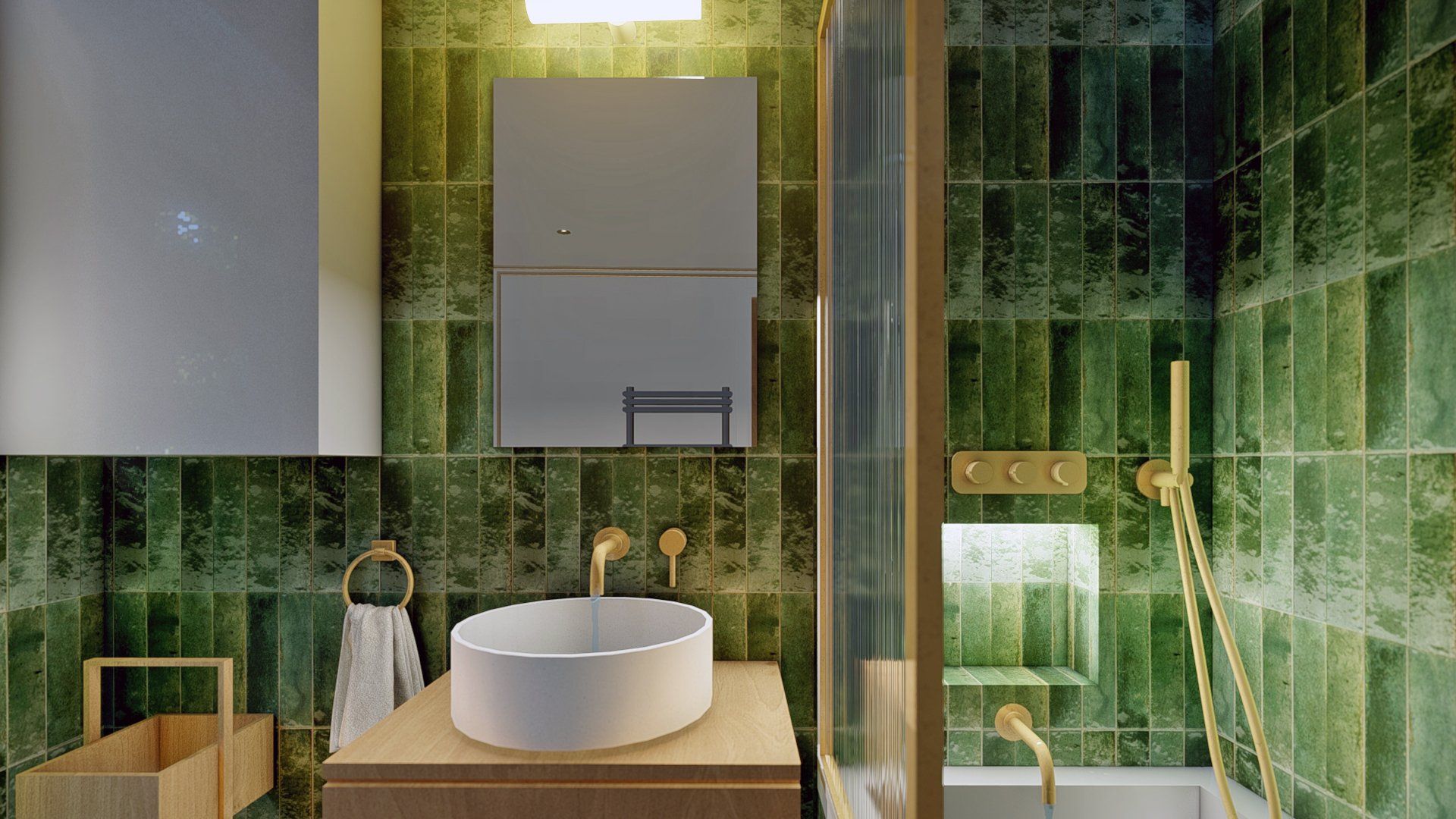
Layouts that work in under 3m², where the door and drainage can go, and the fittings that make a small shower room feel bigger.
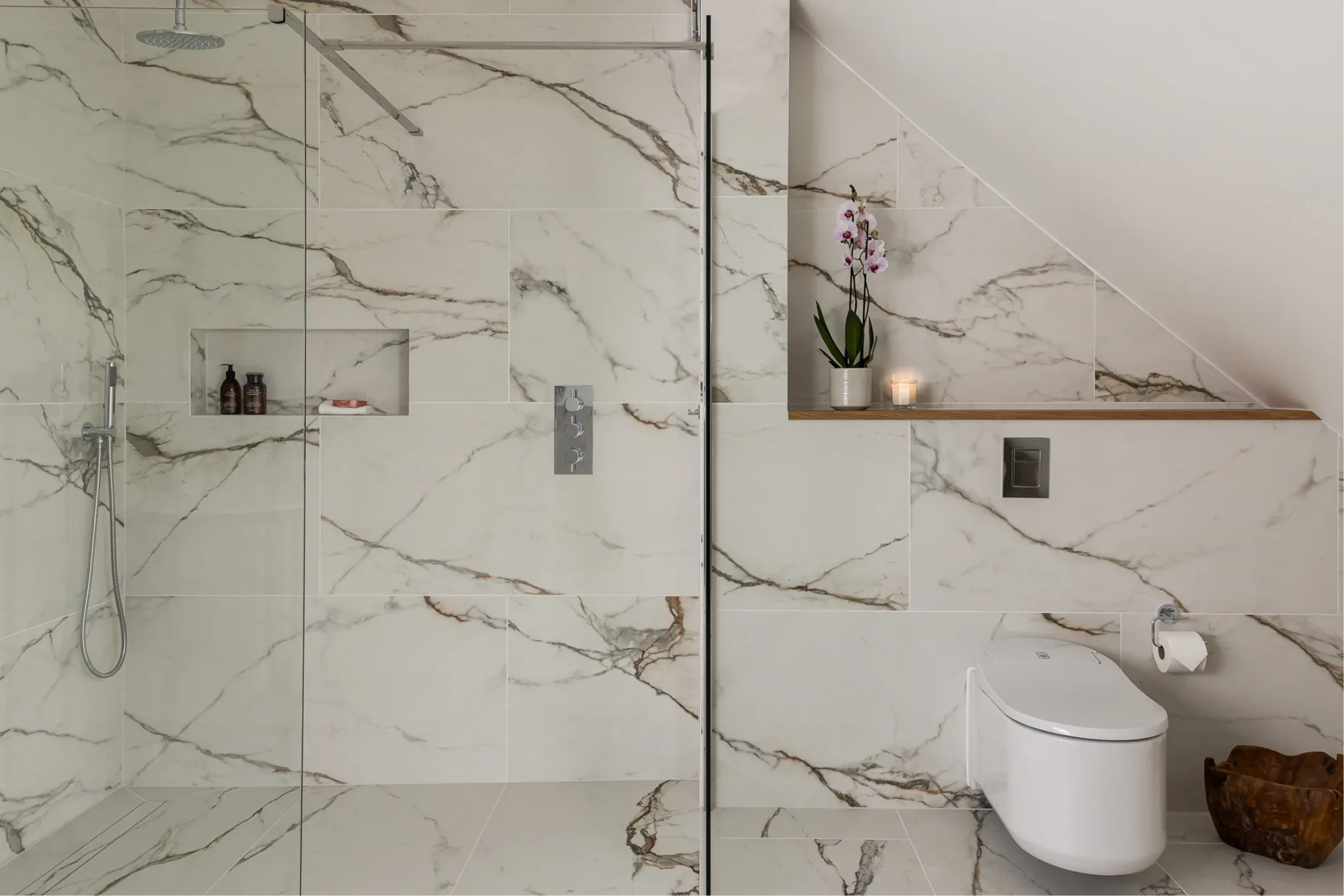
The honest UK guide to walk-in shower sizes: minimum dimensions of 800mm, workable layouts, doorless options and how to stop splash.
Changing bathroom layout explained. Moving toilets, showers, plumbing costs. Planning permission, building regulations, timelines. Expert advice from Beams.