
How much does a wet room cost?

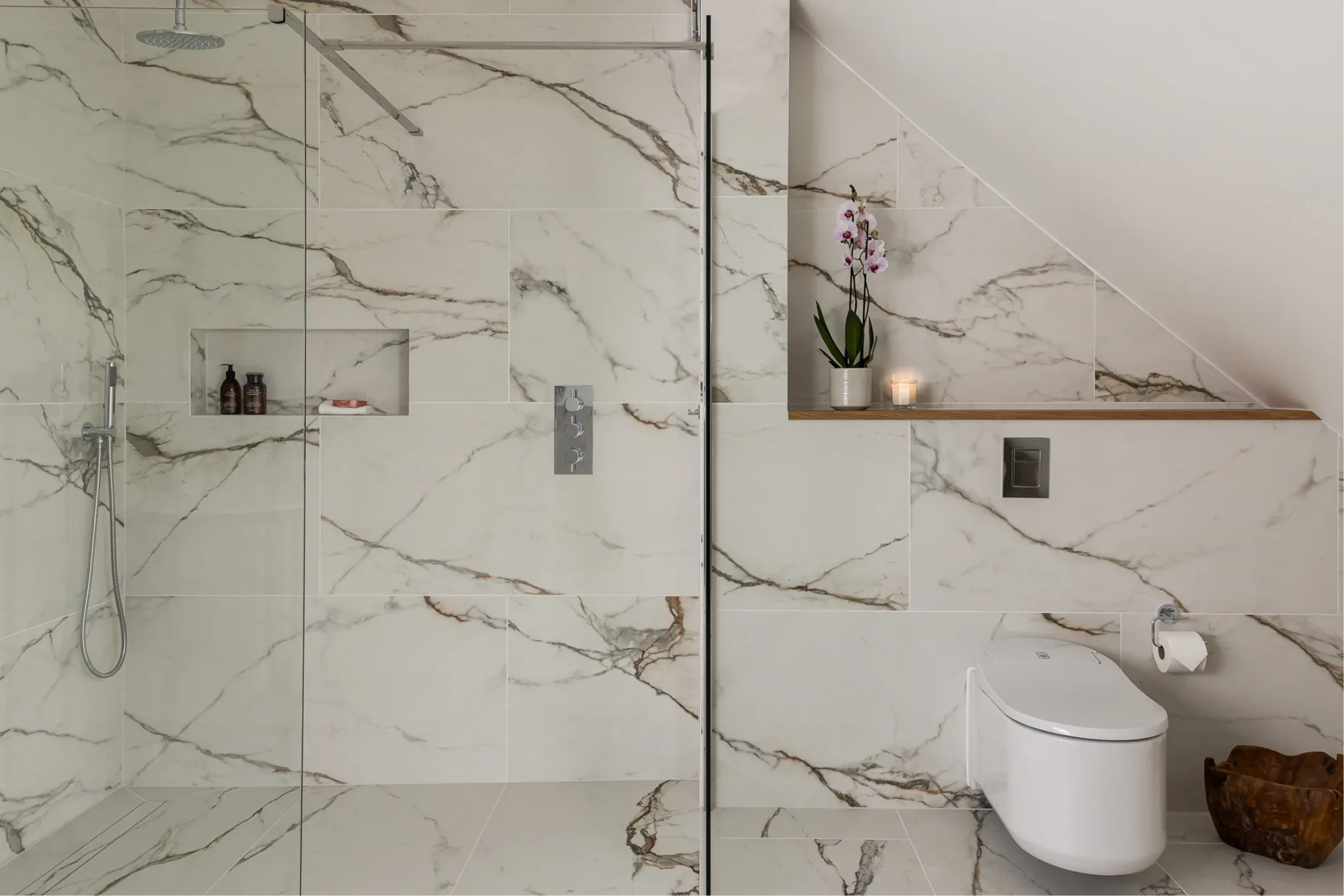
A wet room typically costs £4,000 to £7,000 to install in the UK, with around £5,500 average, based on 2026 trade cost data. The single biggest factor is not the tiles or the fittings you can see. It is the waterproofing hidden underneath them.
That waterproofing, called tanking, is what makes a wet room a wet room rather than a leak waiting to happen. Skimp on it and you can end up paying for the whole room twice.
How much does a wet room cost?
A wet room usually costs £4,000 to £7,000 fitted, or roughly £5,500 on average. A small wet room of about 2m by 2m sits near the lower end, a standard family wet room lands in the middle, and a large or luxury room can reach £8,000 or more.
The cost reflects that the whole room, not just a shower tray, is built to handle water. Waterproofing, a floor graded to a drain, suitable flooring and IP-rated electrics all sit inside that figure, which is why a wet room costs more than simply swapping a bath for a shower.
Wet room | Typical cost |
|---|---|
Small (around 2m x 2m) | around £4,700 |
Standard family | around £5,900 |
Large or luxury (over 3m x 2.5m) | £8,000+ |
Labour (within the above) | £1,700 – £2,000 |
Tanking / waterproofing | £30 – £40 per m² |
How much does tanking a wet room cost?
Professional tanking typically costs £30 to £40 per square metre, while a DIY tanking kit runs from around £65 to £300. It is a small share of the overall budget for something that protects the entire room, which is exactly why cutting it is a false economy.
Tanking is a waterproof membrane applied to the floor and lower walls before tiling. Once it is in and tested, water has no route to the timber, plaster or the room below, no matter what happens to the grout over the years.
Do you need to tank a wet room, and why?
Yes, tanking is essential in a wet room. However good the tiling and grout, changes in temperature and humidity create fine cracks that let water pass through walls and floors over time. A tanking membrane seals the room before tiling, so water never reaches the structure.
This is the step that separates a wet room built to last from one that causes problems within a couple of years. It is invisible in the finished room, which is precisely why it is the corner most often cut on a cheap job.
How small can a wet room be?
A wet room can be as small as around 1.5m by 1m and still fit a shower area, basin and toilet. Because there is no bath or shower enclosure to design around, wet rooms suit small and awkward spaces where a conventional bathroom simply would not fit.
That flexibility is a big part of the appeal in period homes and flats, where box rooms and old cupboards can become a usable second shower room. The level floor also makes a small space feel larger and easier to clean.
Is a wet room more expensive than a walk-in shower?
Usually yes. A wet room costs £4,000 to £7,000 because the whole floor is waterproofed and graded to a drain, whereas replacing a bath with a walk-in shower typically costs £1,000 to £5,000. You are paying for a fully tanked room, not a single enclosure.
If a full wet room is more than you need, a walk-in shower in a standard bathroom can give a similar open feel for less. Getting the shower dimensions right matters either way, and our guide to the right walk-in shower size sets out the minimums that actually work.
Do you need planning permission or building regulations for a wet room?
Planning permission is rarely needed for a wet room inside your home. Building regulations do apply to the electrics and ventilation: lighting must be suitably IP-rated, wiring must meet Part P, and where there is no openable window you need mechanical extraction.
The floor build-up matters too. A wet room floor needs a fall of around 15mm to the drain so water runs away rather than pooling, and on a timber floor that usually means a purpose-made sloping shower former. These are details a specialist plans in from the start.
Does a wet room add value, and who is it right for?
A wet room can add appeal as a practical second bathroom, and its level-access design makes it a strong choice for accessible, future-proofed homes. A small disabled-access wet room costs around £4,950 and may qualify for a Disabled Facilities Grant and VAT relief.
A wet room is the kind of project where getting the hidden work right matters far more than the finish on top. With a bathroom renovation handled end to end by Beams, the tanking, falls, drainage and electrics are done by vetted trades on a fixed price with a 12-month workmanship warranty. Get a free estimate to see what your wet room should cost.
Common questions about wet room costs
How long does it take to install a wet room?
Most wet rooms take around 4 to 7 days to install, plus time for the tanking and any screed to cure fully. Rushing the drying stages is a common cause of problems later, so a good programme allows for them.
Can you have a wet room upstairs or on a timber floor?
Yes, wet rooms work upstairs and on timber floors with the right shower former and, where needed, some strengthening of the joists. The tanking and the fall to the drain simply have to be detailed for the movement a timber floor allows.
Ready to start planning your bathroom renovation?
A Beams planner can assess what's possible for your home, walk you through the process and give you a clear estimate - no obligation.
The honest UK guide to walk-in shower sizes: minimum dimensions of 800mm, workable layouts, doorless options and how to stop splash.
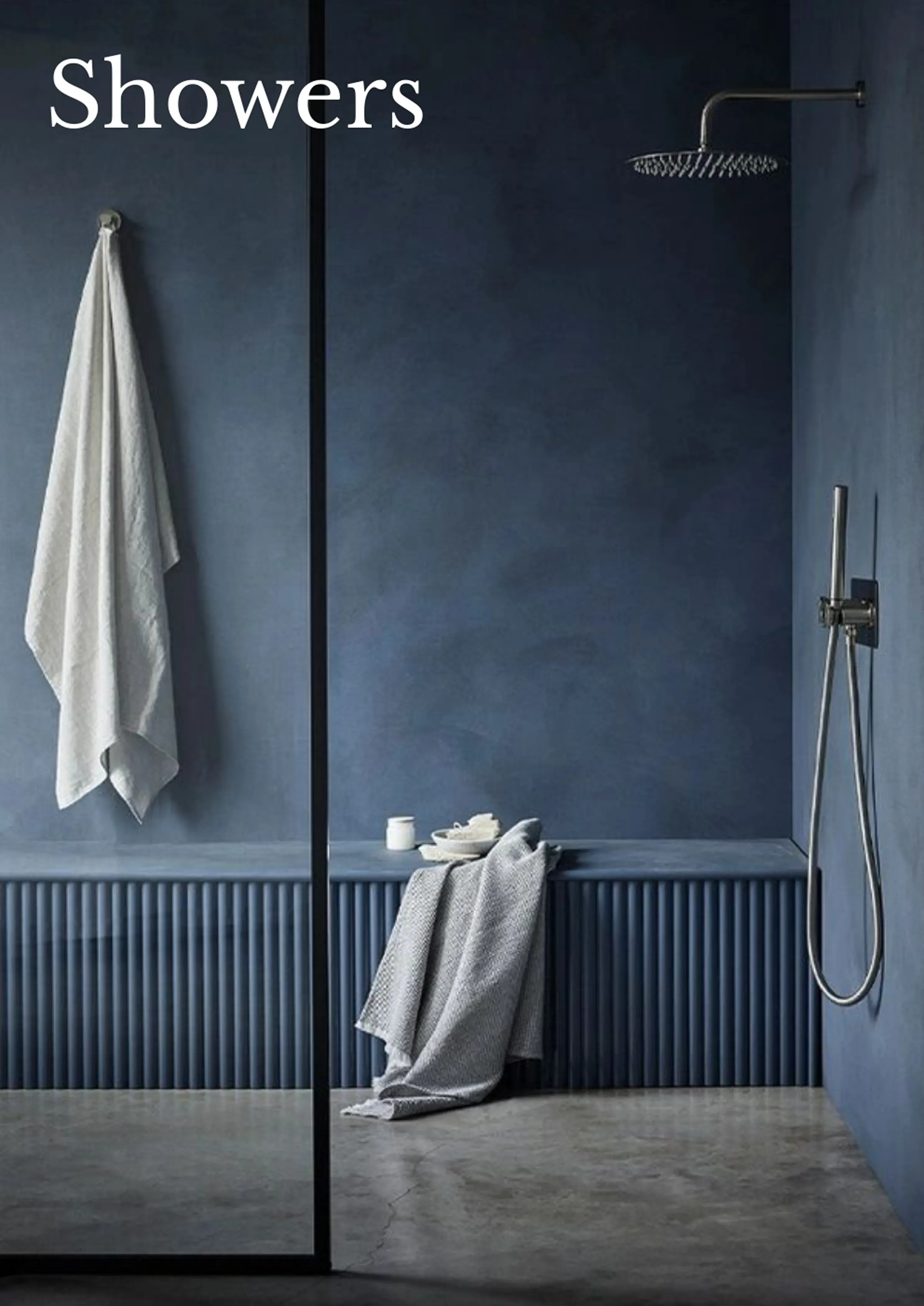
A UK bathroom renovation costs £13,700 to £20,000 inc VAT, typically £15,700. Cost by size and layout, plus the VAT reliefs most people miss.
Yes, you can have a new kitchen by Christmas, if you start now. Here's the real deadline, and why it's tighter than it looks
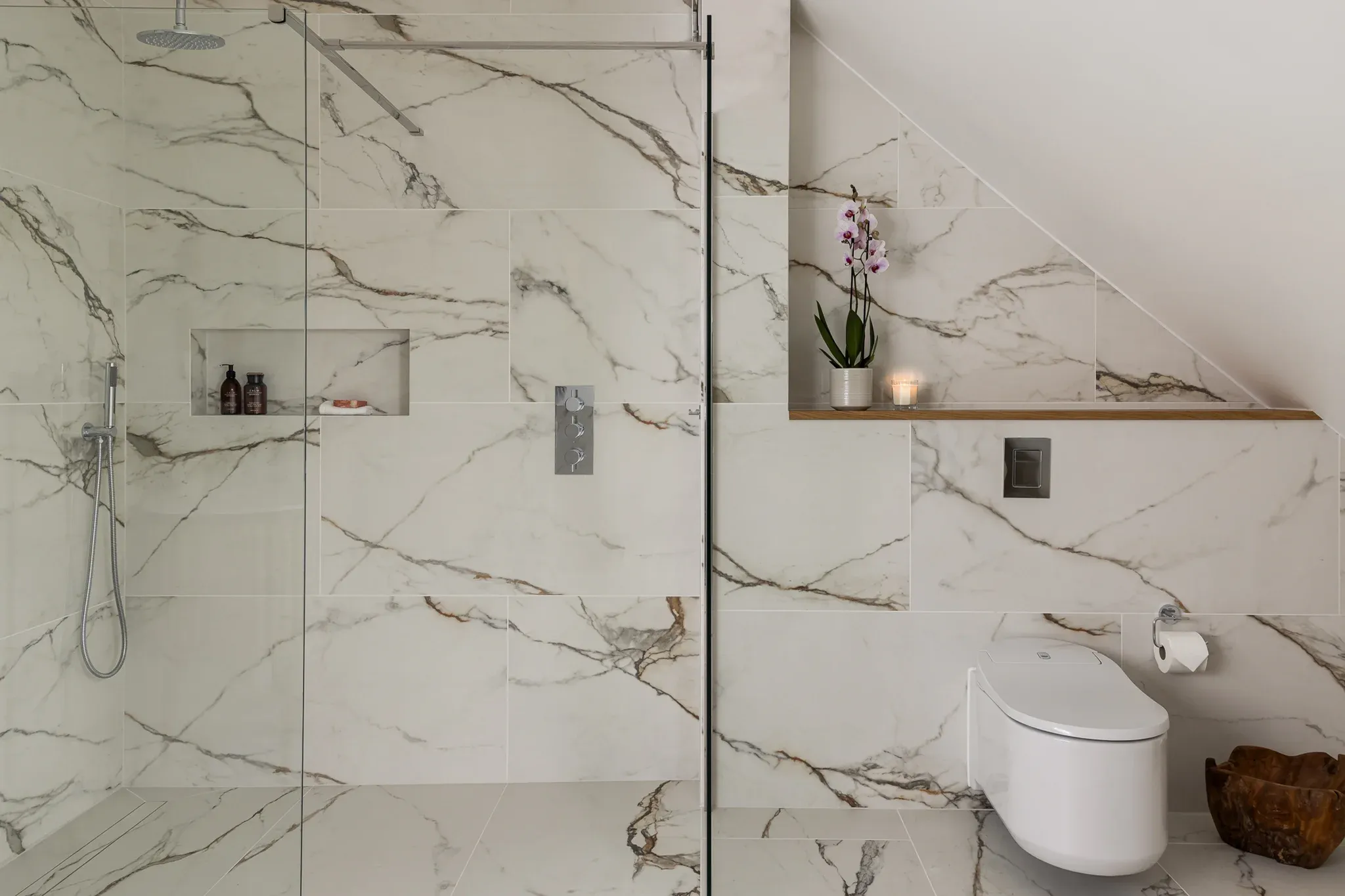
Honest guide to wet rooms in UK homes. See costs, pros and practical tips to decide if this space-saving upgrade suits your bathroom.