
Can you paint the outside of your house in a conservation area?

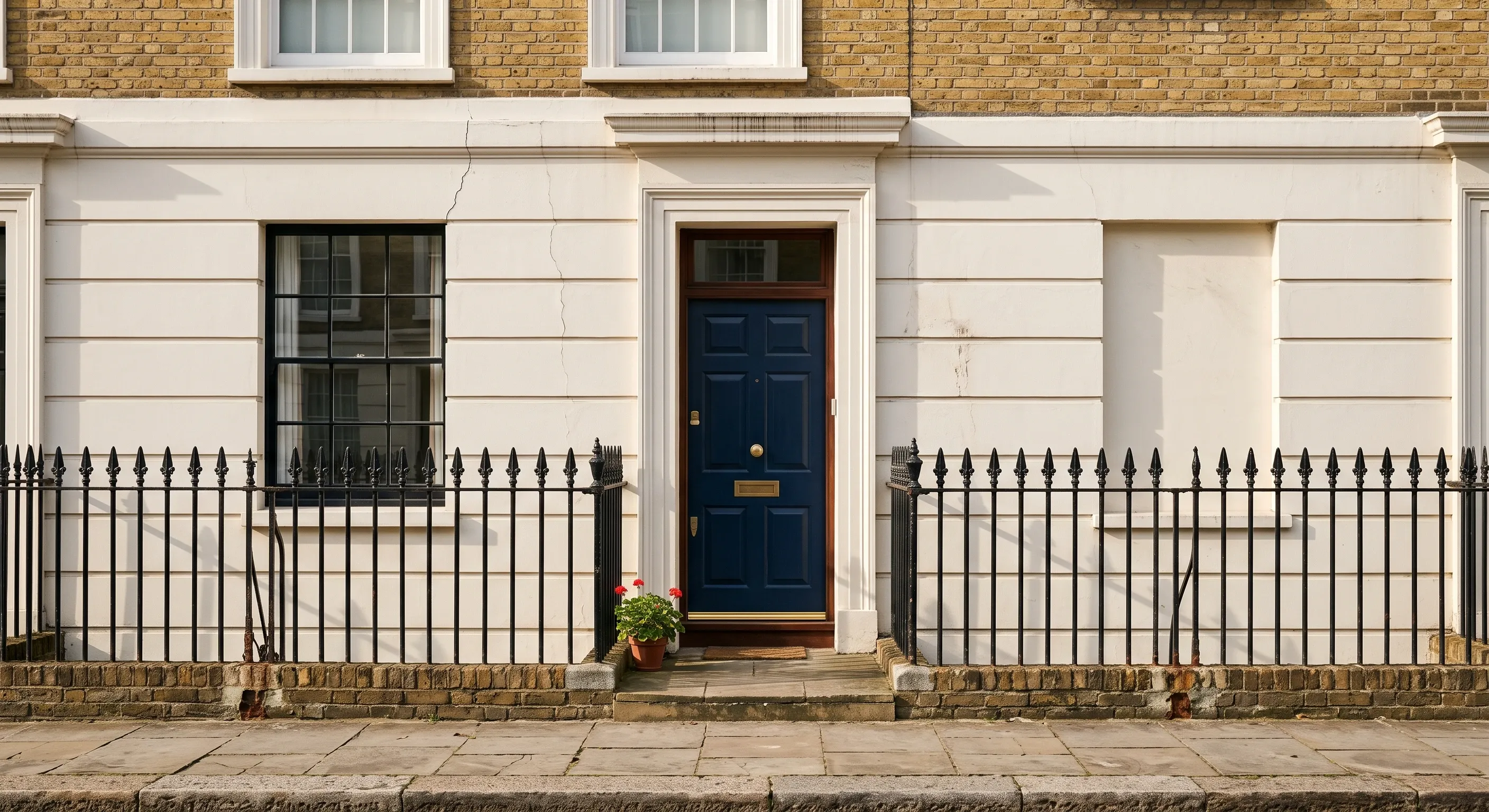
Yes. Painting the exterior of an unlisted house is permitted development under Class C, Part 2, Schedule 2 of the GPDO 2015, and conservation area designation alone does not remove it. Two things do: an Article 4 direction, and listing. Listed building consent is a separate and stricter regime.
Most homeowners get this backwards. They assume the conservation area is the obstacle and the listing is a formality, when in practice the conservation area usually lets you paint and the listing usually doesn't. The harder question is not whether you are allowed to. It is whether painting a solid brick wall will wreck it.
What does the legislation actually say?
Class C of Part 2, Schedule 2 to the Town and Country Planning (General Permitted Development) (England) Order 2015 grants permitted development for "the painting of the exterior of any building or work". There are two qualifications and they are short. C.1 removes the right where the painting is for the purpose of advertisement, announcement or direction. C.2 defines the term: in Class C, "painting" includes any application of colour.
That definition is broader than people assume. Limewash, masonry paint, a pigmented render coating and a colour wash all count as painting. Beyond those two qualifications, the right is unconditional. Unlike the household extension rights in Part 1, Class C carries no size limit, no elevation restriction and no carve-out for protected land. If you want the wider picture on which rights exist and where they stop, what permitted development covers is the place to start.
Why doesn't conservation area status stop you?
Because conservation area designation restricts specific permitted development classes, and exterior painting is not one of them. The London Borough of Wandsworth states it plainly: "Painting the exterior of an unlisted single residential dwelling or HMO is considered to be permitted development and therefore planning permission is not required unless an Article 4 (2) Direction has been introduced within the conservation area which restricts such works." The London Borough of Richmond upon Thames publishes the identical position.
What conservation area status does restrict is the list next to it: raising a roof ridge, front and side extensions, dormers, satellite dishes on the front, and critically the introduction of cladding, including render, to external faces. The Planning Portal puts the same line nationally, confirming you need permission before cladding a house in a conservation area with stone, artificial stone, pebble dash, render, timber, plastic or tiles.
Paint and render are therefore on opposite sides of a hard legal line, and they look similar enough from the street that people conflate them constantly. Painting brick: permitted. Rendering brick and then painting the render: planning permission needed. Both Wandsworth and Richmond also note that changing existing cladding counts, such as going from roughcast to smooth render.
One more trap, and in London it catches a large number of people. Permitted development rights do not apply to flats, or to houses that have been converted into flats. Both boroughs state this directly, which means any external change to a converted Victorian terrace, painting included, needs planning permission regardless of Article 4. If you live in a maisonette in a conservation area, the Class C right is simply not available to you. What conservation area designation actually controls is worth reading alongside this if you are planning anything more than decoration.
What is an Article 4 direction and how do you check for one?
An Article 4 direction is a local order, made under Article 4 of the GPDO 2015, that withdraws a named permitted development right in a defined area. It does not ban the work. It converts the work into something requiring a planning application, which the council then decides on its merits.
Directions covering painting are common in London, and they typically bite on the painting of previously unpainted brickwork or stonework on elevations fronting a highway. That is the distinction to look for in the wording: many directions leave you free to repaint an already painted wall in a different colour, but catch the first application of paint to bare brick. Repairs, maintenance and like-for-like work are usually outside the direction too.
Coverage is patchy and you cannot infer it. Wandsworth has 46 conservation areas and lists Article 4 directions on eight of them, including Dover House Estate, Heaver Estate, Shaftesbury Park Estate and Totterdown Fields Estate. Richmond has 85 conservation areas with its own separate list. Neither borough applies a blanket direction, and both warn that a direction may cover only part of a conservation area or only certain works.
Check three things before you buy paint: whether you are in a conservation area, whether an Article 4 direction covers your address, and exactly which works that specific direction names. Both councils publish an online map for the first, a list of directions for the second, and the direction document itself for the third. If the answer is ambiguous, both recommend a Lawful Development Certificate, which is not planning permission but is formal proof that what you are doing is lawful.
What changes if the building is listed?
Everything. Listing is a separate statutory regime under the Planning (Listed Buildings and Conservation Areas) Act 1990, and it sits on top of the planning system rather than inside it. The Planning Portal's position is that if you live in a listed building you will need listed building consent for any significant works, whether internal or external.
Historic England is specific about painting: "If your house is listed you may need to get permission for external redecoration if this would change the character of the building, for example by painting outside walls if they have never been painted before." Repainting joinery that has always been painted is ordinary maintenance. Putting paint on a never-painted brick or stone elevation changes the character of the building, and that is the test the Act applies.
The consequences are not administrative. Under section 9 of the 1990 Act, carrying out works to a listed building without the consent required by section 7 is a criminal offence, punishable on summary conviction by up to six months' imprisonment or a fine, and on conviction on indictment by up to two years. The court is directed to have regard to any financial benefit that has accrued to the offender. A conservation area breach is a planning enforcement matter. A listed building breach is a prosecution.
Do you need consent to strip paint off brickwork?
Probably, and this is the part almost nobody expects. Removing paint is an alteration, and on a listed building an alteration that affects character needs consent in the same way that applying paint does. The safe working assumption is that paint removal from a listed elevation requires listed building consent, including trial patches, and that you should get the conservation officer's written view before anyone touches the wall.
The physical risk is worse than the regulatory one. Historic England warns that "modern paint can be almost impossible to remove without causing damage" and advises anyone with already-painted walls to seek advice rather than proceed. Historic brick has a dense fired outer skin, and the stripping methods aggressive enough to shift modern film-forming paint tend to take that skin with them. Once it's gone the brick absorbs water freely and spalls in the first hard frost. Abrasive blasting is the usual culprit; low-pressure and superheated-steam systems exist precisely because it is not.
So a decision that looked reversible turns out not to be. Painting a period brick facade is close to permanent, which is the strongest practical argument for not doing it.
Why painting solid brick causes damp
Because a solid wall was built to get wet and then dry out, and paint stops the second half. The SPAB puts the principle simply: old buildings rely on their permeable nature, their breathability, to allow water absorbed by the fabric to evaporate back out, and breathable materials need to be permeable enough for absorbed and surface moisture to evaporate under ordinary drying conditions.
Block that evaporation and the moisture does not leave. It accumulates behind the coating, and the SPAB's evidence on cement render is the clearest illustration: an impervious Portland cement render used in place of a lime-based covering restricts evaporation, is incompatible with the construction of most old buildings, and can cause or accelerate serious decay. A film-forming masonry paint on solid brick does the same job by different means. Historic England reaches the same conclusion from the other direction, warning that painting brick, stone or concrete walls can create damp problems, and that lime render and stucco may need a breathable coating such as limewash that protects the material without trapping moisture in the wall.
This is exactly the argument against cement mortar in a lime-built wall, and it fails the same way. When the joints stop breathing, moisture is forced to evaporate through the brick face instead, and the face is what spalls. Repointing a solid brick wall in lime mortar exists as a specialism for that reason. If your wall has already been cement-pointed and you now paint it, you have closed both escape routes at once.
Pre-1919 London housing stock is overwhelmingly solid-walled. If yours is, the question is not which colour but whether any coating belongs on that wall at all, and if one does, whether it is vapour-open.
If you can paint, how should it be specified?
Get the access priced before the paint. On a London terrace, exterior work needs a scaffold rather than ladders in almost every case, and the scaffold changes both the cost and the programme far more than the choice of paint does. It is also the item most likely to be missing from the cheapest quote you receive.
Then specify the coating rather than the colour. On a solid or lime-rendered wall, the relevant property is vapour permeability, not durability claims, and the decorator should be naming the product and its breathability rather than defaulting to standard masonry paint. Number of coats, preparation, and how the existing surface is being treated all need writing down before anyone prices, which is what how exterior decorating gets specified and scaffolded is for.
Interior work carries the same problem in a smaller form. What painting a room costs shows how far the published figures diverge once nobody has written down what is included.
A last point on colour. Historic England notes that in most cases the choice of colour outside is yours, but that some conservation areas impose specific controls on colour, and that on a listed building a startling colour can itself change the character. Both Wandsworth and Richmond add that even where painting is lawful, they would not encourage painting facades where the predominant character of the area is consistent unpainted brick, stone or terracotta. That is not a rule. It is a signal about how a future application on the same house will be received.
Frequently asked questions
Do I need planning permission to paint my house in a conservation area?
Not normally. Exterior painting is permitted development under Class C, Part 2, Schedule 2 of the GPDO 2015, and conservation area status does not remove it. You will need permission if an Article 4 direction covers your property and names painting, if the building is a flat or a converted flat, or if the building is listed.
Can I paint my brickwork if I am in an Article 4 area?
Only with planning permission. Most directions that cover painting target previously unpainted brick or stone on elevations fronting a highway, so read the specific direction rather than assuming. Repairs and like-for-like maintenance usually fall outside it.
Is painting a listed building illegal?
Painting without the required listed building consent is a criminal offence under section 9 of the Planning (Listed Buildings and Conservation Areas) Act 1990, carrying up to six months' imprisonment on summary conviction and up to two years on indictment. Repainting previously painted joinery is normally maintenance; painting a never-painted elevation is not.
Can I remove paint from my brickwork instead?
On a listed building, assume you need consent and confirm it in writing with the conservation officer first. Historic England warns that modern paint is often impossible to remove without damaging the brick face, so the method matters as much as the permission.
What paint should I use on a solid brick or lime-rendered wall?
A vapour-permeable one. The SPAB's position is that old buildings depend on absorbed moisture evaporating back out, and Historic England recommends breathable coatings such as limewash on lime render and stucco. Standard film-forming masonry paint traps moisture in a wall built to release it.
Find out what your project will cost
Exterior decorating quotes rarely agree, because scaffold, surface preparation and the breathability of the coating are usually left unsaid. Get up to three comparable quotes from vetted London builders, all priced from the same written scope, with the access and the specification set out before anyone puts a number on it.
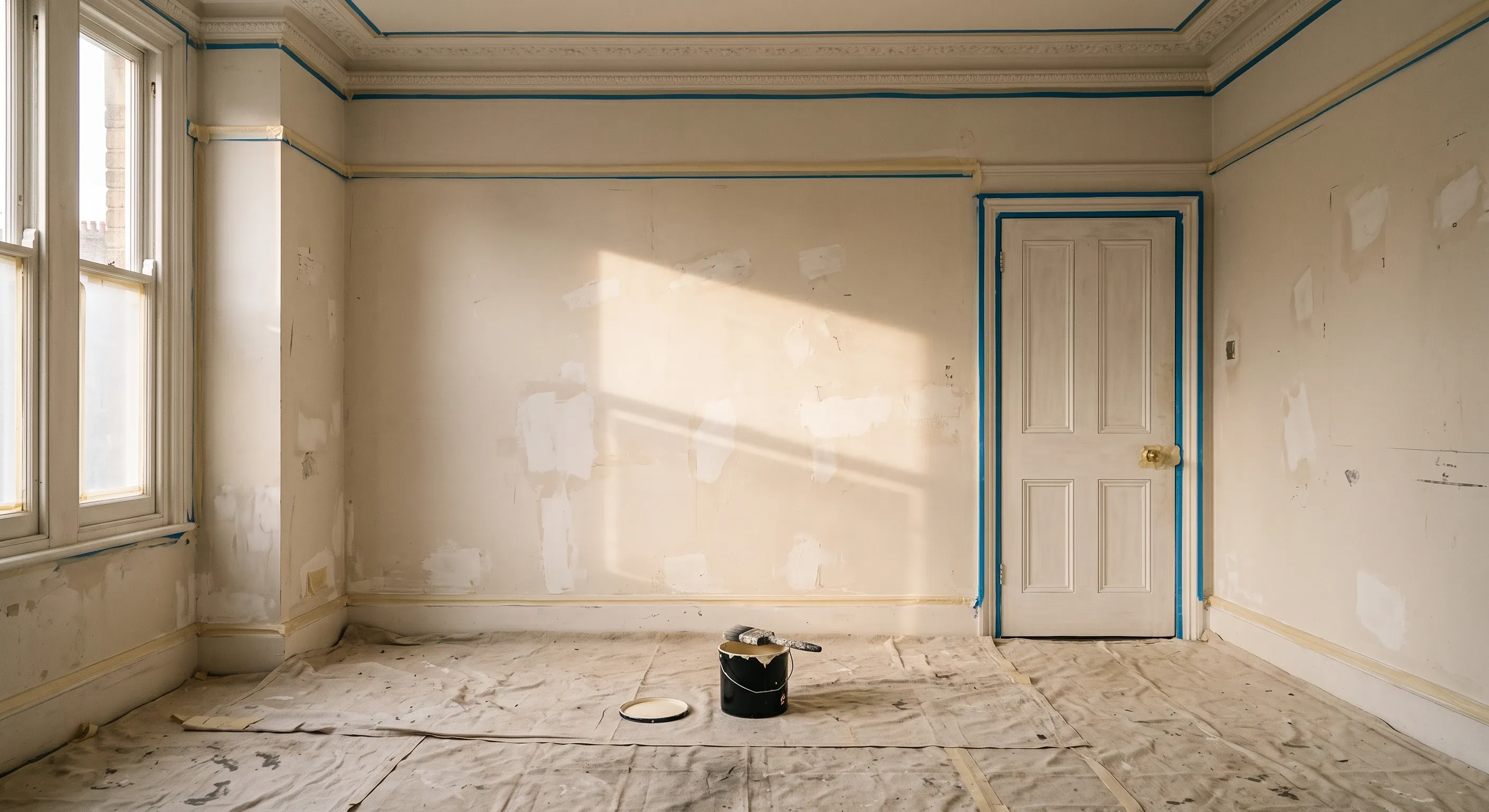
What Checkatrade, MyBuilder and MyJobQuote publish per room, where they contradict each other, and what really moves the price in a London period room.
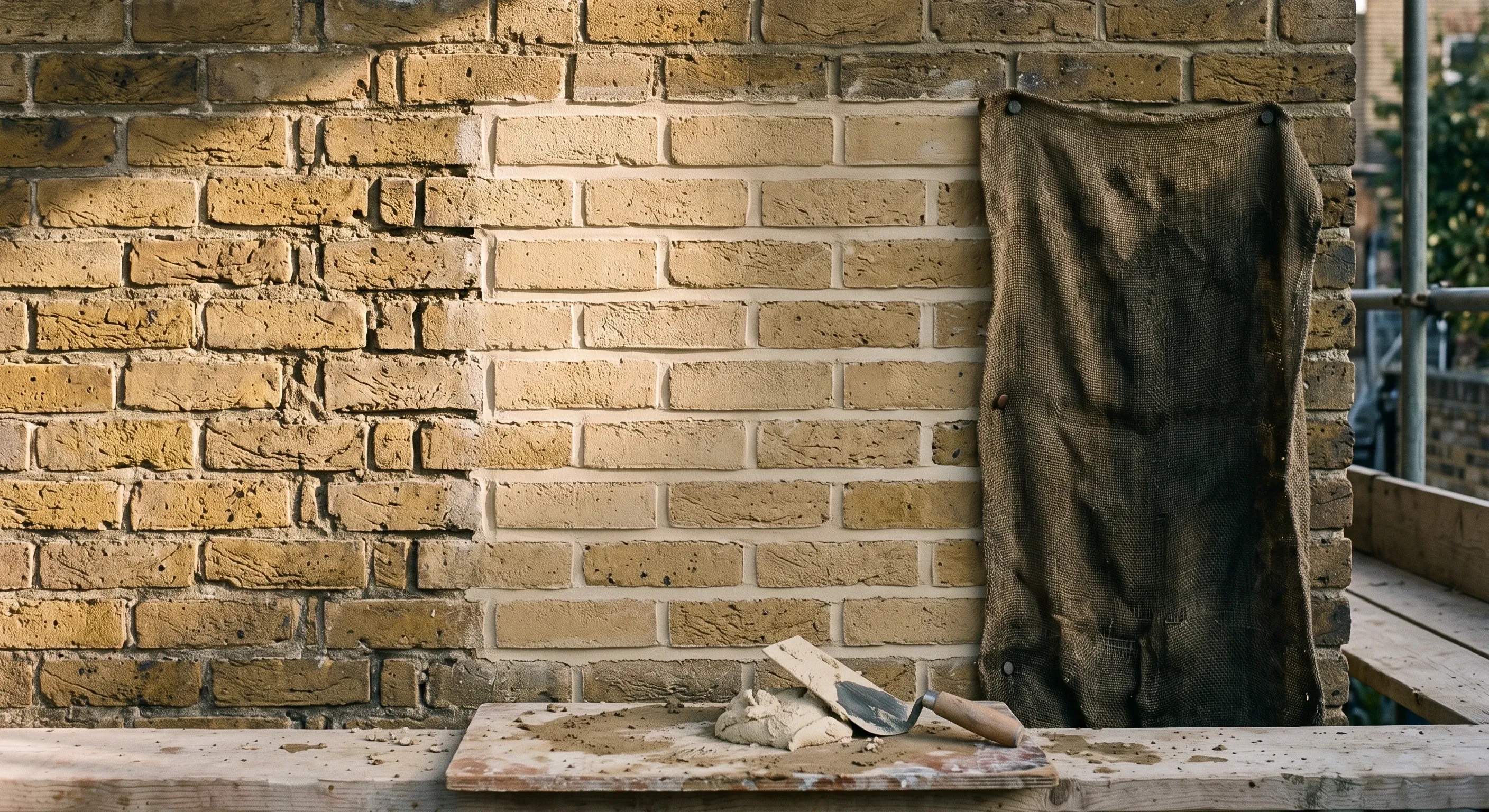
Repointing an unlisted house in a conservation area rarely needs permission. A listed building does, and unauthorised work is a criminal offence.
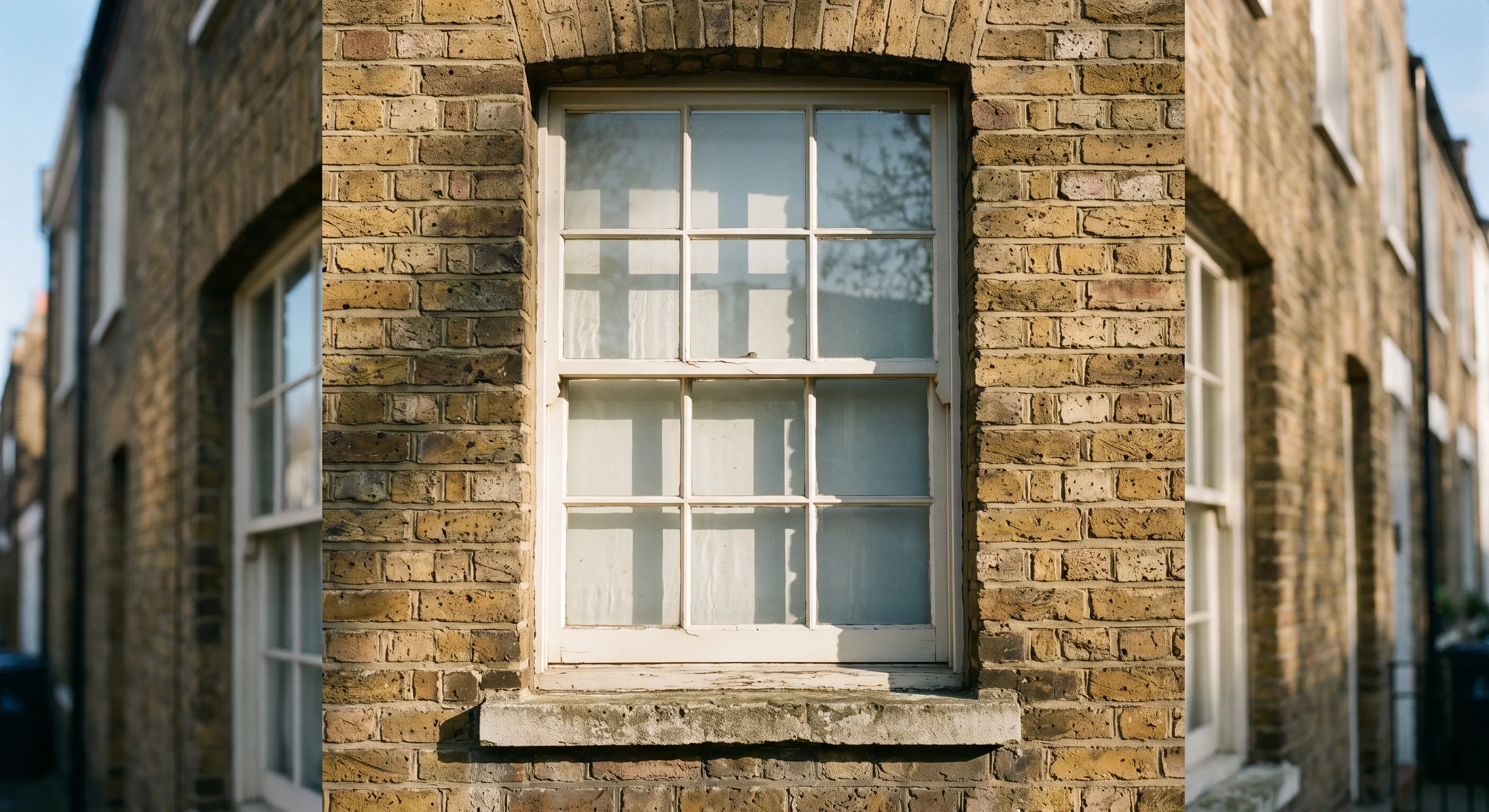
Conservation area, Article 4 direction and listed building consent are three separate things. Work out which applies to your London sash windows.