
Do you need planning permission to replace sash windows in London?

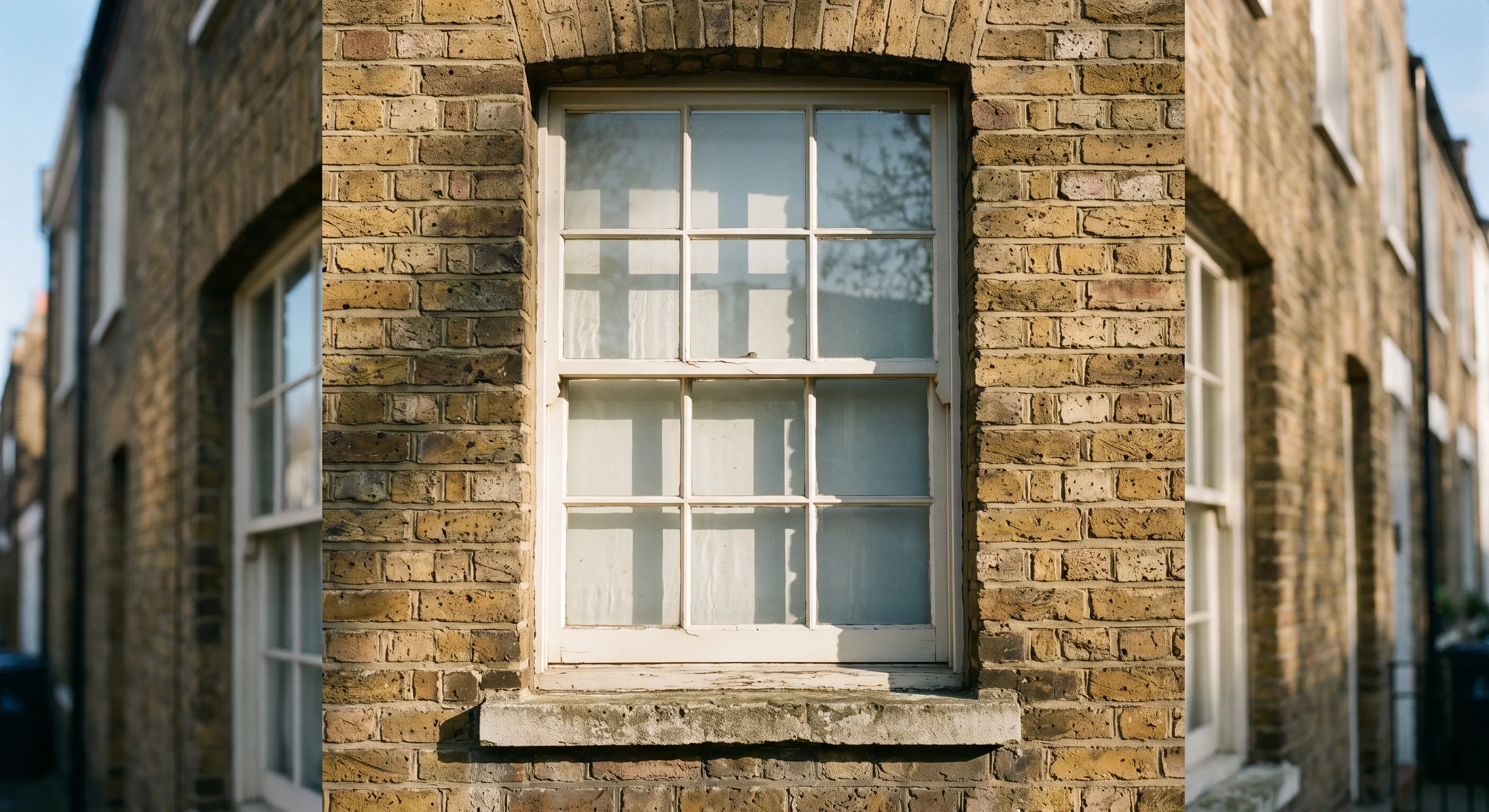
Three different designations decide this, and they are not the same thing. Conservation area status on its own rarely stops a like-for-like timber sash replacement. An Article 4 direction does, and most inner London boroughs have one. Listing requires listed building consent for any change at all. Check which applies before you spec anything.
Most guides stop there, which is where people get caught. The rules move. On 23rd Oct 2025 the Royal Borough of Kensington and Chelsea confirmed a Local Development Order that expressly overrides its own Article 4 directions on windows, so in RBKC a like-for-like replacement on an unlisted home now needs no application at all. Two miles east in Islington, the same job needs a full householder application. Same city, same window, opposite answer.
What is the difference between a conservation area, an Article 4 direction and listed building consent?
Different triggers, different application routes, different penalties. Conservation area status is an area designation made by the council. It restricts cladding, some side extensions and larger roof alterations, but it does not by itself remove your right to alter windows on a house. An Article 4 direction is a separate instrument that strips out a named permitted development right, usually Class A of Part 1, Schedule 2 of the GPDO 2015. Listing is a national designation attached to a single building, and it bites on anything affecting the building's special interest, inside and out.
There is a fourth thing going on underneath all of it. Under section 55(2)(a) of the Town and Country Planning Act 1990, works that do not materially affect the external appearance of a building are not development, so they need no permission from anyone. A genuine like-for-like timber sash, same profile, same pane layout, same material, often falls outside the planning system entirely. Change the material, thicken the frame or swap single glazing for double, and you have materially changed the appearance. That is the line councils police.
Conservation area | Article 4 direction | Listed building | |
|---|---|---|---|
Trigger | Council designation of an area | Separate direction over a defined area or street | National designation of one building |
Effect on windows | Usually none on its own | Removes the Class A right, so alterations need permission | Any change affecting special interest needs consent |
What you apply for | Nothing, if like-for-like | Householder planning application | Listed building consent, plus planning permission if the work is also development |
Fee | None | £548 in England from 1st Apr 2026 (Planning Portal fee schedule, no VAT on statutory fees) | Listed building consent carries no fee |
Getting it wrong | Enforcement notice | Enforcement notice | Criminal offence under section 9 of the Planning (Listed Buildings and Conservation Areas) Act 1990 |
One trap catches flat owners specifically. Part 1 of Schedule 2 applies to dwellinghouses, and a flat is not a dwellinghouse, so flats have never had these rights in the first place. If you own a London flat, an Article 4 direction is irrelevant to you because there was nothing there to remove. It also means permitted development rights are the wrong frame for your project. Anything that materially changes the look of your windows is a planning application from the start.
Which London boroughs have Article 4 directions on windows?
Kensington and Chelsea, Westminster, Camden, Hackney, Islington and the Bedford Park area of Hounslow all appear repeatedly. Islington is the starkest: the council has removed permitted development rights in 40 of its 42 conservation areas, which in practice means almost any external alteration in the borough's period streets needs a full application. Camden applies blanket directions across residential properties in its conservation areas. Hounslow's directions cover Bedford Park and Gunnersbury Park, and specifically list windows, doors, roofing and boundary treatments.
Do not treat that list as a map. Article 4 directions are area-specific and sometimes street-specific, they are made and revoked on the council's own timetable, and two houses on the same road can sit either side of a boundary. Islington's Poets Road conservation area, for example, is only now being brought into the net. Every borough publishes an Article 4 map and a schedule of the directions in force, and that page, not a window company's blog, is the thing to check. If you are unsure how designation affects the rest of the job, what conservation area status controls beyond the windows sets out the wider picture.
Has Kensington and Chelsea really dropped the requirement?
For unlisted homes, yes. The Replacement Windows in Residential Properties Local Development Order, made under section 61A(2) of the Town and Country Planning Act 1990 and confirmed on 23rd Oct 2025, applies across the whole borough including conservation areas, and states that it overrides any Article 4 direction currently in force for the development it permits. It covers houses, flats and houses in multiple occupation. There is no fee and no requirement to notify the council.
The conditions are tight, and they are the interesting part. The new window must be of similar appearance to the existing one, which RBKC defines in its Householder's Guide to Windows as the same material, style, pattern and design with minimal differences in frame dimensions and glazing bar profiles. You may replace uPVC with timber. You may not replace timber with uPVC. Listed buildings, conservatories, rooflights and doors are all excluded, as is adding reflective film or mirrored glass. And it permits replacement only, so enlarging an opening still needs permission. RBKC went further in 2026: a Local Listed Building Consent Order made on 20th Mar 2026 lets owners of Grade II listed buildings in the Queen's Gate, Pembridge and Holland Park conservation areas fit slimline double glazing into one-over-one and two-over-two sashes where the existing glass is machine-made float, subject to evidence being submitted first.
Nowhere else in London has done this yet. Which is exactly why you check your own borough.
What does listed building consent actually cover on a sash window?
Less than most people fear, and more than most people expect. Historic England is explicit that careful repairs by piecing in matching timber, replacing rotten cills and renewing broken sash cords with cords of the same material do not affect special interest and therefore need no consent. Replacing broken panes with modern float glass is usually fine too, though early glass should be retained where it survives. Self-adhesive draught-proofing strips need no consent. Reversible secondary glazing generally needs none either, the exceptions being where fixing it would damage the frame, panelling or shutters.
What does need consent is replacement, and any insertion of double or triple glazing into a historic window. Historic England's position in HEAG039, Traditional Windows: Their Care, Repair and Upgrading, is that where historic windows contribute to significance they should be retained and repaired, and replaced with accurate copies only if beyond repair. Slim-profile double glazing may be acceptable where the window has already lost its historic glass, but Historic England flags the compatibility problem head on: fitting thicker glazing can force renewal of the frame itself, which harms the thing the consent was meant to protect. SPAB takes the same line, that upgrading is nearly always preferable to replacement and replacement is the last resort.
How long does an application take, and what will it cost?
Eight weeks is the statutory period for both a householder planning application and listed building consent, running from the day after the council validates it. The householder fee in England is £548 from 1st April 2026, up 3.8% from £528, with no VAT because statutory planning fees sit outside the scope. Submitting through the Planning Portal adds a service charge of £75.83 plus VAT. Listed building consent is free, but most listed window jobs need planning permission as well, so budget for both.
Pre-application advice is where the time is actually won, and it is chargeable. RBKC's 2026 to 2027 householder rates are £587 including VAT for written advice within four weeks, or £714 including VAT for written advice plus a meeting within five weeks. That buys you a conservation officer's view on your proposed profile before you have paid a joiner to draw it. If the council misses the eight weeks, you can agree an extension in writing, appeal for non-determination, or claim the planning guarantee, which refunds the fee if a non-major application is still undetermined after 16 weeks. Councils are entitled to refuse where an applicant has caused deliberate delay and refused an extension, so agree one if asked.
What will a conservation officer accept on glazing bars and spacer bars?
True divided lights, slim sightlines and a spacer that does not read as a silver stripe from the pavement. Applied glazing bars, the kind stuck to the face of a single sheet of glass, are routinely refused, because a genuinely divided sash breaks the reflection into separate planes and a stuck-on grid does not. Historic England's fifth principle in HEAG039 makes the point directly: where multi-paned windows are proposed, individually glazing each pane to reproduce broken reflections should be considered, and on a building of high aesthetic value the impact on the whole elevation matters, not just one window.
The numbers that decide it are small. Slim-profile units run roughly 10mm to 14mm overall against 24mm to 28mm for a standard double glazed unit, which is what allows them into a traditional glazing bar of around 22mm without fattening it. Warm-edge spacer bars are available down to about 3mm, and officers generally want them dark rather than bright aluminium. Get the unit thickness wrong and the joiner has to deepen the rebate, the bar grows, the sightline coarsens, and the application fails on a detail nobody mentioned at quote stage. This is the single most common reason a technically compliant proposal gets refused.
How the consent position decides which route you can take
There are four routes, and your designation removes some of them before you have chosen anything. Full overhaul with draught proofing is available everywhere, with no consent needed in any of the three scenarios. Slim-profile retrofit into existing sashes is open in most conservation areas and sometimes in listed buildings, but only where historic glass has already gone. New double-glazed sashes into the original boxes keeps the frame and is the usual compromise under an Article 4 direction. Full renewal of box, sashes and all is the hardest to consent and the easiest to sell you.
That is the reason the answer you get depends on who you ask. A restoration firm will steer you to overhaul, a replacement firm to renewal, and both will be sincere. The useful exercise is having overhaul, retrofit and replacement priced side by side against the same written scope, then choosing on evidence rather than on whichever specialism knocked on your door first.
Consent only tells you which routes are legally open. It says nothing about which of them will make the room warmer or quieter, and the ranking there is not the one most people assume. That is a separate argument, and we have set it out in full: which upgrade actually makes a sash window warmer.
What happens if you replace them without permission?
The council serves an enforcement notice requiring you to take the windows out and do it again properly, at your cost. The time limit for that used to be four years for building work. It is now ten. Any breach committed on or after 25th April 2024 is only immune after ten years, following the Levelling Up and Regeneration Act, and demolition in a conservation area and deliberately concealed work have no time limit at all. A decade is long enough to cover a sale, which is where it usually surfaces, in a buyer's conveyancing enquiries.
On a listed building the exposure is different in kind. Unauthorised works are a criminal offence under section 9 of the Planning (Listed Buildings and Conservation Areas) Act 1990, not merely a planning breach, and there is no time limit on prosecution. It attaches to whoever carried out the work, which can include the builder. Anyone quoting you for listed building work who shrugs at consent is telling you something useful about how they run a job. Bedford Park is a good example of how tightly this is policed, and it is one of the reasons renovation work across west London tends to carry a longer pre-construction phase than clients expect.
Frequently asked questions
Do I need planning permission for like-for-like sash windows in a conservation area?
Usually not, if there is no Article 4 direction and the building is not listed. A genuine like-for-like replacement in the same material, profile and pane layout does not materially affect the external appearance, so it is not development under section 55(2)(a). Check the borough's Article 4 map first, because in inner London the odds are against you.
Can I put double glazing in a sash window in a conservation area?
Often yes, using slim-profile units of roughly 10mm to 14mm. Approval turns on whether the existing frame can take the unit without being deepened, and on the spacer bar reading discreetly. Where the frame would have to grow, expect a refusal.
Does secondary glazing need planning permission or listed building consent?
Generally no, on both counts. It sits inside the existing window and is reversible, and Historic England advises that installing secondary glazing does not normally need listed building consent unless fixing it would damage the frame, panelling or shutters.
Who pays if the council makes me put the old windows back?
You do. An enforcement notice runs against the owner, not the firm that fitted them, and the ten-year window means a future buyer's solicitor can raise it long after the job is forgotten.
How do I find out whether my property is listed or covered by an Article 4 direction?
Listing is on Historic England's National Heritage List for England. Article 4 directions are published by each borough on its own planning policy pages, usually with a map and a schedule. Both are free and take minutes.
Find out what your project will cost
Your consent position decides which of the four sash window routes is even available to you, and most firms only quote for the one they sell. Get up to three comparable quotes from vetted London builders, all priced from the same written scope.
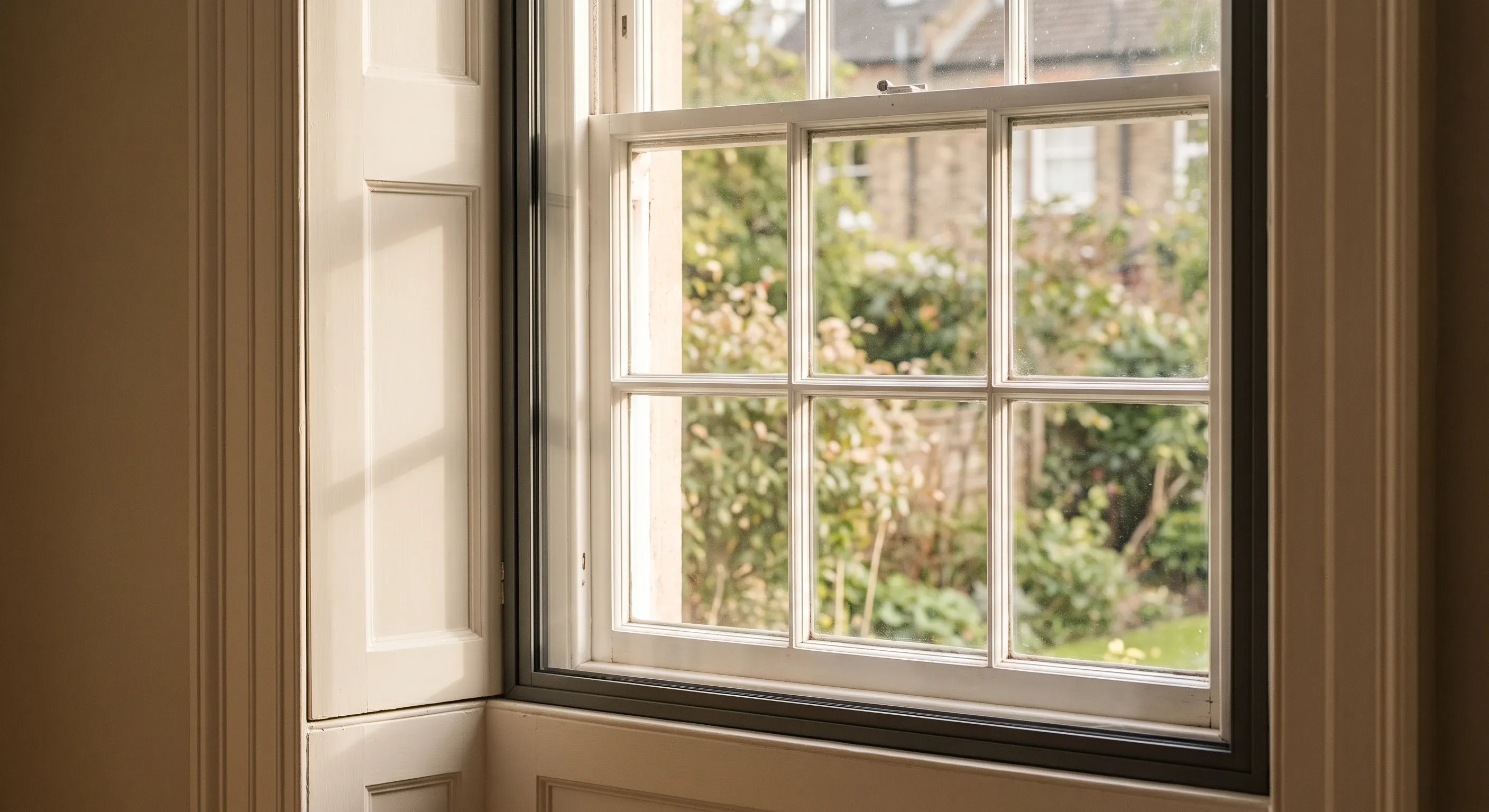
Draught proofing, secondary glazing, slim double glazing or new sashes. What each one does for heat, noise and consent on a London sash window.
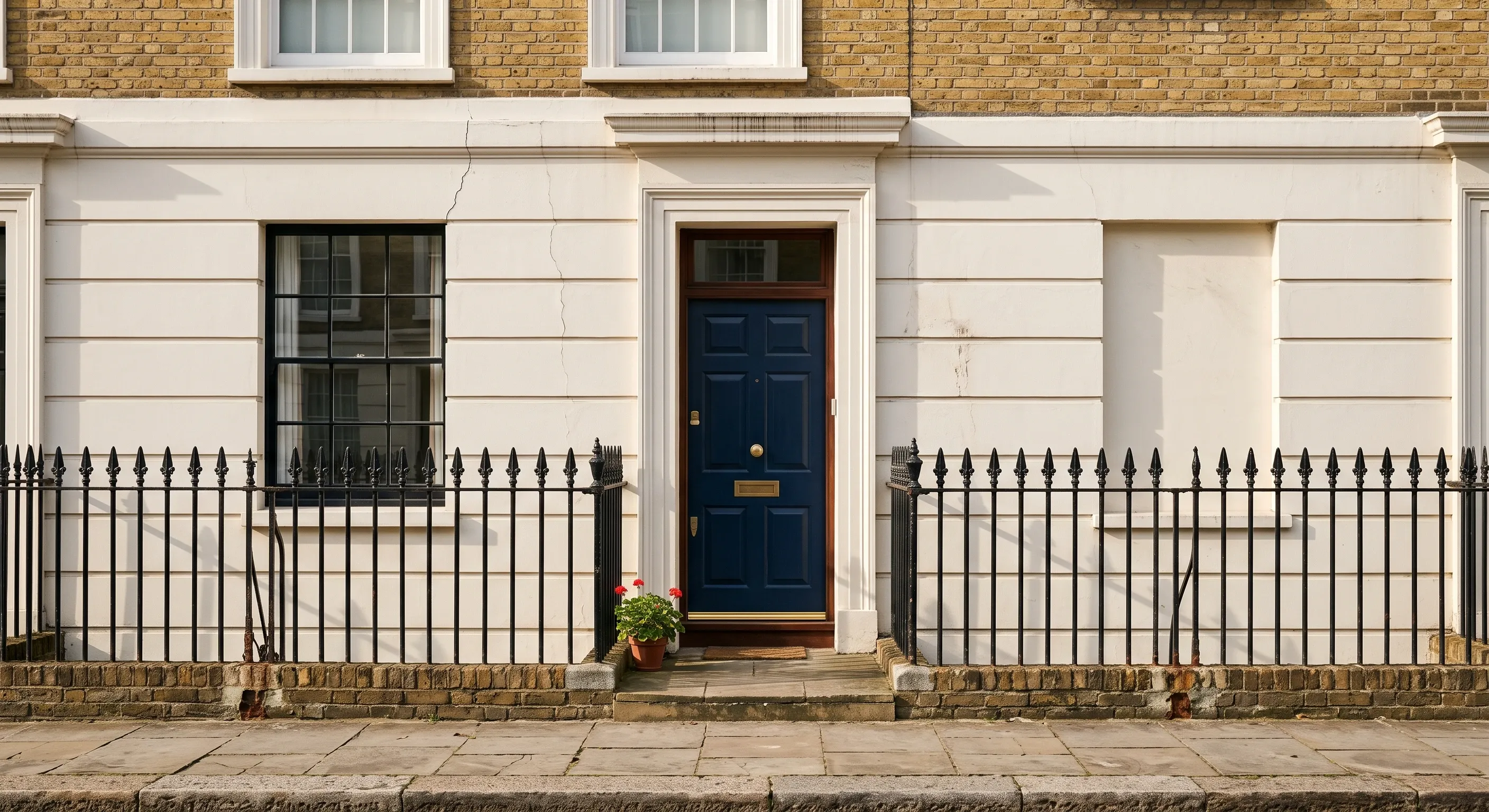
Exterior painting is permitted development under Class C of the GPDO. An Article 4 direction removes that, and listed building consent is stricter still.
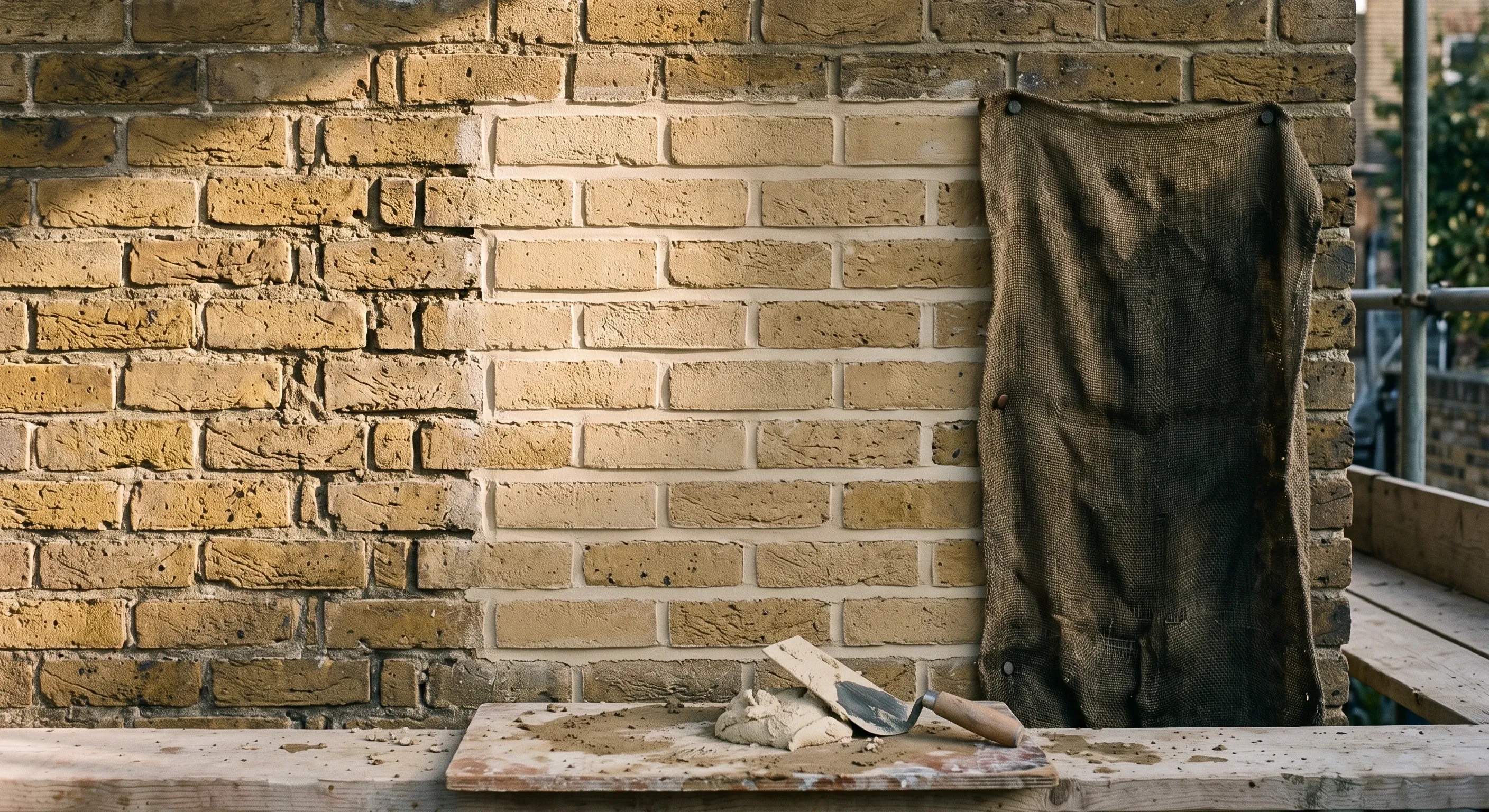
Repointing an unlisted house in a conservation area rarely needs permission. A listed building does, and unauthorised work is a criminal offence.