
How long does a basement conversion take in the UK?

A basement conversion typically takes between 6 weeks and 12 months on site, depending entirely on the type of project. A simple cellar fit-out is at the lower end. A full new basement excavation under a London terrace is at the higher end — and that is before the planning, party wall and structural stages that happen before work even begins.
Understanding the full timeline — not just the on-site build time — is essential for planning your project around your family, your finances and your neighbours.
If you are based in London, see our basement conversions page.
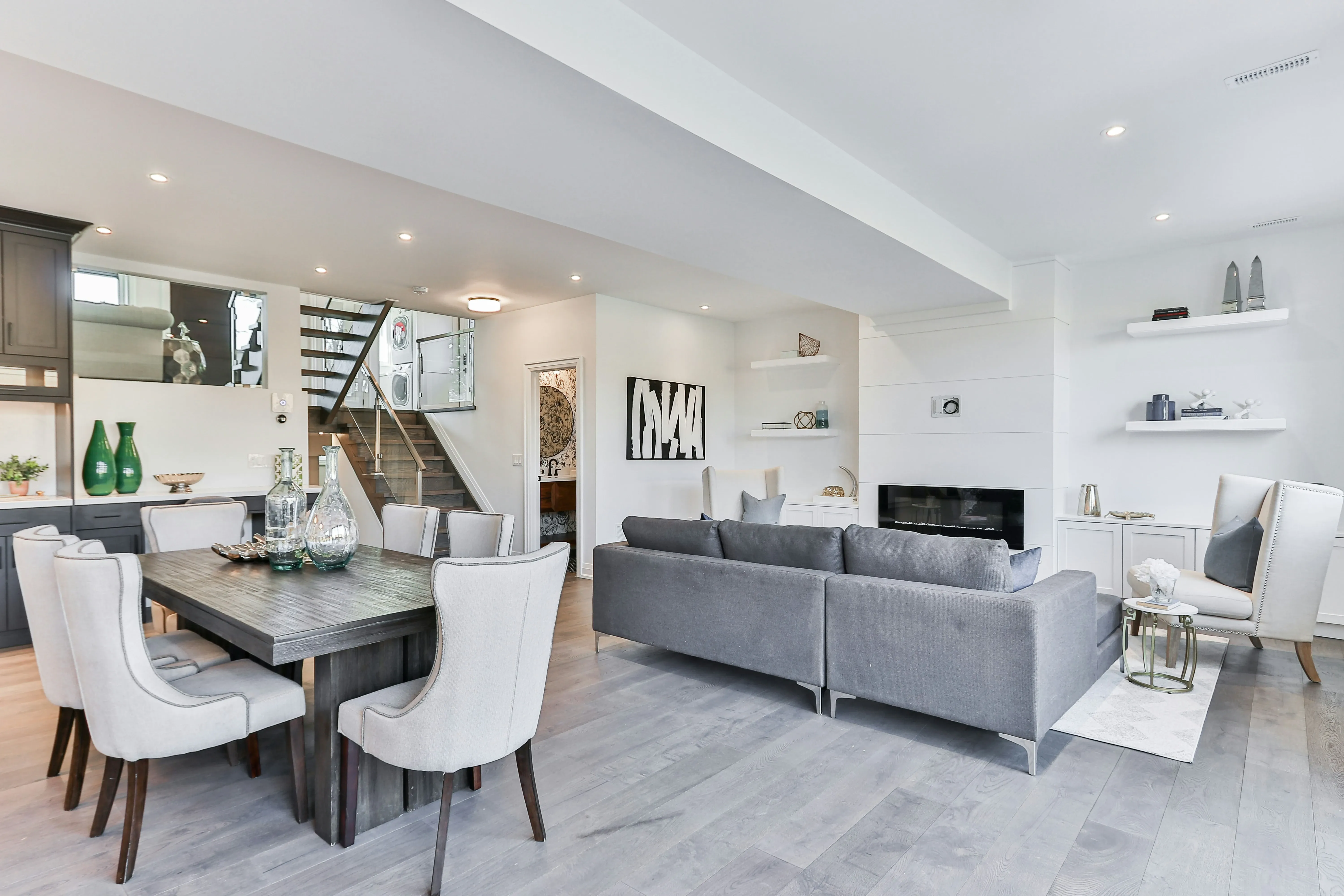
On-site build times by project type
These are typical on-site durations once your builder has started work.
Cellar conversion (existing cellar, no structural changes)
6–8 weeks. Waterproofing, insulation, first fix electrics and plumbing, plastering and basic finishing. The simplest and quickest basement project.
Basement lowering and underpinning
3–6 months. Underpinning the walls, lowering the floor, installing a new slab and waterproofing all take time and must be done in strict sequence. Structural sign-off is required at each stage before the next begins. Concrete and waterproofing materials typically need at least 28 days to fully cure before further construction can proceed.
New basement excavation
9–12 months. The most time-consuming project type. Underpinning the foundations, excavating and removing soil (often by hand in London), constructing retaining walls, waterproofing and building out the space all involve significant labour and sequential work that cannot be accelerated. Structural inspections at each stage add to the timeline.
These timelines assume no significant delays from ground conditions, weather or unforeseen structural issues. Your builder gives you a project timeline before work begins, and is contracted to it.
For a full cost breakdown by type, see our guide to how much a basement conversion costs.
What happens before work starts
On-site build time is only part of the total timeline. The following stages typically need to happen before your builder starts.
Initial estimate and builder matching: 1–2 weeks
Your planner gives you a free estimate range, then Beams matches you with vetted builders who visit the property and produce detailed fixed-price quotes.
Structural survey and engineer appointment: 2–4 weeks
A structural engineer must assess the existing foundations, ground conditions and water table before design work begins. For new excavations, a full structural design package is required before planning can be submitted. Don't skip this step — it is the foundation of everything that follows.
Planning permission (if required): 8–16 weeks
Simple cellar conversions with no external changes sometimes don't require planning permission, though London boroughs are increasingly scrutinising even these. Basement lowering, new digs, lightwells and any external changes almost always require a full planning application.
Many London boroughs have specific basement policies that require additional supporting documents — structural method statements, drainage impact assessments and sometimes geotechnical reports — which can extend the preparation time before you even submit. When you are working out how long a planning decision takes, factor in 8–16 weeks from submission to decision, plus time to prepare the application.
Party Wall process: allow two to three months for the whole process
The Party Wall Act 1996 applies to almost every London basement project. Because a basement usually underpins a shared wall as well as excavating near a neighbour's foundations, written notice must be served at least one month before excavation begins. If a neighbour dissents, a Party Wall Award is needed — this is agreed within the same notice period in straightforward cases, but contentious cases run longer.
This is consistently the most underestimated part of the basement conversion timeline, especially where you are dealing with party walls in a London terrace. Starting the Party Wall process as early as possible — ideally as soon as you have appointed your structural engineer — is one of the single most effective things you can do to protect your programme.
Building Regulations: concurrent with design
Building Regulations approval is always required for all basement excavation and structural work. Your structural engineer submits calculations and drawings to the local authority building control department. Inspections take place at key structural stages throughout the build.
Waterproofing design: concurrent with structural design
Under BS 8102:2022, the waterproofing system for a habitable basement must be designed by a qualified specialist — a CSSW (Certificated Surveyor in Structural Waterproofing) or a structural engineer with specialist experience. This should happen during the design stage, not be left to the builder to decide on site. Getting it right early prevents costly remediation later.
Design and fit-out specification: 4–8 weeks
Layout, finishes, bathroom or kitchen specification and materials selection. Making all design decisions before work starts is one of the most effective ways to protect your timeline — late decisions during the build cause delays and sometimes cost overruns.
What causes basement conversion delays
Most delays in basement conversions are avoidable when the project is properly planned before work starts. Common causes include:
- Party Wall disputes — contentious neighbours can extend the Party Wall process significantly. Serving notices early and briefing neighbours beforehand is the best protection.
- Planning complications — borough-specific basement policies, conservation area requirements, flood risk assessments or planning conditions requiring amendments all extend timelines beyond the standard determination period.
- Unforeseen ground conditions — unexpected obstructions (old foundations, tree roots, drainage, buried walls), a higher water table than anticipated, or contaminated ground all add time and cost. This is why a thorough structural survey before committing to a project type matters so much.
- Waterproofing specification errors — if a system is wrongly specified for the ground conditions, or installed by a contractor without specialist experience, remedial work is expensive and disruptive. A CSSW-designed system and builders with demonstrable basement experience are the best protection.
- Late design decisions — finishes, bathroom or kitchen specifications that aren't confirmed before the build starts cause delays and sometimes abortive work. Make all decisions during the design stage.
- Concrete curing — new floor slabs and waterproofing systems need adequate curing time before the next stage proceeds. This is not a delay but a structural requirement — factor it into the programme from the start.
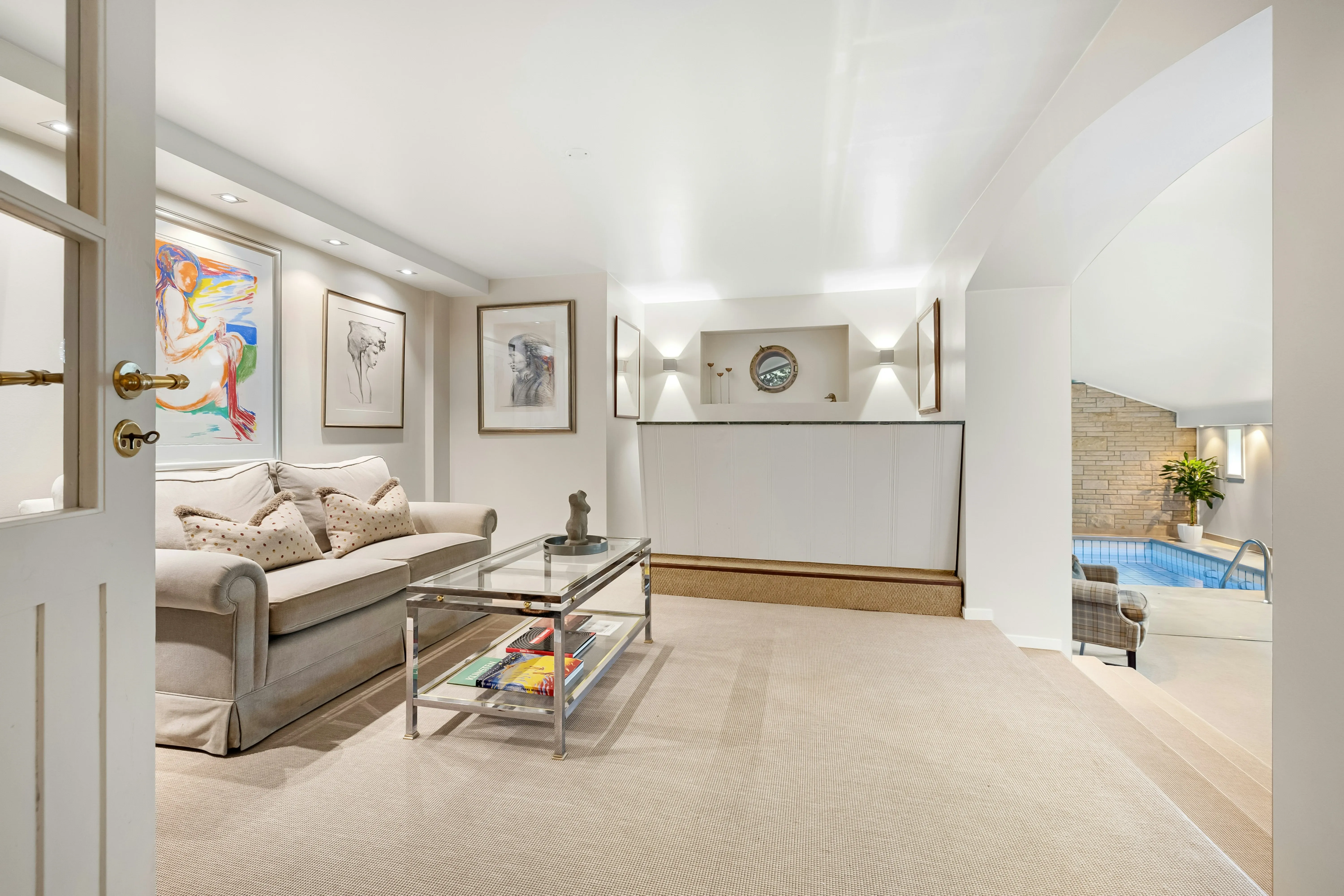
Can you live at home during a basement conversion?
For a simple cellar conversion, usually yes. The work is largely contained to the basement level and access disruption is manageable.
For a lowering or new excavation project, living at home during the most intensive phases is more difficult. Significant structural work, heavy plant access where it's possible, removal of large volumes of spoil, vibration, noise and dust at ground floor level can make the property deeply uncomfortable — and in some cases impractical — to live in during the structural phase. Many homeowners choose to move out temporarily during excavation and underpinning, returning for the fit-out stage.
Your builder discusses the specifics with you before work starts and advises on the most disruptive phases.
For a full guide to planning your project, including planning permission, the Party Wall Act and choosing the right builder, read our renovator's complete guide to planning permission.
Ready to start planning your basement conversion?
Beams matches London homeowners with vetted builders who specialise in basement and cellar conversions. Get a free estimate and a clear timeline for your specific project — no commitment, no sales pressure.
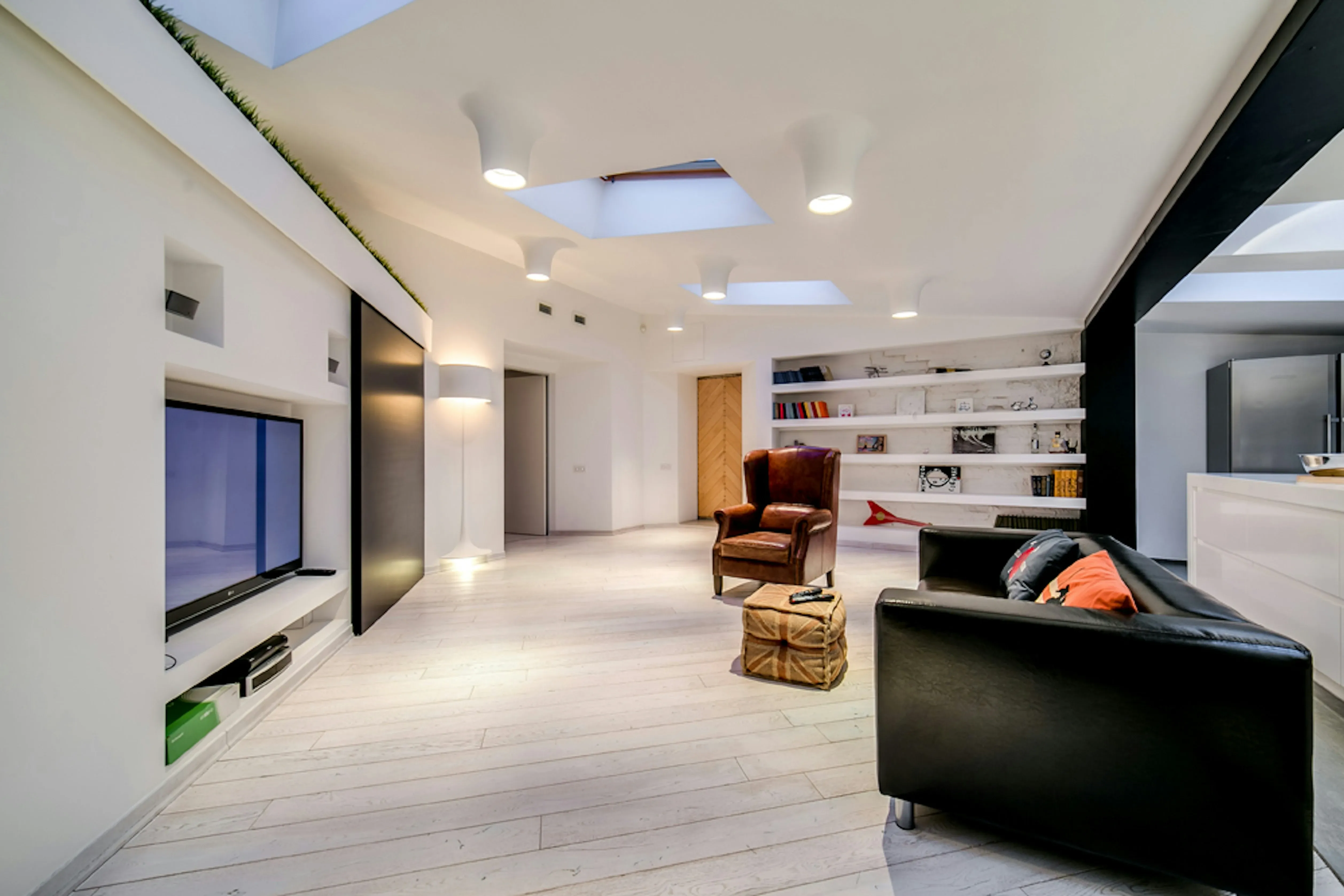
A cellar conversion costs £1,080 to £1,680 per m² inc VAT. A new London basement runs £7,200 to £12,000. Which of the three projects you have decides everything.
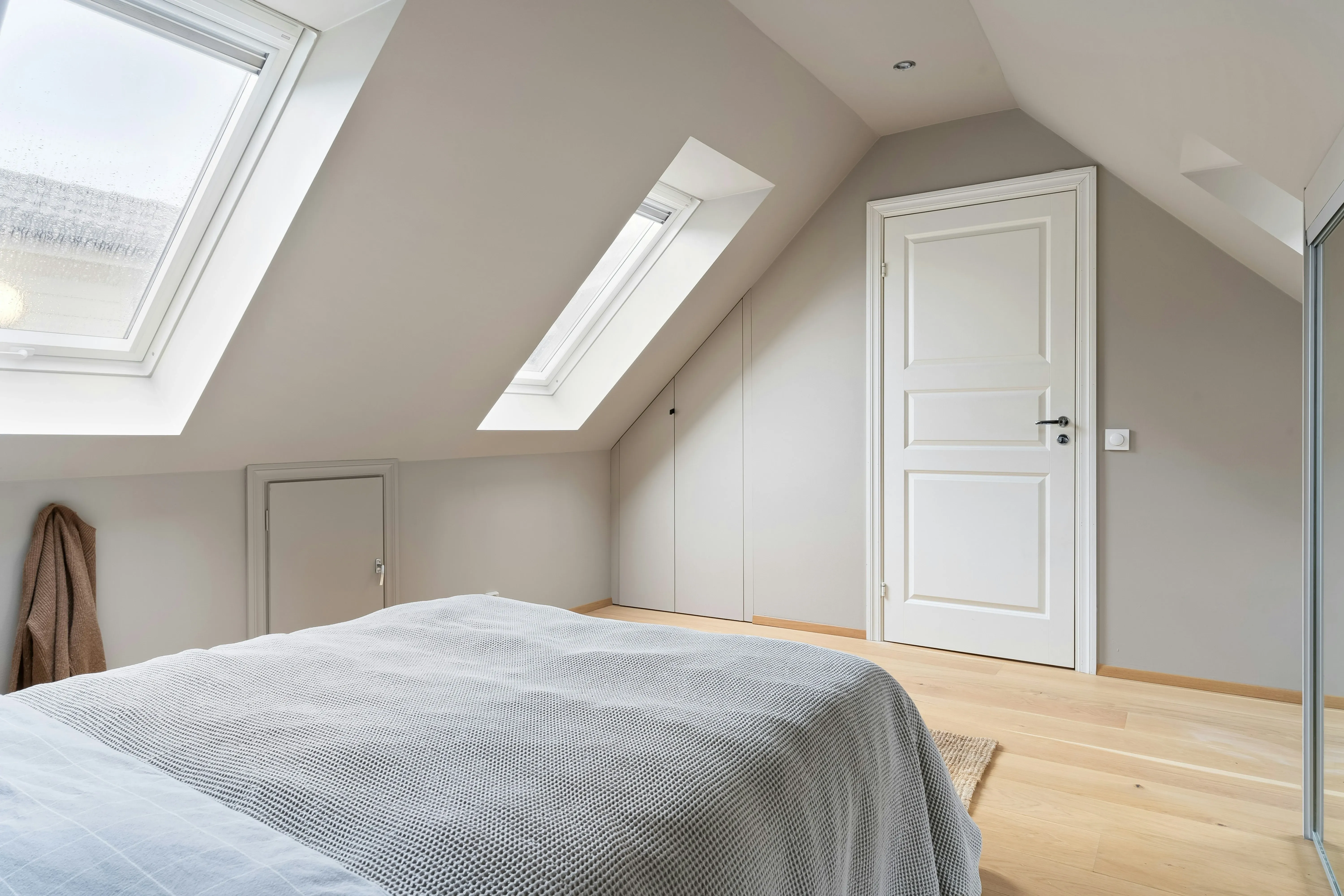
Loft conversion timelines by type — from 4 weeks for a Velux to 12 weeks for a mansard. Plus what happens before work starts and what causes delays.
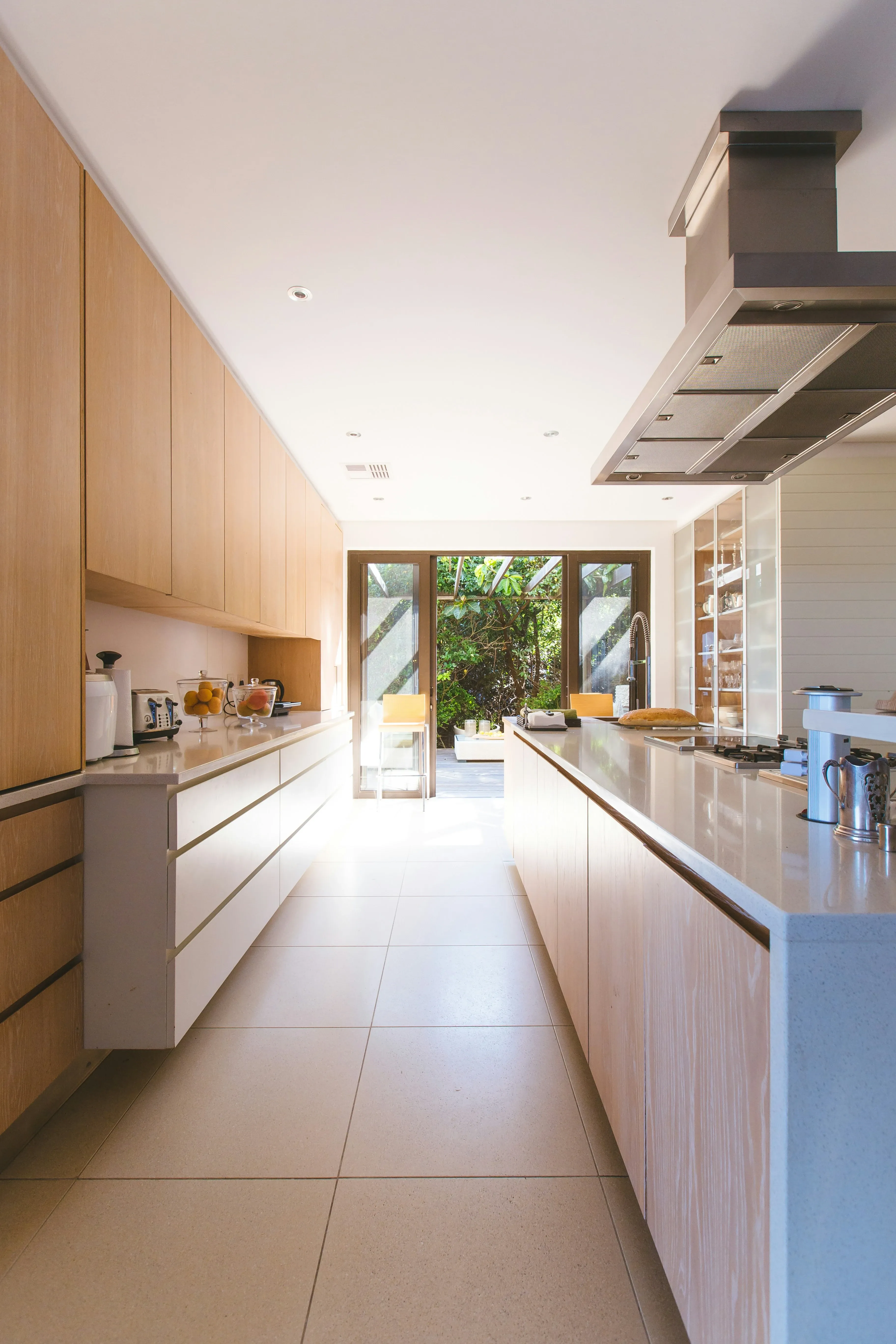
House extension timelines from first idea to finished space — design, planning, building regs and build time by type, plus what causes delays.

What a UK house renovation costs in 2026, room by room and per square metre, with a calculator to price your own project. Figures include VAT.