
How long does a loft conversion take in the UK?

A loft conversion typically takes between 4 and 12 weeks on site, depending on the type of conversion and the complexity of the project. Simple Velux conversions are at the lower end; mansard conversions with planning permission and significant structural work are at the higher end.
But on-site build time is only part of the picture. The full process — from first conversation to finished space — typically takes 3–6 months when you include the planning, design and procurement stages that happen before work begins.
This guide breaks down timelines at each stage so you know what to expect.
If you're based in London and want to understand the full process, see our loft conversions page.
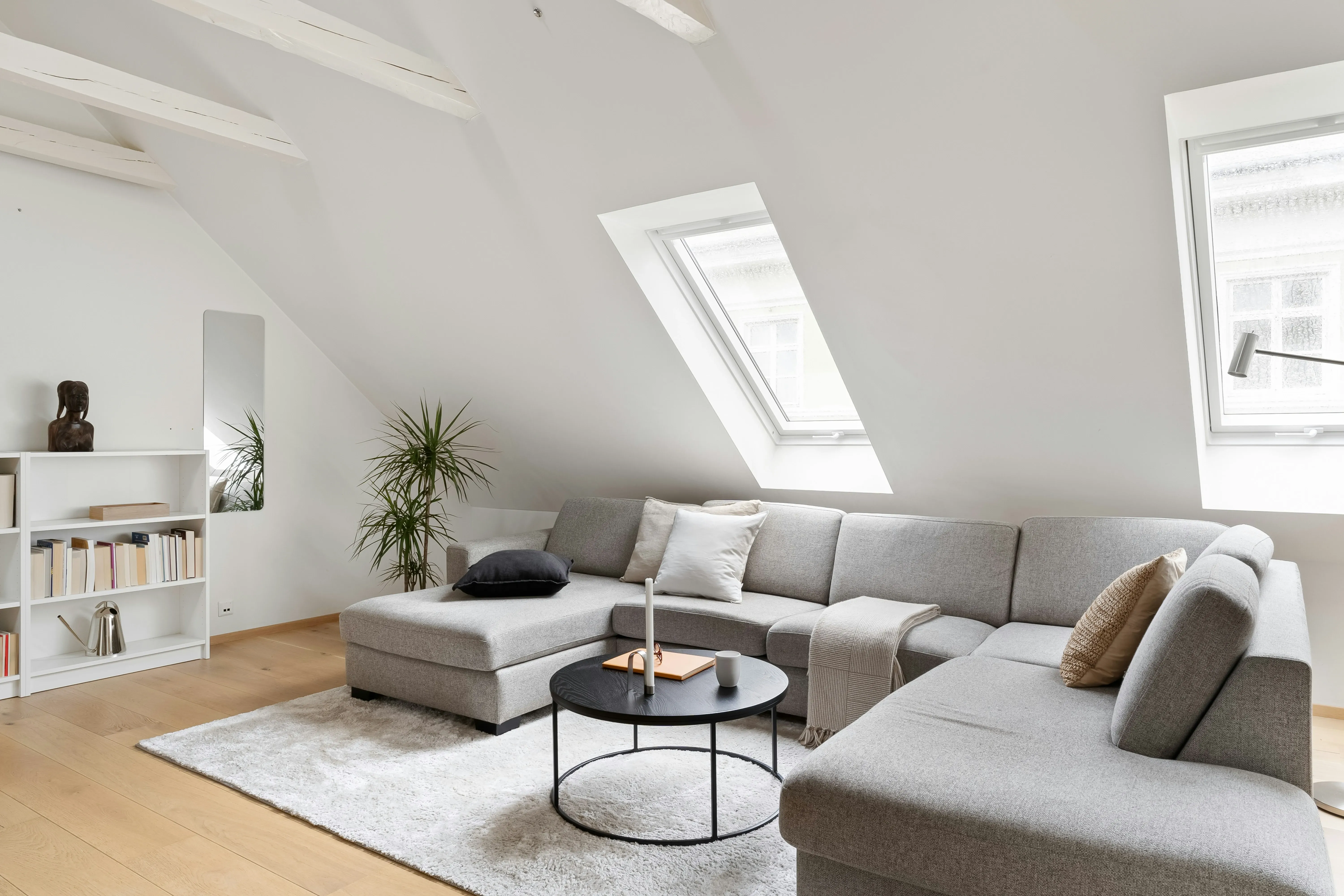
On-site build times by conversion type
These are typical on-site durations once your builder has started work.
Velux / rooflight conversion: 4–6 weeks
The simplest conversion — no major structural changes, no dormer to build. Windows are installed, floor is laid, staircase fitted, electrics connected.
Dormer loft conversion: 6–8 weeks
The dormer structure is built first, then the interior is fitted out. Includes structural work, roofing, windows, electrics, plumbing and finishing.
L-shaped dormer: 7–10 weeks
Slightly longer than a standard dormer due to the additional structure over the back addition.
Hip-to-gable conversion: 8–10 weeks
The hip-to-gable structural work adds time — rebuilding the roof slope is more complex than adding a dormer box.
Mansard conversion: 10–14 weeks
The most complex and time-consuming conversion type. Significant structural work, planning compliance and the near-vertical wall construction all add time.
These timelines assume no significant delays from weather, materials or unforeseen structural issues. Your builder will give you a project timeline before work begins, and is contracted to it.
Ready to get a sense of how long your loft conversion might take?
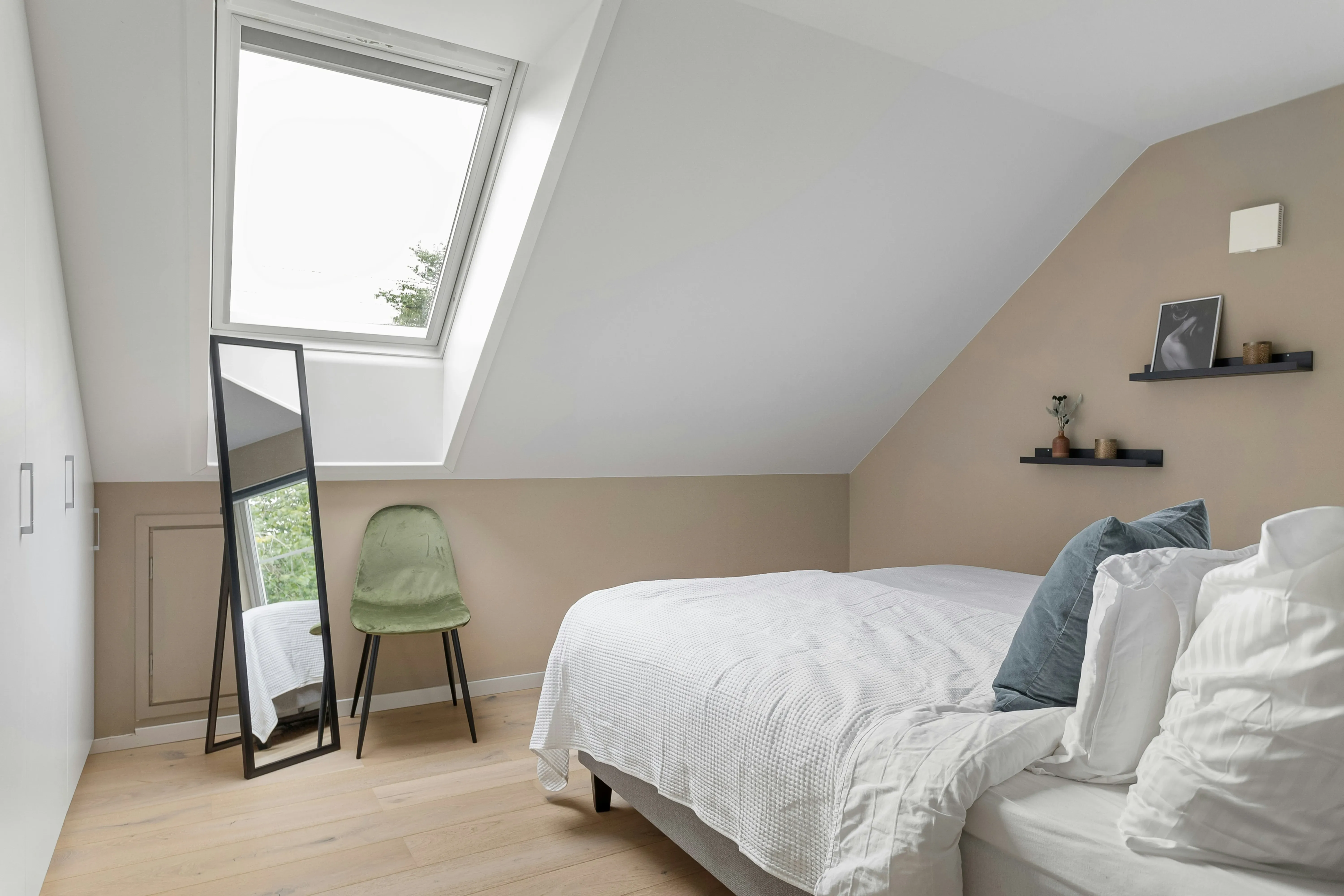
What happens before work starts
On-site build time is only part of the total timeline. Before your builder starts, the following stages typically need to happen.
Initial estimate and builder matching: 1–2 weeks
Your planner gives you a free estimate range, then Beams matches you with vetted builders who visit the property and produce detailed fixed-price quotes.
Design stage: 2–6 weeks
If you are using a Beams designer, they will work with you to plan the layout, specify materials and produce drawings for your builder. This stage moves at your pace. For simpler conversions, your builder may handle design directly.
Planning permission (if required): 8–12 weeks
If your loft conversion requires full planning permission — for instance, a mansard conversion or a property in a conservation area — you will need to factor in the planning application timeline. Most householder applications take 8 weeks from submission to decision.
Whether a loft conversion needs planning permission depends on Permitted Development, and most conversions fall under it so no permission is required. But even under Permitted Development, your builder will typically apply for a Lawful Development Certificate, which takes 4–8 weeks and provides useful evidence for future sale.
Party Wall notice period: 2 months minimum
If the Party Wall Act applies to your project — as it often does in London terraced houses — you must serve written notice on your neighbours at least two months before work begins. If your neighbour dissents and a Party Wall Award is required, this can add further time.
Structural calculations and building regulations: 2–4 weeks
All loft conversions require approval against the building regulations for a loft. Your builder will appoint a structural engineer to produce calculations and submit a Building Regulations application before work starts.
Materials procurement: 2–4 weeks
Structural steel, roofing materials and windows are typically ordered during the design stage and delivered before or at the start of the build.
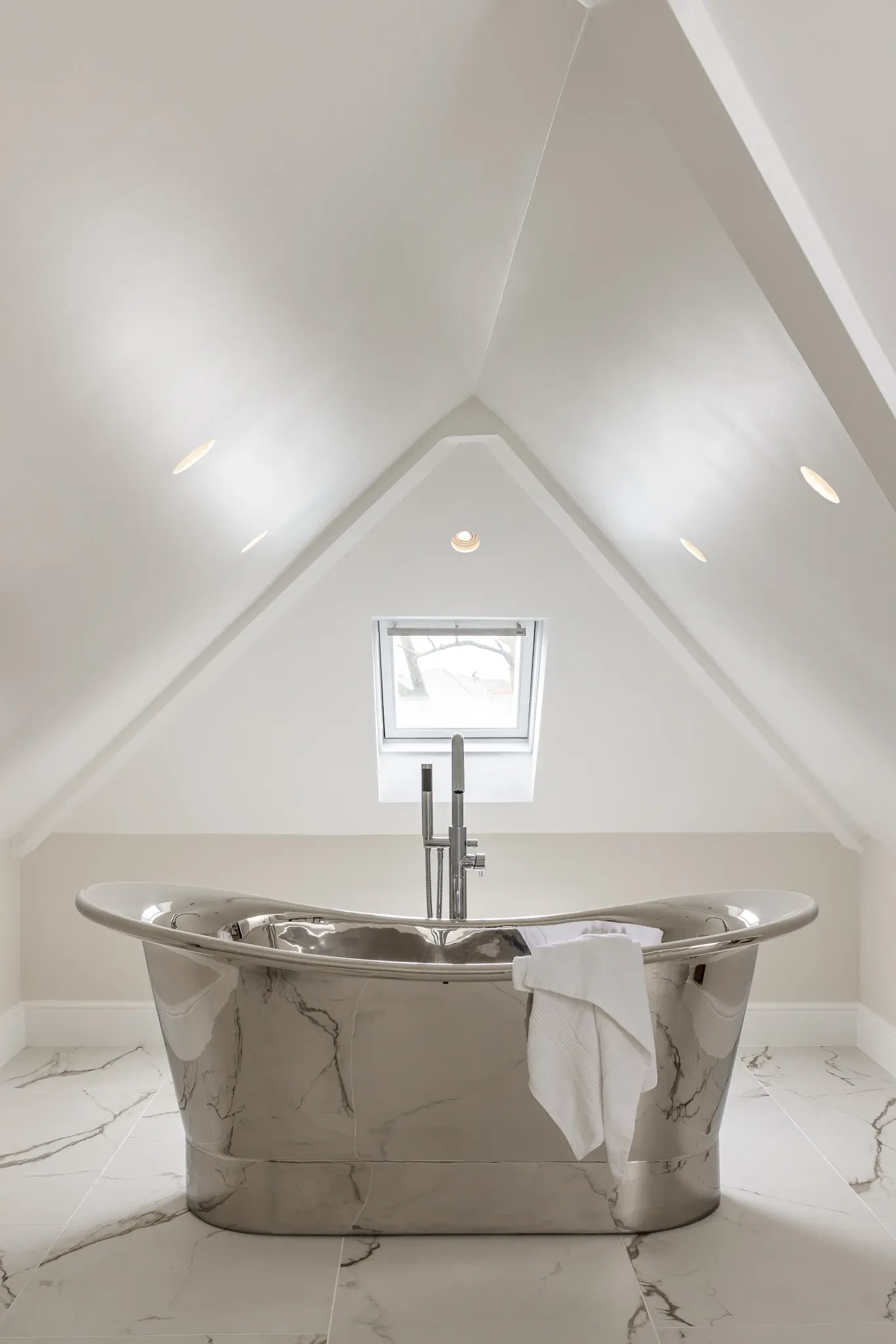
What causes loft conversion delays
Most delays are avoidable when the project is properly planned before work starts. Common causes include:
- Late design decisions — choosing materials, finishes or fixtures during the build rather than before it slows everything down. Your builder can't order what hasn't been specified.
- Unforeseen structural issues — unexpected rot in roof timbers, asbestos in older properties (pre-1999) or a more complex roof structure than anticipated can all add time and cost.
- Party wall disputes — if your neighbour dissents and appoints their own surveyor, the Party Wall process can take longer than anticipated.
- Planning delays — if your application requires amendments or additional information, the 8-week determination period can extend significantly.
- Weather — structural roofing work is weather-dependent. Extended wet periods in autumn and winter can cause delays.
The best way to protect your timeline is to define the full scope before work starts, make all material selections during the design stage, and serve Party Wall notices as early as possible. It is also worth knowing what to expect from building control sign-off.
Taken together, those stages are why the whole process usually runs to 3 to 6 months from first conversation to finished room, even when the build itself is only a few weeks.
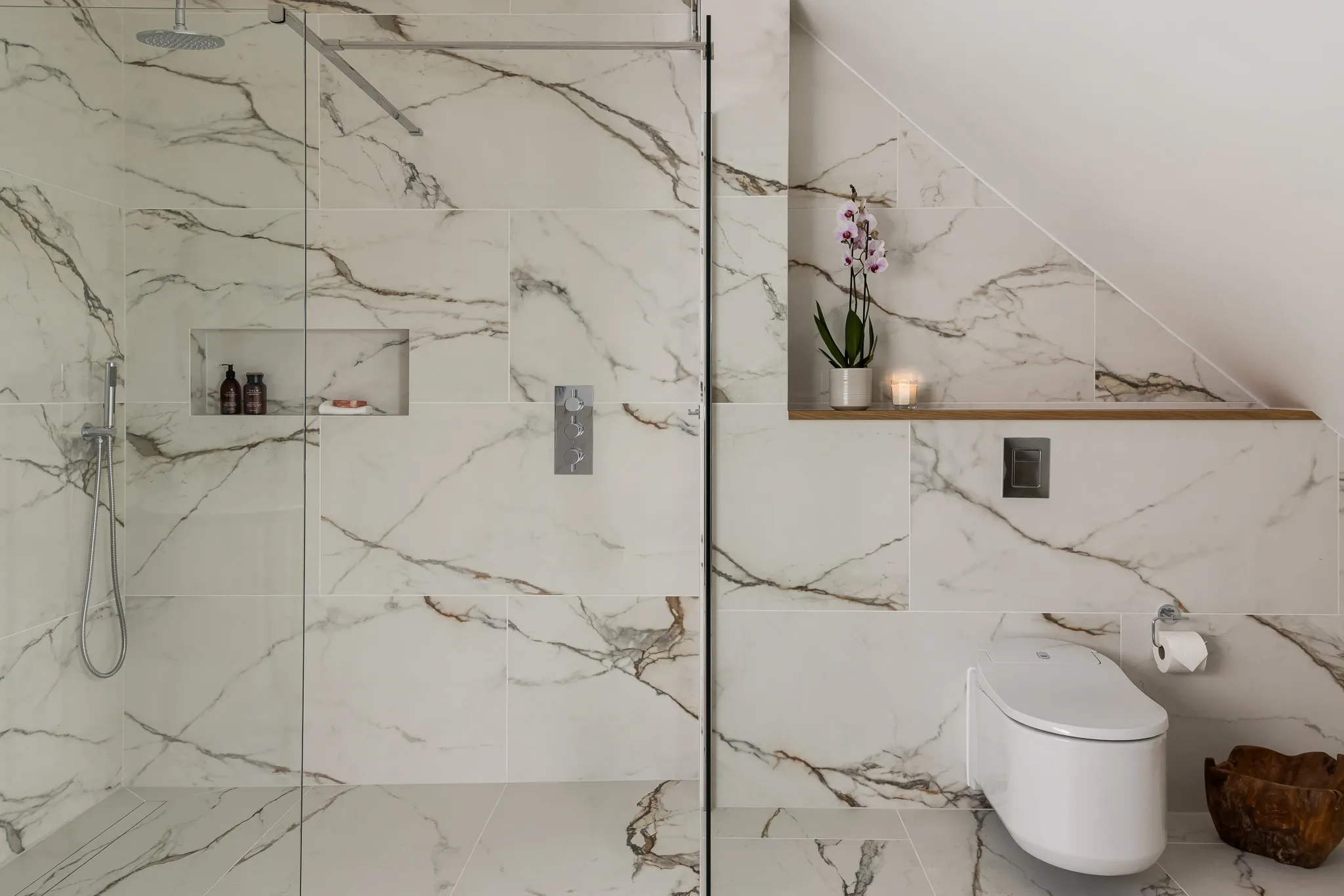
Can you live at home during a loft conversion?
In most cases, yes. Loft conversions are generally less disruptive than ground-floor renovations because the work is contained to the top of the house. Your builder will board up the floor opening temporarily and take steps to limit dust and noise in the rest of the property.
That said, there will be periods of significant noise — particularly during structural work and staircase installation. Your builder will discuss the specifics with you before work starts so you can plan around the most disruptive phases.
A realistic programme depends on your roof and your borough, both of which we establish upfront on loft conversions across London.
Ready to start planning your loft conversion?
Beams matches London homeowners with vetted builders who specialise in loft conversions. Get a free estimate and a clear timeline for your specific project — no commitment, no sales pressure.
A dormer loft conversion costs £42,000 to £72,000 inc VAT, £49,000 to £84,000 in London. All seven types priced, plus what your roof decides.
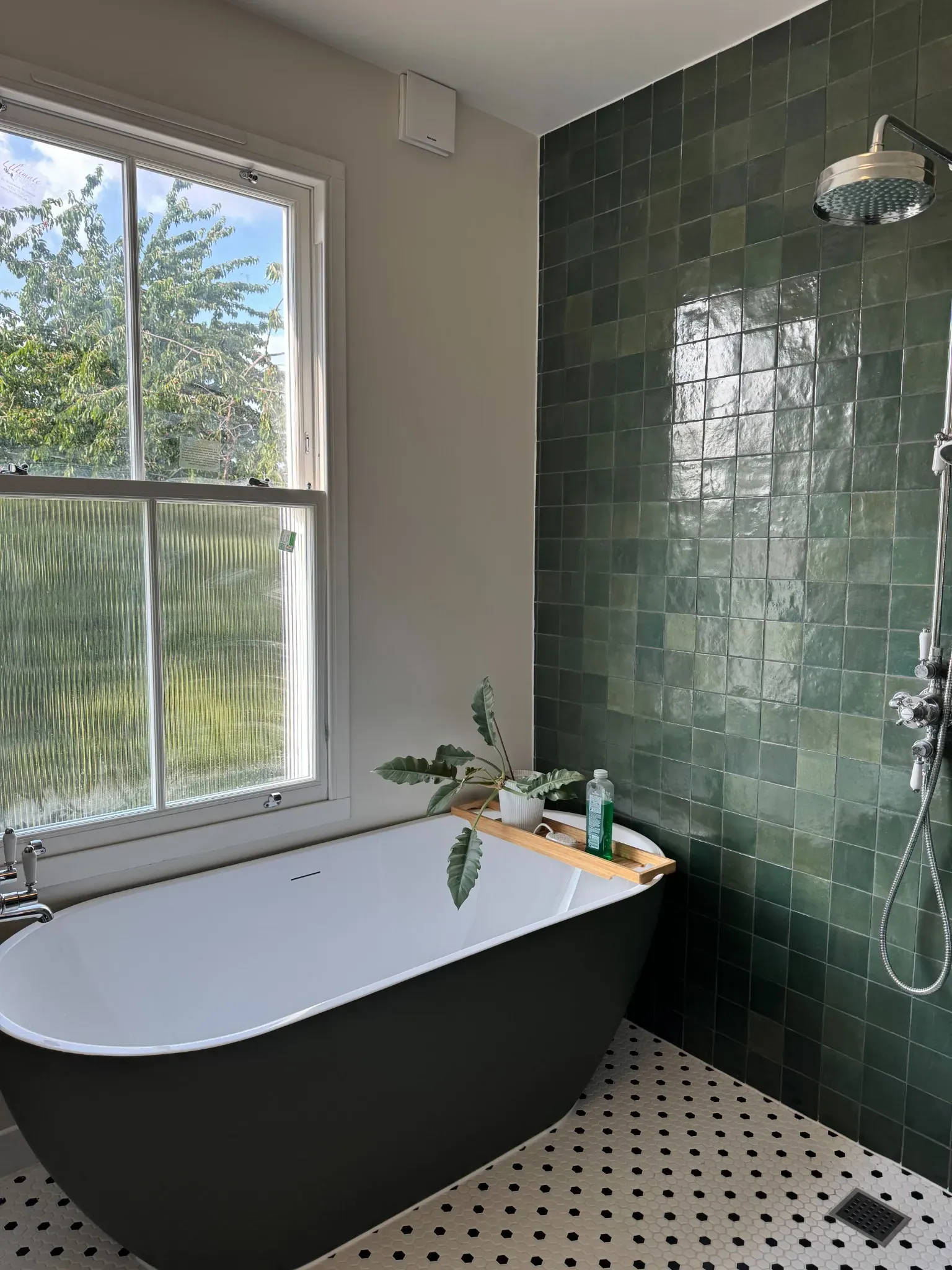
UK bathroom renovation timelines explained. Most projects take 3 to 5 weeks on site. What drives the schedule, common delays, and how to plan properly
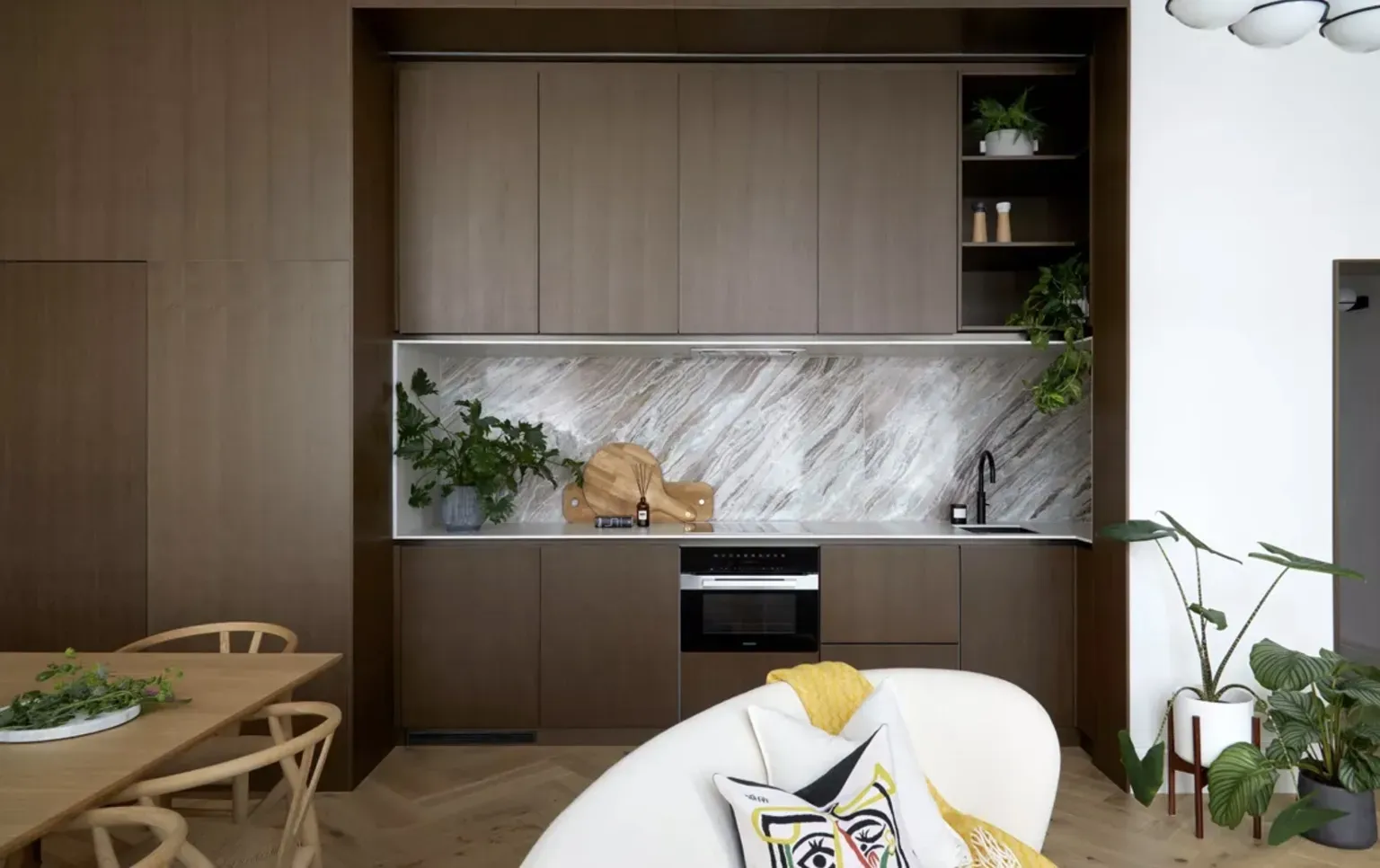
UK kitchen renovation timelines explained. Most projects take 2 to 4 weeks on site. What drives the schedule, common delays, and how to plan properly.