
How do you vet a builder? The checks that matter

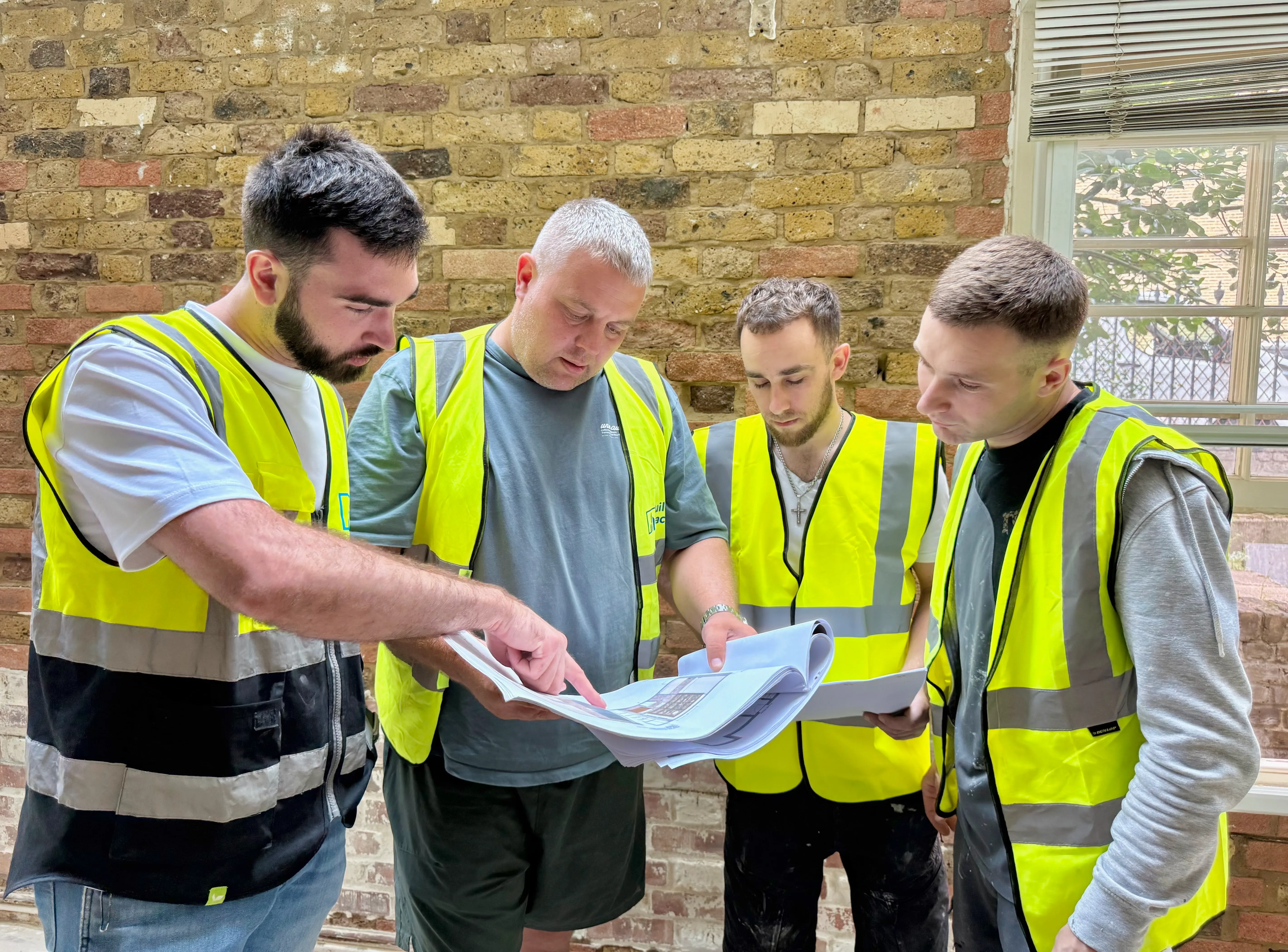
Vetting a builder means verifying four things before money changes hands: valid insurance (£5m public liability is the professional standard), a traceable business record, references you actually phone, and finished work you've seen with your own eyes. Reviews and a polished website are the starting point, not the vetting.
- Insurance: public liability of at least £5m, plus employer's liability if anyone works for them.
- Business record: the limited company on Companies House, or a UTR and trading history for a sole trader.
- References: two or three phone calls to customers whose projects finished in the last 12 months.
- Finished work: one site visit to a completed job of similar scope to yours.
Most people skip at least three of those four checks.
Joint research from the HomeOwners Alliance and the Federation of Master Builders found that just 8% of homeowners under 35 check whether a builder belongs to a trade body, and only 15% verify formal qualifications [1]. The builder you're about to trust with your house may never have been checked by anyone.
We vet builders for a living, so here's the full process, the same shape we run in-house. It takes about two hours, and it's the highest-value two hours of your entire project.
What documents should you check before hiring a builder?
Check four documents before hiring any builder: public liability insurance of at least £5m, employer's liability insurance if they have a team, their business registration on Companies House, and their VAT or CIS status. A professional builder produces all four without hesitation.
Insurance is the one that matters most and gets checked least.
Public liability cover is what pays when scaffolding meets conservatory, and £5m is the minimum level Beams requires from every builder in its network. Employer's liability is a legal requirement the moment they bring anyone else on site, even casually.
Don't just glance at the certificate. Check three things on it: the expiry date (lapsed policies are genuinely common), the insured name matches the company actually quoting you, and the cover level is written in numbers rather than implied. If anything feels off, the broker's phone number is printed on the certificate for a reason, and a 2-minute call confirms a live policy.
Companies House takes three minutes and tells a story. Search the exact company name and look at: years trading, whether accounts are filed on time, any name changes, and the director's history. Click the director's name and you can see every company they've been behind.
A brand-new company isn't automatically a problem, everyone starts somewhere. A director on their fourth dissolved company in six years is a pattern, not bad luck.
Here's the gap most vetting advice leaves open: Companies House only covers limited companies and limited liability partnerships. A large share of domestic builders trade as sole traders and will never appear on it, and that on its own means nothing. For a sole trader, ask for their Unique Taxpayer Reference, the exact name they trade under, and any previous trading names and addresses. Then search those older names. A sole trader who has quietly rebranded three times in five years is telling you something a company search never could.
One more layer for specific trades: anyone touching gas must be on the Gas Safe Register, electricians should be registered with a scheme like NICEIC or NAPIT so the work self-certifies under Part P, and replacement windows need FENSA or Certass. All of these have free public registers, and a check now saves you discovering work done without building regs when you come to sell. Check the register, not the logo on the van.
Which trade body registers are worth checking?
TrustMark is the only government-endorsed quality scheme for work in and around the home, and its register is searchable by trade and postcode. A firm on it has been assessed on technical competence, customer service and trading practice, and there is somewhere to complain that isn't the builder.
The Federation of Master Builders runs Check-a-Member, a free lookup that confirms in seconds whether a builder's FMB membership is current. FMB members are independently inspected before they're accepted, and membership lapses when standards or subscriptions do. Logos get copied and pasted. Registers don't.
Neither scheme is compulsory, and some very good builders belong to nothing at all. Absence is a question, not a verdict.
How do you check a builder's references properly?
Checking references properly means phoning two or three previous customers whose projects finished within the last 12 months, and asking specific questions: did the price move, did the timeline hold, how were problems handled, and would they hire the same builder again.
The last question does the heavy lifting.
People soften criticism of someone who spent months in their home, but "would you use them again?" gets an honest pause before it gets an answer. Listen for the pause.
Here's a 5-question script that gets past politeness: What did the job cost against the original quote? How did they handle the worst week of the project? How was the site left each evening? Did anything need fixing after they'd finished, and did they come back? And the closer: if you were doing your next project tomorrow, who would you call?
Recency matters more than volume. A glowing reference from 2019 tells you about a different business: teams change, workloads change, and the builder who was brilliant with one job on might be stretched thin across four now.
We've put together 20 questions to ask a builder before you hire them if you want the full interview sheet, including the ones that reveal how they handle bad weeks rather than good ones.
Should you visit a builder's previous projects?
Yes. Seeing a builder's recent work in person is the single most revealing check available, because photographs hide exactly the things that matter: tile lines, silicone edges, how doors sit in frames, and whether the finish survived six months of real use.
Ask to see one finished project, ideally something comparable to yours.
Most good builders are quietly proud to arrange it. Most bad ones suddenly become very busy. That reaction is data too.
When you're there, look low and look close. Crouch to skirting height, sight along the worktop line, open a cupboard door and see if it swings back to rest. Ask the homeowner what they'd change. Nobody says "nothing", and the way they answer tells you whether the snags were handled or endured.
It's also the check that scales with the stakes. On a whole-house renovation, where one builder controls your property for four to six months and the budget runs well into six figures, walking through a house they've already transformed isn't a nice-to-have. It's the difference between hiring on evidence and hiring on hope.
What do online reviews actually tell you?
Online reviews tell you a builder exists, communicates and hasn't left a trail of public disasters. They don't verify insurance, qualifications, financial stability or whether the reviewer's job resembles yours, which is why reviews work as a filter but fail as a vetting process.
The generational shift here is stark.
That same research found one in three homeowners under 35 rely on online reviews when hiring, twice the rate of over-55s, while being far less likely to run any formal check [1]. Reviews are real signal. They're just the first signal, and the builders who game them know exactly which audience they're gaming them for.
Read reviews the smart way: sort oldest first to see the track record, read the 3-star ones (that's where honesty lives), and watch how the builder replies to criticism. A defensive reply to a fair complaint is a preview of your week nine.
Use reviews to build your shortlist, and in the capital you can see London renovation companies compared side by side. Then vet the shortlist.
What do a builder's payment terms tell you?
Payment terms are a vetting check in their own right. A builder who asks for a modest deposit, bills against work you can see finished, and puts the whole schedule in writing is showing you a business with working cash flow. One who wants a third up front in cash is showing you the opposite.
A deposit of 5% to 10% is reasonable on most domestic projects, and it should map to materials ordered before anyone lifts a tool. Anything above 25% is a walk-away. Your deposit is meant to fund your job, not the one they've already overspent on.
Milestones should be tied to completed work rather than dates in a calendar. First fix complete, plaster signed off, kitchen fitted: each one is something you can stand in front of and inspect before you release money. A schedule that pays on the 1st of every month regardless of progress removes the only leverage you have.
Hold retention of 2.5% to 5% of the contract value until the snagging list is cleared. A builder who accepts retention without argument expects to come back for the small stuff.
And never pay in cash. Cash removes your paper trail, weakens your consumer rights and kills any chance of a card chargeback, which is precisely why it gets asked for. If you want the numbers by project size, we've set out how much deposit you should pay a builder separately.
What do a builder's quote and contract reveal?
Get three written quotes and the differences between them tell you who has read the drawings. A quote that prices each element, names the materials it assumes and states what is excluded came from someone who has planned the job. A single number on one page came from someone guessing.
Like-for-like matters more than the total. If one quote includes scaffolding, skip hire and making good and another quietly leaves them out, the cheaper number isn't cheaper. Give every builder the same written specification, then compare line by line. Our guide to comparing multiple quotes for a home renovation covers how to normalise them.
Then the contract, which is the last vetting signal you get before committing. It should name the scope, the price and whether it's fixed, the payment schedule, start and completion dates, who is responsible for building control and planning, a written process for variations, retention, and a defects period. A builder who won't put their name to any of that has answered your question.
You don't need a solicitor to draft one. The JCT Homeowner Contract is written in plain English for domestic building work, and the FMB domestic building contract is available to Federation of Master Builders members and covers the same ground. Either beats an email thread and a handshake.
What are the signs a builder won't pass vetting?
The clearest signs are hesitation and improvisation: insurance documents that never quite arrive, references who can't be phoned, addresses that don't check out, and prices that only exist verbally. A builder with nothing to hide finds these requests boring, not offensive.
Pressure is the other tell.
Anyone pushing you to commit today, pay cash, or skip the paperwork is answering your vetting questions in the most useful way possible. The pattern holds across every case we see: legitimate builders make verification easy, and rogue ones make it feel unnecessary.
If you're still unsure after the checks, there's a low-risk move that professionals use: start small. Give them a contained first job, a bathroom rather than the whole house, and watch how they run it. Punctuality, tidiness, communication and invoicing behaviour on a small job predict the big one almost perfectly.
What if a builder fails vetting after you've hired them?
Stop releasing money, put your concerns in writing and give a deadline for a response. Then report the firm to Trading Standards, which for consumers is done through the Citizens Advice consumer helpline rather than by contacting your local team directly. That creates an official record, and the record is what gives your complaint weight later.
Keep dated photographs, notes of every conversation and all messages. Handling a dispute with your builder sets out the escalation route from there.
How does Beams vet builders?
Beams puts every builder through a five-stage vetting process before they can quote on a single project. It starts with an in-person interview about their experience, standards and recent work. Then come document checks: company registration, references and customer reviews, insurance certificates, and CIS or VAT registration where it applies. Next is a site inspection, where our construction team visits a live or recently finished project and looks closely at the finish and how the site is run. Insurance is verified as its own hard gate. Only once all of that is clear does a builder sign the Beams agreement and complete onboarding, learning our quoting standards, milestone structure and photo reporting before they ever meet a homeowner.
Insurance is checked hardest and re-checked most often. Every builder must carry at least £5m public liability and £5m employer's liability cover, contractors' all-risk insurance for structural work, and professional indemnity if they offer design. We verify it at onboarding and at every renewal, and a lapsed policy means an immediate pause until it's fixed.
Then the checking keeps going. Every builder enters a progression pathway, starting as a Probationary Builder whose first project is closely reviewed for on-time completion, zero safety issues, a customer rating of at least 8 out of 10, and clear photo evidence. They move up to Active Builder and then Trusted Builder on real project data alone: milestones hit on time, ratings held, and no disputes across recent jobs. Higher status brings earlier access to premium projects, and it has to be re-earned through consistent delivery.
Vetting isn't a badge a builder wins once. It's a standard they keep or lose.
It's the same process we'd tell you to run yourself, done full-time by people who do nothing else. You can read how Beams builder vetting works stage by stage, and every homeowner who comes to us starts from a pool where the two hours of homework is already finished.
Frequently asked questions
Is a builder legitimate if they're not on Companies House?
Often, yes. Companies House lists limited companies and limited liability partnerships only, so a sole trader will never appear on it however good their work is. Verify them a different way: ask for their Unique Taxpayer Reference, their public liability certificate, the trading name they use now and any they've used before, plus an address history. Then check references and complaints against those older trading names.
How much deposit should a builder ask for?
Between 5% and 10% of the contract value on most domestic jobs, and it should cover materials ordered before work starts. Bespoke items such as windows or joinery can justify more, tied to a named order rather than a round percentage. Anything above 25% is a reason to walk away, and a request for cash should be refused outright.
What insurance should a UK builder have?
Public liability cover of at least £5m, employer's liability cover if anyone works for them, contractors' all-risk insurance on structural work, and professional indemnity if they also design. Employer's liability is a legal requirement, not a preference. On the certificate, check the expiry date, the insured name against the company quoting you, and the cover level, then ring the broker printed on it.
Should a builder be FMB or TrustMark registered?
It helps, though it isn't essential. TrustMark is government-endorsed and the Federation of Master Builders inspects applicants before accepting them, so either one gives you an independent assessment and a complaints route outside the builder. Verify it on TrustMark's register or FMB Check-a-Member rather than trusting a logo. Plenty of capable builders belong to neither, so treat registration as one signal alongside the insurance, company and reference checks.
Ready to skip the two hours of homework?
Every Beams project comes with the vetting done, the price fixed before work starts, payments released in milestones you approve, and a 12-month workmanship warranty at the end.
Get your free estimate, tell us about your project, and meet builders who've already answered the hard questions.
Sources
[1] HomeOwners Alliance / Federation of Master Builders joint research (published May 2026): 8% of under-35 homeowners check trade body membership (vs 21% of over-55s); 15% verify formal qualifications (vs 27%); 33% of under-35s rely on online reviews when hiring. https://hoa.org.uk/news/hiring-a-builder-young-homeowners-skip-traditional-vetting-checks/
Ready to start your renovation?
Tell us about your project and get a free estimate. A Beams planner will talk you through what's realistic for your home, with no obligation and no sales pressure.
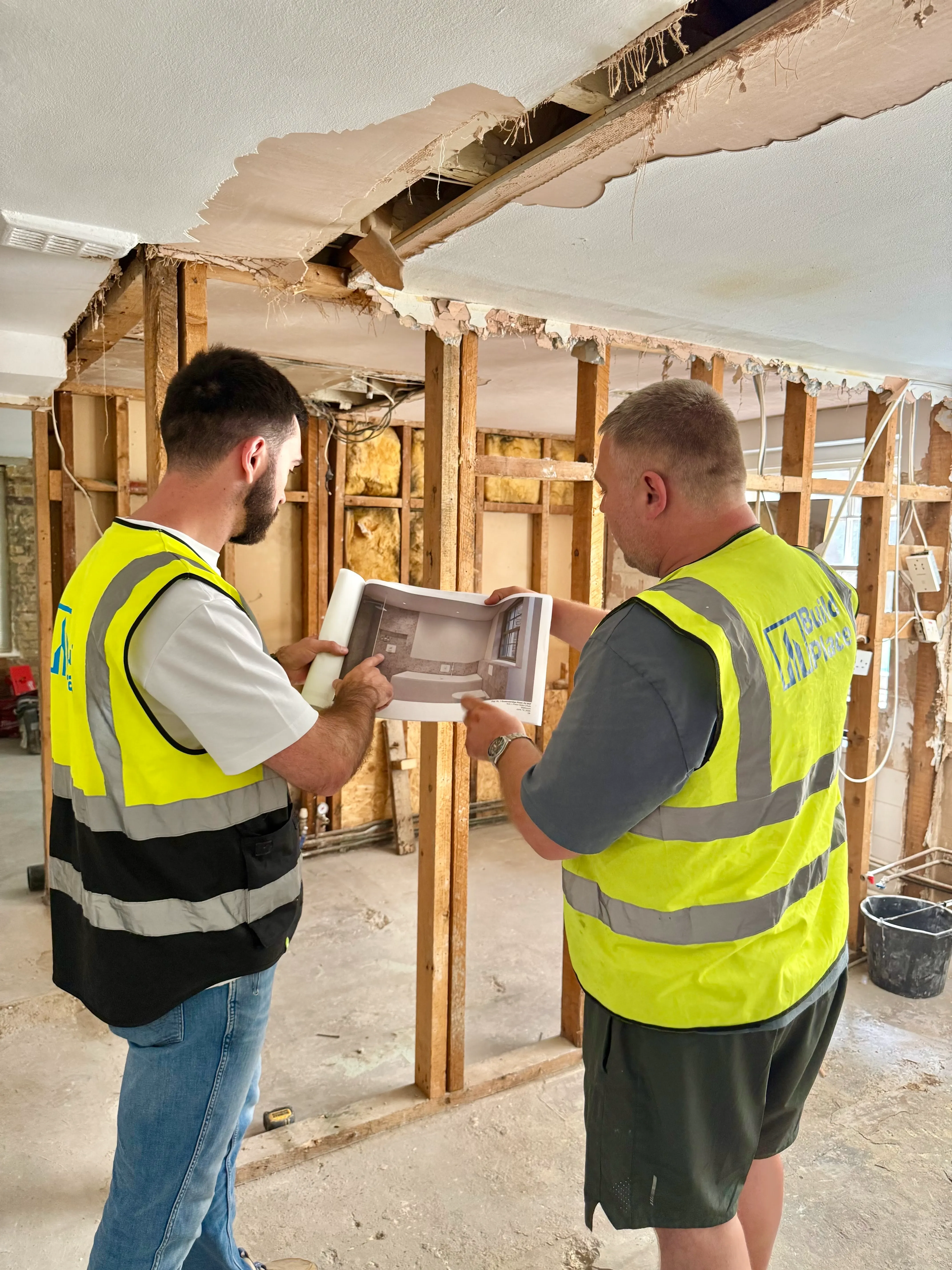
20 questions to ask a builder before you hire them, covering track record, insurance, quotes, payment, timeline and snagging, with the benchmarks to expect.
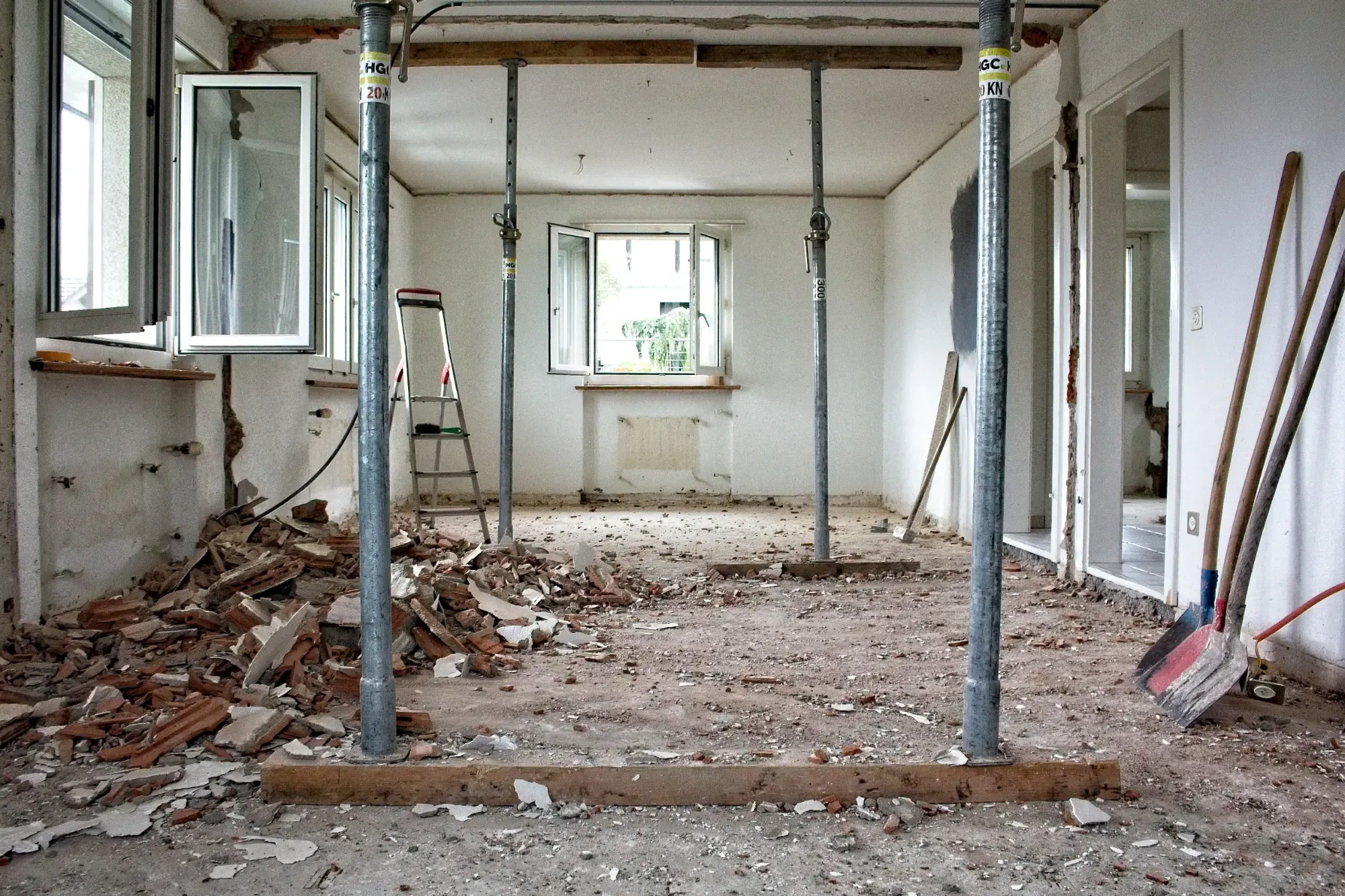
Cowboy builders cost UK homeowners £14.3bn in five years. The 10 red flags that give them away, plus how to get your money back if you have already paid.
Where to find a builder in London, the party wall and borough rules that apply, London day rates, and the checks to make before you sign a contract.
Design and build vs traditional procurement (design-bid-build): how each route works, who carries design liability, and which suits your renovation.