
Dormer refused planning permission? What to do next

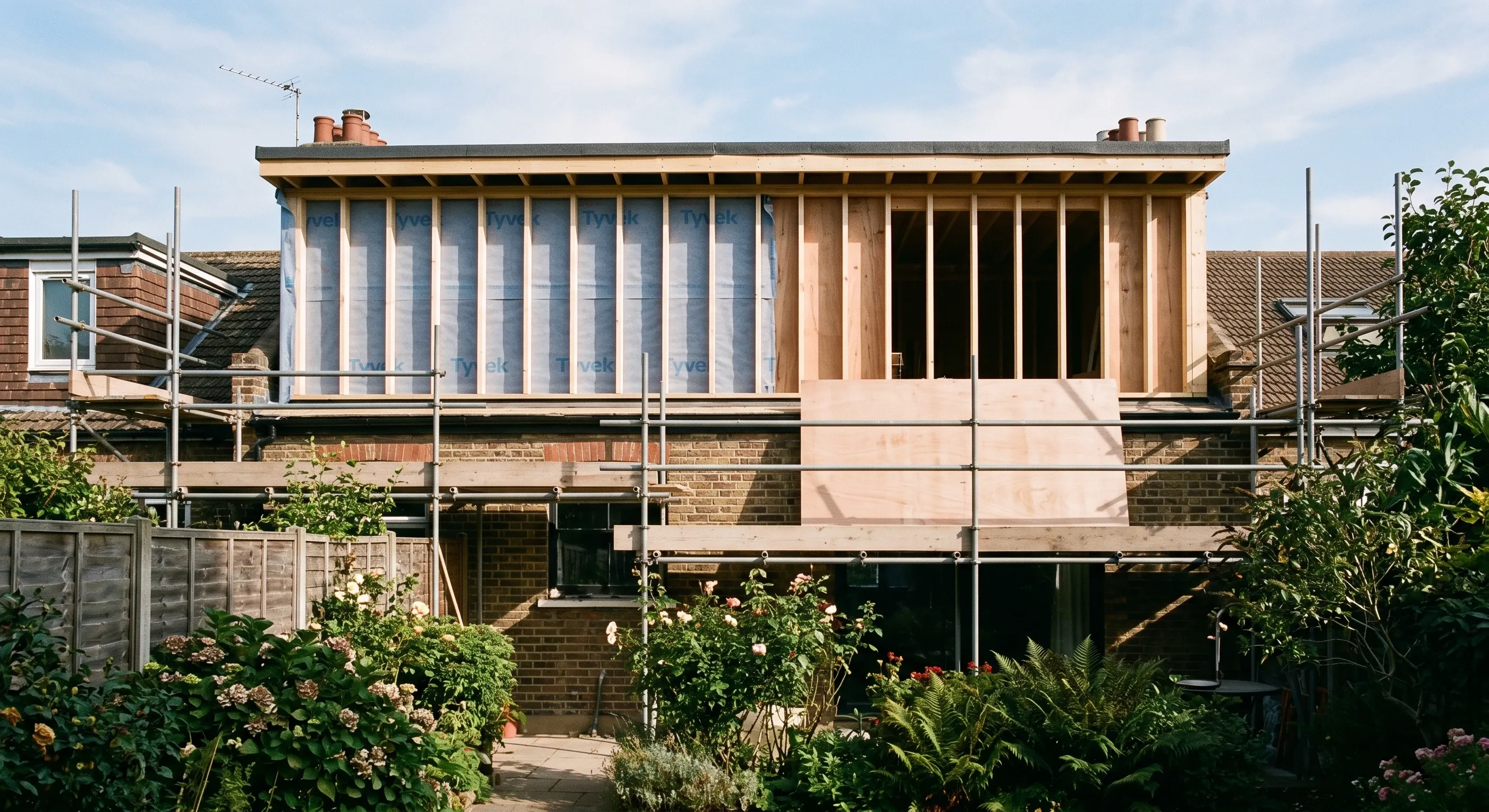
A refused dormer is not the end of the project. You have three live routes: amend the scheme and reapply, appeal to the Planning Inspectorate within 12 weeks of the date on the decision notice, or redesign the dormer so it falls inside permitted development and apply for a certificate of lawfulness instead. Most London refusals are fixable by amendment.
Before you pick one, two things need correcting. The free resubmission that half the internet still promises you was abolished on 6th December 2023, so a second application now costs the full fee again. And the refusal notice is not the document that tells you why you were refused. The officer's report is.
What does a dormer refusal notice actually say?
A refusal notice has to state clearly and precisely the full reasons for the refusal, and specify every development plan policy relevant to the decision. That is not a courtesy. It is a legal requirement under article 35 of the Town and Country Planning (Development Management Procedure) (England) Order 2015, and it is the reason refusals arrive as a numbered list of reasons with policy references bolted onto each one.
What the notice will not give you is the reasoning. A typical London dormer refusal runs to two reasons and about ninety words, most of which is policy citation. The document that explains the decision is the case officer's delegated report, published on the council's planning register alongside the application. Read that first. It tells you which measurement the officer objected to, whether the objection came from a neighbour or from the officer's own site visit, and, crucially, whether the officer thought the scheme was close or nowhere near. Those are different problems with different answers.
Why do London councils refuse dormers?
Six reasons account for the overwhelming majority of rear dormer refusals in London, and each one points to a different fix.
Refusal reason | What it usually means | Fixable by amendment? |
|---|---|---|
Excessive scale, bulk and massing | The dormer is too deep down the slope or too tall | Usually yes, by reducing depth or dropping the head height |
Full width of the rear roof slope | No setback from either flank | Usually yes, by setting in from the party walls |
Sits above or breaks the ridge line | The dormer roof is level with or above the ridge | Yes, and it has to be, this one is never defensible |
Not set in from the eaves | The dormer runs down to the gutter line | Yes, by pulling the bottom edge up the slope |
Contrary to the borough's residential design guidance | The scheme conflicts with a named SPD | Sometimes, depending on which paragraph |
Harm to the character or appearance of the conservation area | Design, materials or visibility from the street | Occasionally, more often needs a different roof form |
The design guidance point is the one that catches people out, because the standard is set locally and varies enormously across a two mile radius. Camden's planning guidance on home improvements discourages full length dormers on both the front and the rear, and says dormers should not be introduced where they cut through the roof ridge or the sloped edge of a hipped roof, and not at all on shallow pitched roofs. Lambeth's Policy Q11 and its design guide on building alterations and extensions take a similar line on subordination, and add that in conservation areas the dormer's style, size and materials should be based on traditional local precedents. Richmond has run its House Extensions and External Alterations SPD since 1st June 2015. Haringey, by contrast, publishes no borough-wide householder design SPD at all outside South Tottenham, which means a Haringey refusal leans on Local Plan and London Plan policy rather than a diagram you can measure yourself against.
Conservation area refusals are a separate animal. Section 72 of the Planning (Listed Buildings and Conservation Areas) Act 1990 requires the council to pay special attention to preserving or enhancing the character and appearance of the area, and that duty outranks the question of whether your dormer is slightly smaller than your neighbour's. Where a box dormer has been refused on character grounds, the amendment that succeeds is often not a smaller box. It is a different form, which is why a mansard rebuilds the roof rather than boxing out of it and gets consented in streets where box dormers never do.
Is there still a free resubmission after a refusal?
No. Not in England, and not since 6th December 2023.
The "free go" was regulation 9 of the 2012 fees regulations, and it let you submit one further application of the same character on the same site within twelve months of the refusal without paying again. The Town and Country Planning (Fees for Applications, Deemed Applications, Requests and Site Visits) (England) (Amendment) Regulations 2023 removed it. The Planning Portal's own notice of the change put it plainly: the provision for a free go on application resubmissions in England has been removed, with only applications already eligible before that date keeping the benefit. Those ran out during 2024.
So a resubmitted householder application costs £548 in England from 1st April 2026, per the Ministry of Housing, Communities and Local Government fee schedule, exactly the same as the first one. Budget for it. The one procedural sweetener from the same 2023 amendment is worth knowing: the planning guarantee was tightened so that undetermined non-major applications, householder ones included, become eligible for a fee refund after 16 weeks rather than 26.
Amend and reapply, or appeal?
Amend when the refusal reason is a measurement. Appeal when the refusal reason is a judgement you think is wrong.
That sounds glib, so here is the test that actually works. Take each numbered reason on the notice and ask whether you could remove it by redrawing. A dormer refused because it projects above the ridge, or because it runs the full width with no setback, or because it lands on the eaves, is refused on geometry. Redraw it and the reason disappears, and you will have a decision in around eight weeks. A dormer refused because it is "unduly prominent in the street scene" or "harmful to the character of the conservation area" is refused on planning judgement, and no amount of shaving 200mm off the depth will change an officer's mind about that. Judgement is what the Planning Inspectorate exists to re-take.
Two practical warnings. First, a resubmission goes to the same council, often the same officer, and the planning history sits on the file, so a scheme that ignores the refusal reasons gets refused faster the second time. Second, amending is not free beyond the fee. New drawings, and a dormer that has shrunk by a metre of depth is a different quantity of steel, floor, roof and cladding, which means the builders' prices you collected against the original drawings no longer hold. That is the stage where most people discover their quotes were never like for like. Beams fixes the scope in writing before pricing, which is how loft conversions across London get quoted on the same basis by more than one builder.
How does a householder planning appeal work?
The Planning Inspectorate has to receive a householder appeal within 12 weeks of the date on the decision notice. Miss it and the right is gone. There is no fee and no discretion, and only the original applicant or their appointed agent can appeal, which means a neighbour cannot appeal your approval and you cannot appeal on behalf of a previous owner.
Householder appeals run on a fast track: written representations only, all your evidence submitted at the outset, an inspector visits the site, and the decision comes in writing. No hearing, no cross examination, no chance to add material later. The Planning Inspectorate's published timescales for cases decided in June 2026 put householder written representation appeals at a median of 12 weeks and a mean of 14, across 351 decisions. Full section 78 planning appeals, which is what you are in if the property is a flat or maisonette rather than a house, ran at a median of 17 weeks on written reps and 19 at a hearing.
Route after refusal | Deadline | Fee | Typical time to a decision |
|---|---|---|---|
Amend and reapply | None, but planning history counts against you | £548 householder fee (MHCLG, from 01/04/2026) | 8 weeks statutory target, refund eligible after 16 |
Householder appeal | 12 weeks from the date on the decision notice | No fee | 12 weeks median (Planning Inspectorate, June 2026 decisions) |
Certificate of lawfulness, proposed | None | £274, half the householder fee | 8 weeks |
Build it anyway | Not a route | Not applicable | Enforcement appeals run to a median of 67 weeks |
Pick one, rather than both at once. Running an appeal and a revised application in parallel is possible and occasionally sensible, but it doubles the fee, doubles the drawings and produces two decisions that can contradict each other.
Can you redesign the dormer to fall inside permitted development?
Sometimes, and it is the route the appeal industry is least likely to mention to you, because there is nothing in it to sell.
Roof extensions to a house are permitted development under Class B of Schedule 2, Part 1 of the Town and Country Planning (General Permitted Development) (England) Order 2015. If your dormer was refused on design grounds but the volume added is under 40 cubic metres on a terrace or 50 on any other house, you may be able to redraw it inside the Class B envelope and stop needing permission at all. The council's opinion of the design then stops mattering, because Class B is a legal entitlement rather than a discretion. You can confirm it with a certificate of lawfulness of proposed use or development under section 192 of the Town and Country Planning Act 1990, at £274, and the council may only rule on lawfulness.
Two conditions kill this route outright. Class B is switched off entirely on article 2(3) land, which includes conservation areas, so a conservation area refusal can never be redesigned into permitted development. Rights may also have been removed by an Article 4 direction or by a condition on an earlier permission for the house. Whether your particular roof ever had the right in the first place is the subject of our guide to when a loft conversion needs a planning application at all.
If the rights survive, measure before you draw. Check the Class B limits for a rear dormer loft conversion against a measured survey rather than against a summary, because the volume allowance is calculated from the original roof space as it stood in 1948 and any earlier rooflight or dormer work anywhere on the house has already eaten into it.
What happens if you build it anyway?
You inherit a ten year problem. Section 171B of the Town and Country Planning Act 1990 was amended by the Levelling-up and Regeneration Act 2023 with effect from 25th April 2024, and the enforcement time limit for operational development in England is now ten years from substantial completion, up from four. Wales kept four years. That change doubled and then some the window in which a council can require an unauthorised dormer to be altered or removed.
The remedy if you get it wrong is slow and expensive. Enforcement appeals decided in June 2026 took a median of 67 weeks on written representations, against 12 for a householder appeal. And an unauthorised roof extension is exactly the thing a buyer's conveyancer finds, which means the practical cost lands at sale rather than at the moment the enforcement officer knocks.
Re-pricing the amended scheme
A redesigned dormer is a re-specified dormer. Reducing the depth changes the floor area and the beam spans, setting it in from the party walls changes the roof and the flashings, and dropping below the ridge changes the head height over the stair, which can drag the staircase design back open. Any council that refused you on character grounds will also be looking at the finish, so which cladding finish to put on the redesigned dormer belongs in the resubmission drawings, not in a conversation with the builder in week six.
Get the revised drawings finished before you go back out to price. Quotes taken against a superseded scheme are not a benchmark for anything.
Common questions about refused dormers
Can I appeal after the 12 weeks has passed?
No. The Planning Inspectorate will not accept a late householder appeal, and there is no extension procedure. What you still have is the right to submit a fresh application, which has no deadline attached to it.
Does an appeal cost anything?
There is no fee to lodge a planning appeal with the Planning Inspectorate. The cost is in preparing the statement of case and drawings, and in the wait. Costs awards between the parties are possible but unusual in householder appeals, and they turn on unreasonable behaviour rather than on who wins.
Will a refusal show up when I sell?
Yes. Refused applications stay on the council's planning register and appear on a standard local authority search. A refusal on its own is harmless. A refusal followed by an unauthorised dormer is not.
How many householder appeals succeed?
The Planning Inspectorate publishes decision volumes rather than a headline success rate for dormers specifically, so treat any consultancy quoting you a percentage with suspicion unless they say where it came from. The useful signal is in the officer's report: appeals against a refusal that reads as a narrow judgement call tend to fare better than appeals against a refusal with three separate reasons attached.
Can my neighbour appeal if the council approves my dormer?
No. Only the applicant or their appointed agent has a right of appeal in the planning system. A third party who objects to an approval would have to go to judicial review, which is a different and far higher bar.
Sources
- Town and Country Planning (Development Management Procedure) (England) Order 2015, article 35.
- Town and Country Planning (General Permitted Development) (England) Order 2015, Schedule 2, Part 1, Class B.
- Town and Country Planning Act 1990, sections 171B and 192, as amended by the Levelling-up and Regeneration Act 2023, section 115, in force 25th April 2024 by SI 2024/452.
- Planning (Listed Buildings and Conservation Areas) Act 1990, section 72.
- Planning Portal, Householder appeals, and Details of the planning application fee increase on 6th December 2023, covering the removal of the free go.
- Town and Country Planning (Fees for Applications, Deemed Applications, Requests and Site Visits) (England) (Amendment) Regulations 2023, SI 2023/1197.
- Planning Inspectorate, Appeals: how long they take, last updated 30th July 2026, cases decided June 2026.
- Fees for planning applications in England from 1st April 2026, Ministry of Housing, Communities and Local Government.
- Camden Planning Guidance, home improvements; Lambeth Local Plan Policy Q11 and design guidance on building alterations and extensions; Richmond House Extensions and External Alterations SPD, adopted 1st June 2015; Haringey House Extensions South Tottenham SPD.
Find out what your project will cost
A refused dormer usually comes back smaller, and a smaller dormer is a different job with different steel, a different roof and a different price. We write the revised scope down first, then up to three vetted London builders quote against that same written specification.
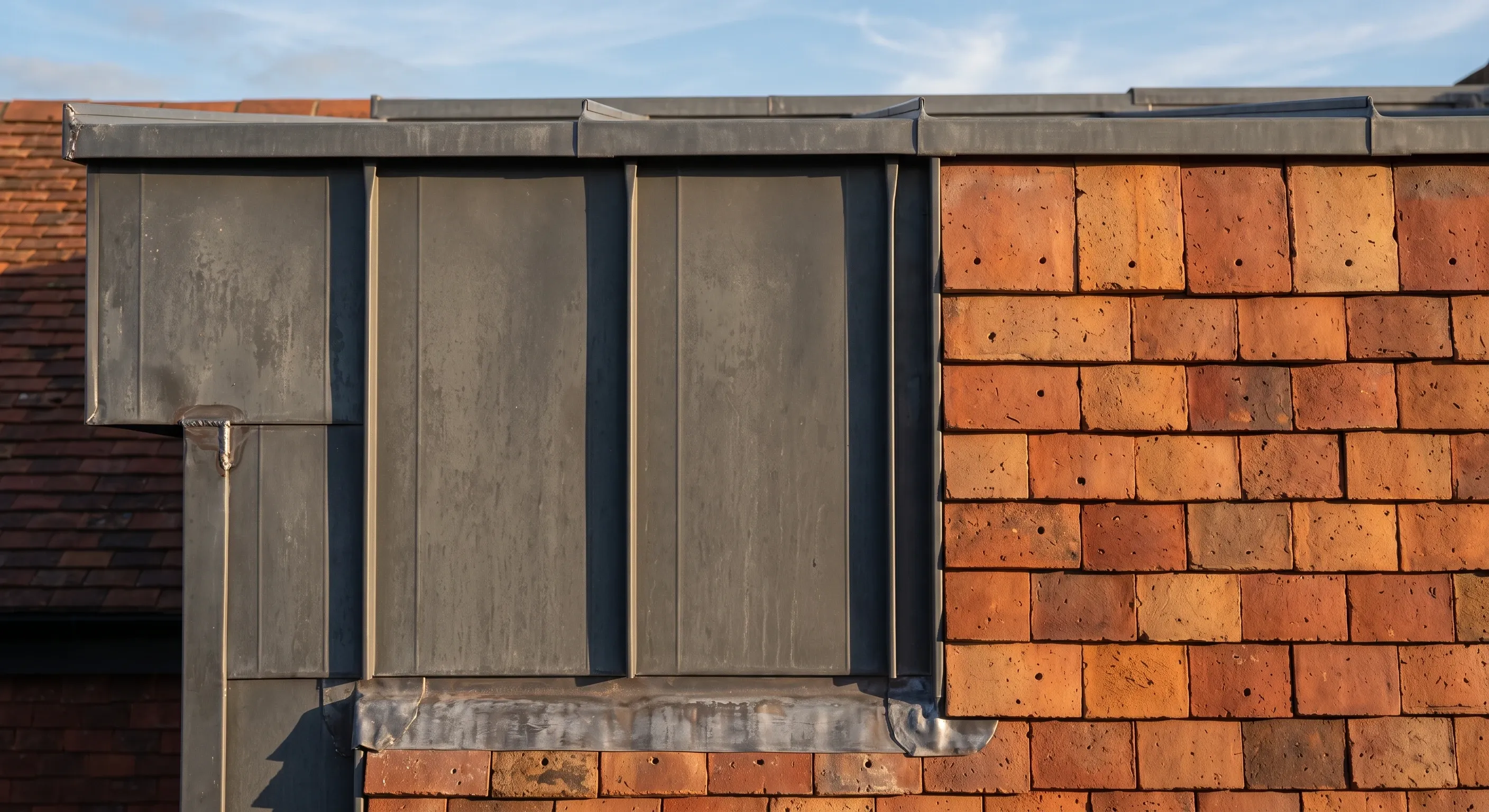
Tile hanging, slate, zinc, aluminium, lead, timber, render and fibre cement compared on cost, lifespan, weight and the Class B similar appearance test.
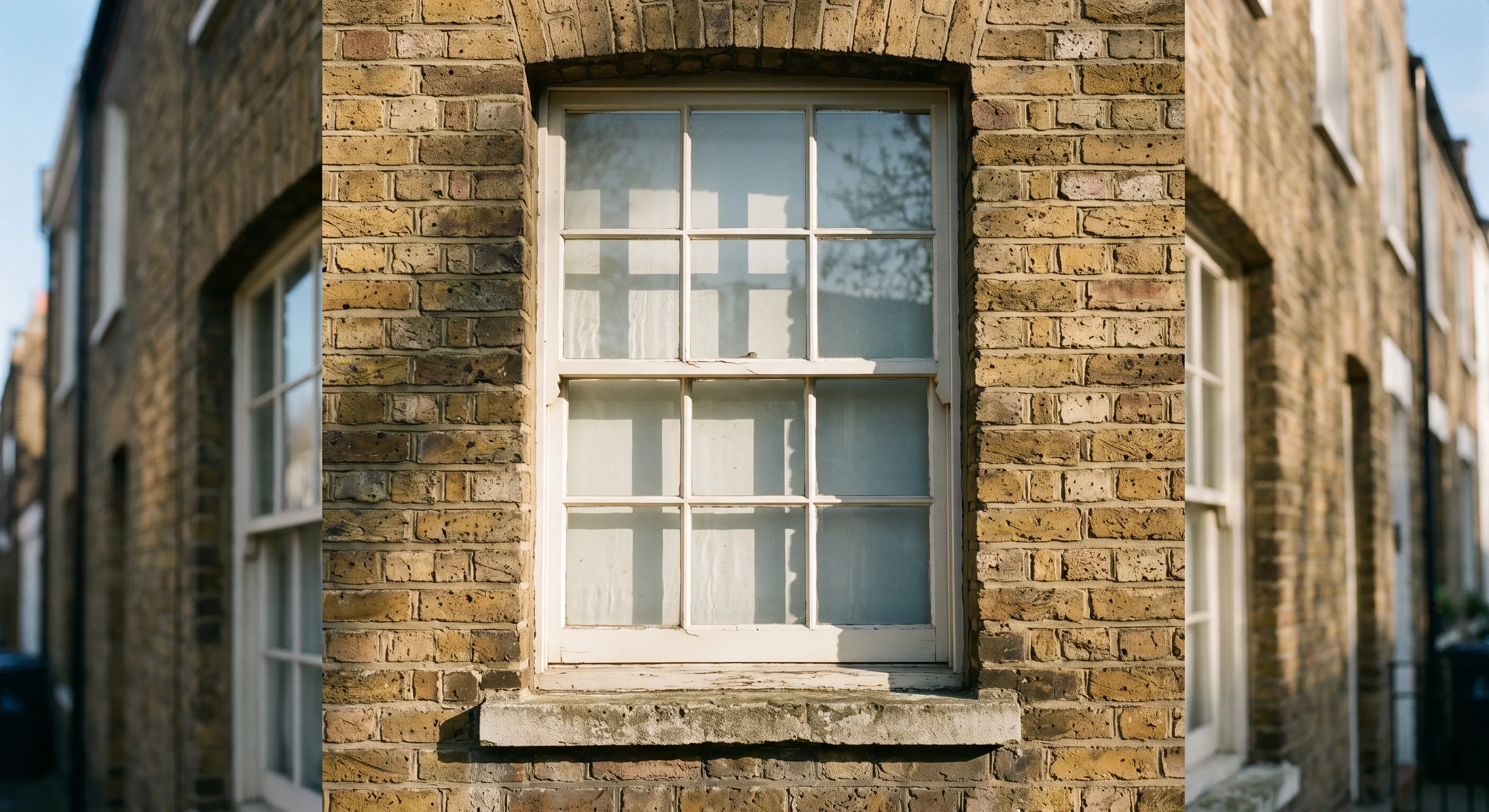
Conservation area, Article 4 direction and listed building consent are three separate things. Work out which applies to your London sash windows.
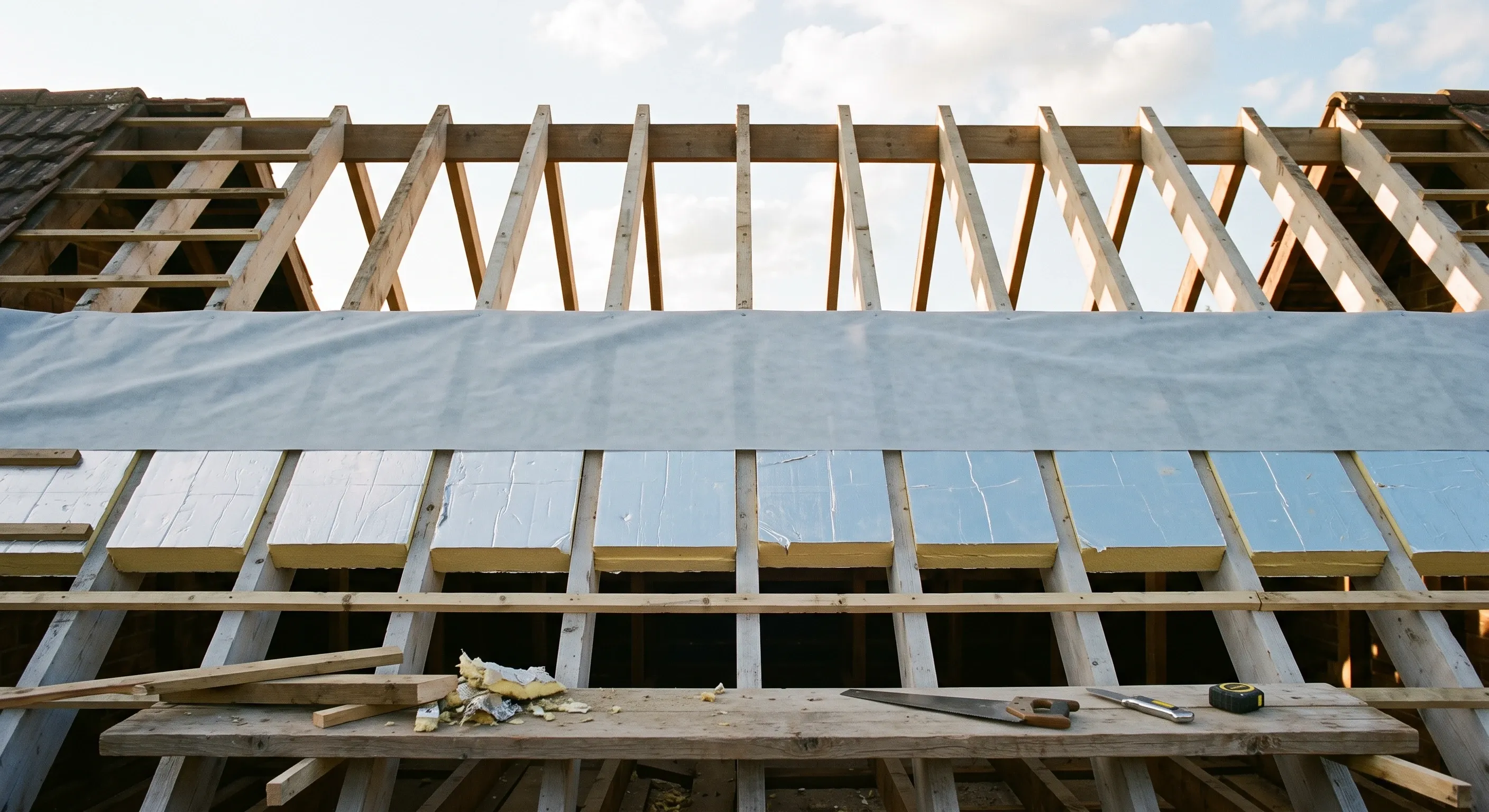
Like-for-like re-roofing is permitted development. Building regs almost always apply. The 25% and 50% Part L thresholds, and when Article 4 forces slate.