
Built-in vs. freestanding appliances: the effect on UK kitchen renovation costs
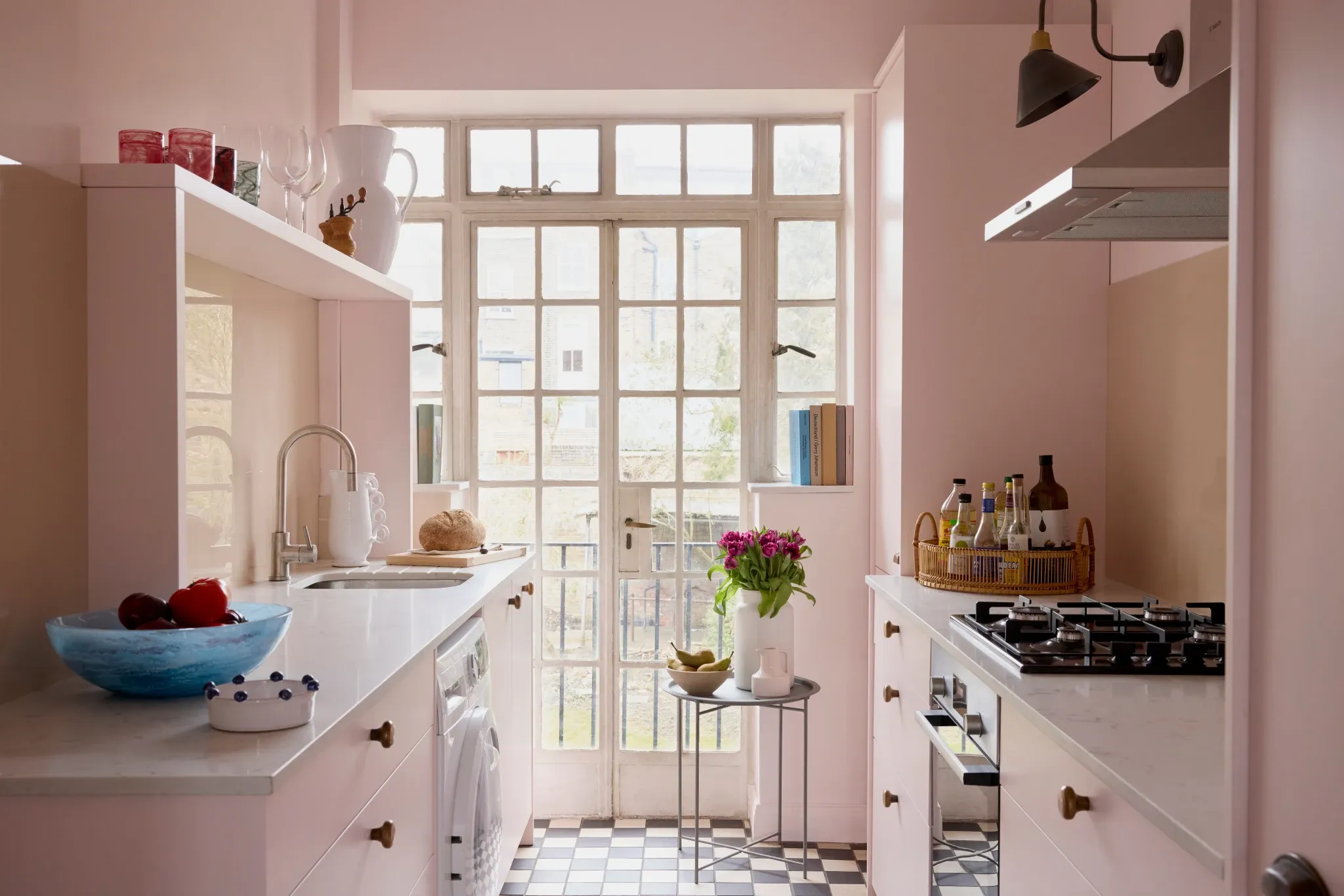
Your kitchen budget shifts depending on whether you go built-in or freestanding. Built-in appliances usually cost more in the UK once you add bespoke cabinetry, installation and design integration. Freestanding units are cheaper to buy, cheaper to fit and simpler to replace. Built-in gives you the fitted look and a tidier run of cabinets, so the decision comes down to how much that finish is worth to you against the extra cost and the extra hassle when something breaks.
Built-in almost always costs more, and it is not just the appliance. The cabinetry, the door fronts and the fitting all add up. The pound figures further down show where the gap comes from.
If you're planning a renovation, it's smart to first understand the basics of how to get a renovation quote to avoid unexpected costs.
What are built-in appliances?
Built-in appliances are kitchen items that fit directly into walls or cabinets, therefore producing a neat, unified appearance. Particularly popular in modern and high-end kitchens, these gadgets help to create a sleek and modern design by sitting flush with surrounding surfaces.
Typical instances of built-in appliances are:
Ovens raised inside tall cabinets
Freezers and integrated refrigerators hidden beneath cabinet doors
Microwaves installed above or within wall units
Dishwashers tucked away beneath bespoke panels
Gas hobs or induction fit on worktops
(If you're unsure, see our guide on gas vs induction hobs for help choosing.)
Often in line with bespoke kitchen designs and minimalist trends, this design-led approach provides a premium finish. Still, built-in appliances usually need more sophisticated installation and planning. Custom cabinets, exact dimensions and cooperation with fitters or kitchen designers all take time and add to renovation expenses.
Built-in is a fitter's job, not a DIY job. Tolerances are tight, the aperture has to be right first time, and the door panels have to line up with the rest of the run. Get that wrong and it shows from across the room.
Definitions of freestanding appliances
Self-contained appliances meant to run apart from built-in cabinets are freestanding ones. For many UK homeowners, they are a sensible solution since they can be readily moved or replaced and unlike integrated types they are not cemented into place.
Typical freestanding appliances include washing machines, tumble dryers, microwaves seated on the countertop, basic cookers including an oven and hob, stand-alone refrigerators and freezers. Usually more reasonably priced and simple to include into a kitchen renovation, these appliances come in standard sizes and demand little installation effort.
Although freestanding appliances give flexibility and are perfect for individuals on a lesser budget, they might not have the smooth look that built-in designs accomplish. Particularly with custom or modern designs, the obvious sides and gaps between pieces can throw off the flow of a well planned kitchen.
The practical case for freestanding is simple. They cost less to buy, they cost less to fit, and when one fails you replace it with whatever is in stock rather than hunting for a unit that fits the hole and takes your existing door front. You can also take them with you when you move, which you cannot do with an integrated unit without leaving a gap.
First purchase fees: Built in rather than freestanding
Built-in appliances often cost more when comparing first purchase prices. Their design, combined features, and requirement for fit with custom kitchen layouts or cabinets help to explain this in most part.
For instance, a built-in single oven can cost £400 or more, omitting the cost of a separate hob, which can add another £200 to £500 depending on the model; a conventional freestanding electric stove in the UK usually starts at roughly £300 (AO.com Appliance Pricing 2024). Comparatively, a built-in fridge freezer with integrated doors and custom fittings commonly starts at £600 and can approach £1,200 for higher-end versions, while a freestanding fridge freezer might go from £350 to £700.
These cost variations reflect not only the appliance itself but also the additional engineering and cosmetic issues raised by built-in design. Touch controls, soft-close doors and flush fitting help to raise price and appeal. Built-in options are designed around appearance and space-saving, and those characteristics come with a larger upfront spend. Freestanding appliances put function and price first.
If you're working with a limited budget, make sure to plan for how much contingency budget you'll need for your renovation.
Beauty value and resale effect
Many times, built-in appliances are selected for their ability to provide a high-end, simple style that fits very well with surrounding cabinets. A kitchen's whole look can be improved by this simplified design, so the room reads as planned rather than assembled. That helps a kitchen show well at viewings.
Be careful with anyone who puts a number on this. There is no reliable published figure for what appliance choice does to resale value, and any percentage you are quoted is guesswork dressed up as research. What we see on site is simpler. A coherent kitchen presents better than a mismatched one, and that is a presentation argument, not a valuation one. Treat integrated appliances as something you buy for yourself while you live there.
If you're looking for more ways to plan smart, read about hidden renovation costs to watch out for.
Though not as aesthetically pleasing, freestanding appliances can nonetheless function great in a well-considered kitchen. Particularly in homes where flexibility or price is a top concern, their practical and appealing solution comes from their correct layout and finishes. Many contemporary freestanding models come in a variety of finishes and colours to go with different design philosophies.
Local expectations still matter. In some UK markets integrated appliances are simply what buyers expect to see in a mid-to-high-end home, and a kitchen without them looks unfinished. In others, price and practicality carry more weight and a well-equipped kitchen works either way. Your estate agent will know which of those you are in better than any national figure will.
Installation and labour costs
Particularly with built-in appliances, installation expenses might greatly affect your kitchen renovation budget. These spaces can call for custom cabinets, exact fitting, and other services such as electrical rewiring or ventilation changes. Integrating a built-in refrigerator or oven can mean changing cabinet construction and aligning door panels, which adds complexity.
Professional assistance is thus frequently required; depending on the breadth of the work, cabinetmakers, electricians, and kitchen fitters may charge between £150 and £500 per appliance (Checkatrade Kitchen Installation Costs 2024).
Conversely, freestanding appliances are a lot easier to install. Most require just simple access to gas, water, or power and are plug-and-play. Freestanding models are a more economical choice generally since their simplicity of installation not only lowers labour costs but also shortens project times.
Installing a freestanding appliance costs on average £87 (ranging between £10 and £150), compared to the higher specialist fitting costs for integrated units.
There is a second cost people forget. When an integrated appliance dies in year eight, you are not just buying a new one. You need a replacement that fits the same aperture and works with the door front you already have, and if nothing does, the cabinetry has to be altered. A freestanding unit you just wheel out.
Although built-ins have a clean look, the additional planning and expert labour needed can significantly increase renovation expenses when compared to their freestanding equivalents.
If you're debating whether to handle the installation yourself, weighing up DIY vs professional renovations will help you decide.
Selecting the best kitchen workpiece
Consider the variations in cost, utility, and long-term worth when deciding between freestanding and built-in appliances. Built-in appliances improve the design of your kitchen and produce a smooth, modern look. Still, they can call for more complicated installation and a larger starting out cost.
Usually more reasonably priced, simpler to install, freestanding appliances provide more versatility. They are perfect for homeowners who wish to streamline the renovation process or keep the option to change appliances more readily in the future as they fit a broad spectrum of finances.
Your own tastes, way of life, and restoration objectives will determine the best choice. Key is to find the proper mix between design, usefulness, and economy. A common middle path is to integrate the items that are always on show, such as the fridge and dishwasher, and leave the rest freestanding. If you are unsure which path to follow, speak to a kitchen designer or a seasoned contractor, or read about our kitchen service, to make wise judgements catered to your area.
If you're planning a complete kitchen makeover, you might wonder can you live without a kitchen during renovation - it's worth planning temporary cooking arrangements well in advance.
For those considering other options too, it's worth weighing up custom vs off-the-shelf kitchen units to complete your renovation planning.
Energy efficiency and running costs
Energy efficiency is worth thinking about, but it is not really a built-in versus freestanding question. The energy label belongs to the model, not to whether it sits behind a cabinet door. Both types are sold across the full range of ratings, so compare the labels on the specific units you have shortlisted rather than assuming integrated means efficient. The Energy Saving Trust has plain guidance on running costs for kitchen appliances.
The saving that matters is the one on your own bill over the ten or so years you own the appliance. Treat efficiency as a running-cost decision, not a resale one. A fridge that runs cheaply is worth having whether or not the next owner ever notices it.
When considering kitchen layouts, many homeowners are also weighing up different configuration options. Comparing kitchen islands vs peninsula layouts can help you determine which would work best with your chosen appliances.
Built-in appliances worth the money
If you are only integrating some of your appliances, these are the ones that usually earn it:
Integrated refrigerators hide the biggest and least attractive box in the kitchen. That is why most people integrate the fridge first if they integrate anything at all.
Built-in dishwashers add little to the bill once you are already fitting cabinets, and they take a matching door front so the run of units stays unbroken.
Built-in ovens at eye level in a tall unit save you bending over a hot shelf, and a side-opening or retracting door helps in a narrow galley where a dropped door blocks the walkway.
Induction hobs sit flush in the worktop, wipe clean in one pass, and take the gas run out of the kitchen. They need a dedicated circuit, so budget for the electrician.
Integrated coffee machines look neat and free up worktop, but they are expensive and a specialist job when they fail. Only worth it if you use one every day.
Whichever appliances you choose, ensuring they're properly integrated into your overall kitchen design is essential. Many homeowners find that kitchen lighting can dramatically enhance the appearance of built-in appliances, creating a cohesive and sophisticated look.
Weigh the upfront cost against how long you plan to stay and how much the fitted look matters to you day to day. That is a more honest basis for the decision than any figure about what future buyers might pay.
Ready to start your project?
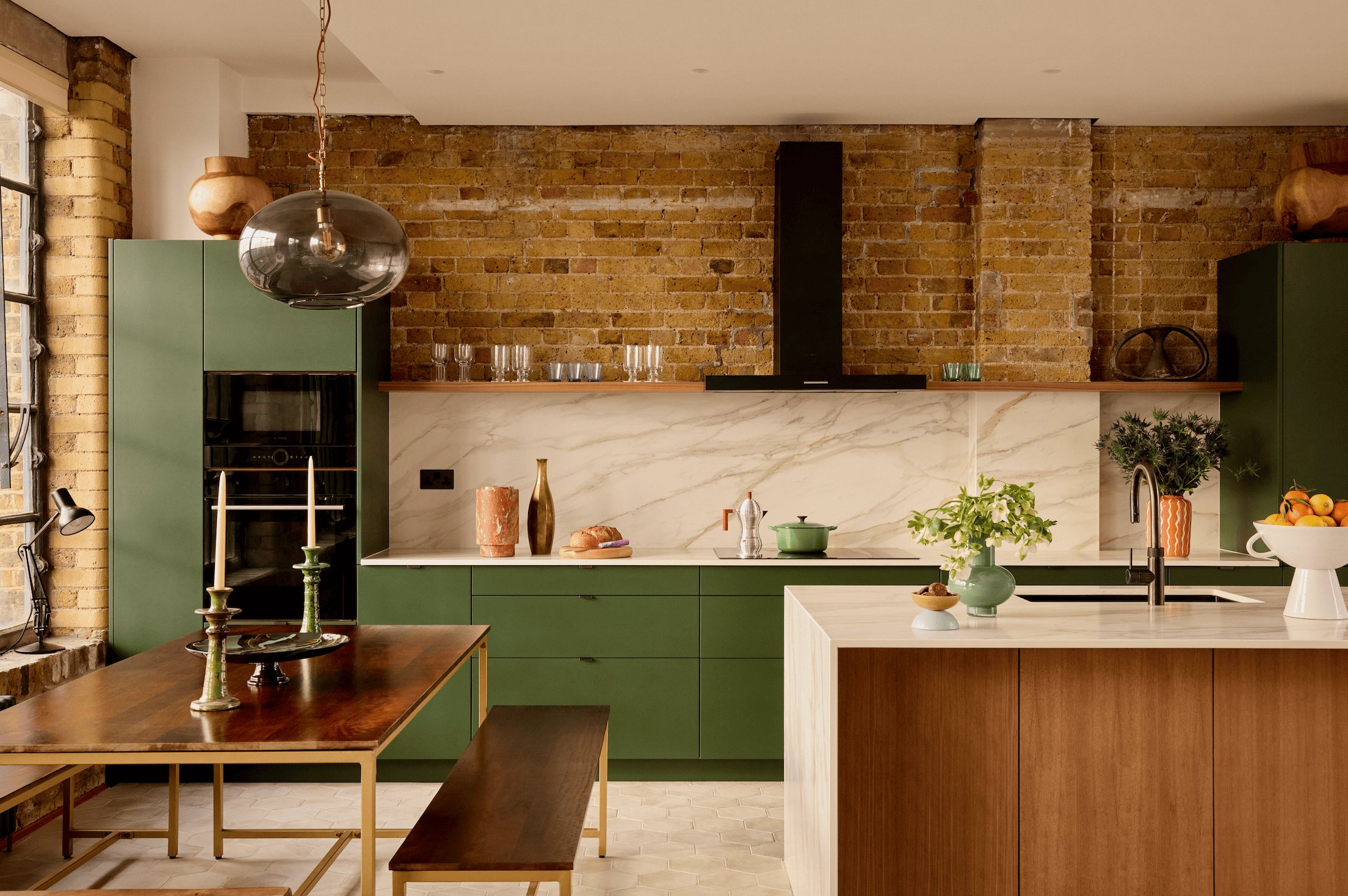
How to compare renovation quotes from contractors. What to check, hidden costs, payment terms. Get the best value for your kitchen or bathroom renovation.

Induction is cheaper to run than gas at current UK prices but needs a dedicated circuit. Running costs, install costs and which suits your kitchen.
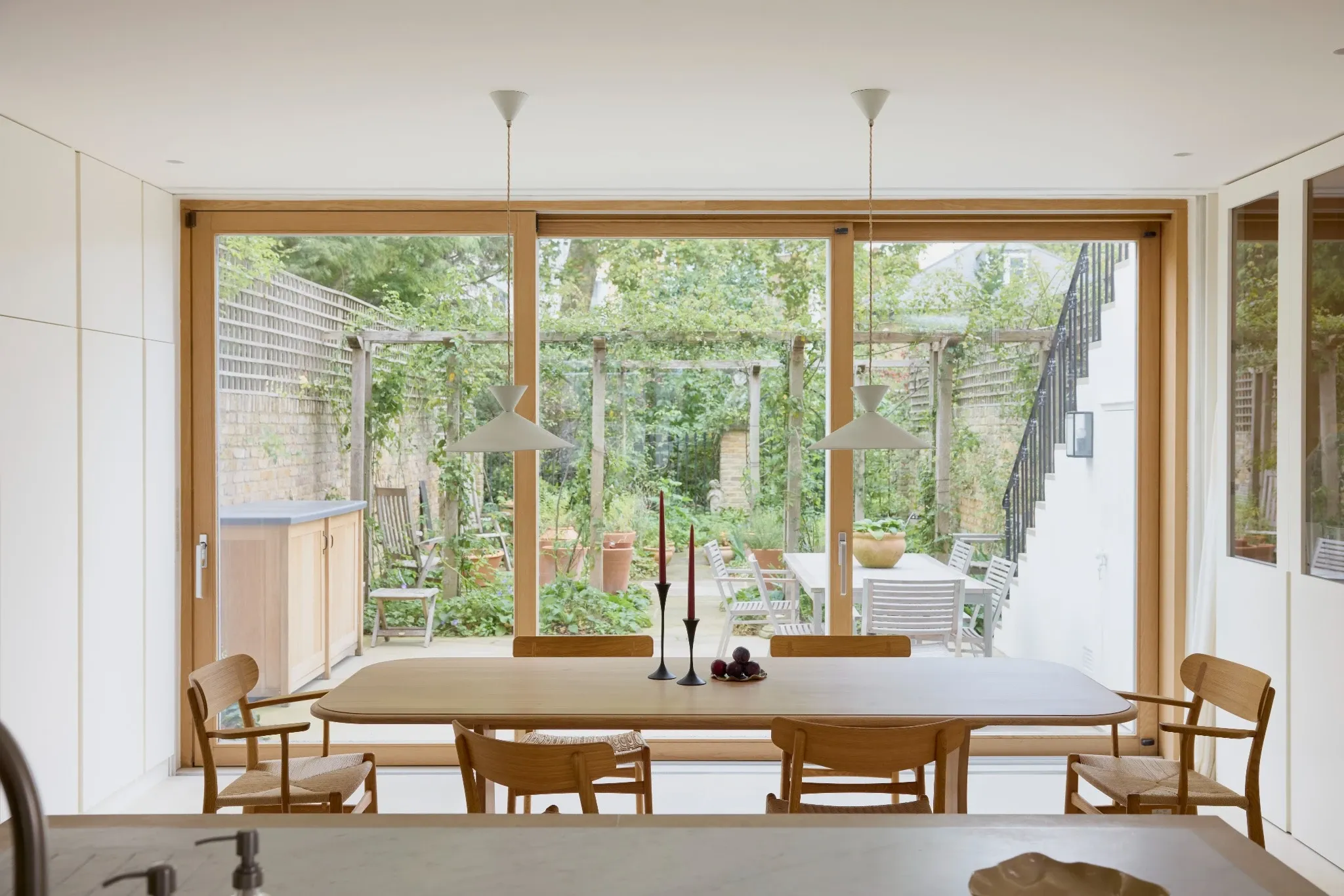
Avoid budget surprises. Hidden renovation costs including VAT, skip hire, structural issues, planning fees. How Beams fixed pricing protects you from unexpected expenses.

How many downlights a kitchen needs, where to place them over an island, and when pendants beat spots. Costs and brightness in plain terms.