
Can you live in your home during a renovation?

Yes, you can live in your home during a renovation.
But it depends on the scope of the work.
For smaller projects, it is usually manageable. For full home renovations, it is often difficult and sometimes not practical.
The right decision depends on how much work is being done and how prepared you are to live through it.
If you are at the start, see our guide on how to plan a full home renovation.
When you can stay in your home
You can usually stay if the renovation is limited in scope.
For example: renovating a single room, updating a kitchen or bathroom with some disruption, or making cosmetic changes like flooring or decorating.
In these cases, parts of the home remain usable, disruption is contained, and the timeline is shorter. You may need to adjust how you live day to day, but it is manageable.
When it becomes difficult
It becomes harder to stay when the project affects core parts of the home.
This includes full home renovations, structural changes, multiple rooms being worked on at once, and removing or replacing kitchens or bathrooms.
At this point, key services may be unavailable, multiple trades are working at the same time, and disruption is constant.
What living through a renovation is actually like
Even in smaller projects, there is disruption.
Expect noise during working hours, dust and mess, limited access to parts of the home, and tradespeople on site most days.
For kitchens, you may not have cooking facilities for a period. For bathrooms, you may need to use alternative facilities. It is worth thinking through both scenarios before work starts, not after.
If you are planning these spaces, see our guides on how to plan a kitchen renovation and how to plan a bathroom renovation.
The trade-off
Staying in your home saves money. But it often comes with slower progress, more disruption over a longer period, and reduced flexibility for builders.
Moving out increases cost. But it usually speeds up the project, reduces stress, and allows builders to work more efficiently.
Neither option is automatically better. It depends on the scope of your project and how much disruption you are willing to absorb.
Cost vs convenience
The decision often comes down to a straightforward trade-off.
Staying in the home: lower upfront cost, higher disruption, potentially longer timeline.
Moving out temporarily: higher upfront cost from rent and storage, faster build, less day-to-day stress.
Before deciding, it is worth understanding where your budget is actually going. See our guide on hidden renovation costs to make sure temporary living costs are factored in from the start.
Common mistakes to avoid
Underestimating how disruptive the work will be is the most common error. Others include trying to live in the home during a full renovation, not planning temporary alternatives for kitchen and bathroom access, and making decisions late which extends the timeline.
The earlier you decide how you will live during the build, the better. It affects the schedule, the budget, and your own wellbeing.
How to decide what is right for you
Ask yourself: how much of the home will be affected? Will you have access to a kitchen or bathroom? How long will the work take? Are you comfortable living with sustained disruption?
If the answer to most of these is no, moving out is usually the better option.
Our home renovation checklist includes a section on preparing to live through a renovation, with practical steps for both scenarios.
How Beams helps
Beams helps you understand what your renovation will involve before work starts.
We define the scope upfront. We set realistic expectations on timeline and disruption. We match you with builders suited to your project and line up up to three site visits.
Builders then quote based on the same information. That makes it easier to decide whether staying in your home is realistic before you commit.
Plan for how you will live
A renovation affects more than just the space. It affects how you live day to day.
Decide early whether you will stay or move out, how you will manage the disruption, and what trade-offs you are willing to make.
If you plan this properly, the process becomes much easier.
Know what your renovation will involve before you start

Plan your bathroom renovation the right way. What's involved, key decisions to make early, what it costs, and how to compare builders with confidence.

Plan your full home renovation the right way. What's involved, key decisions to make early, what it costs, and how to compare builders with confidence
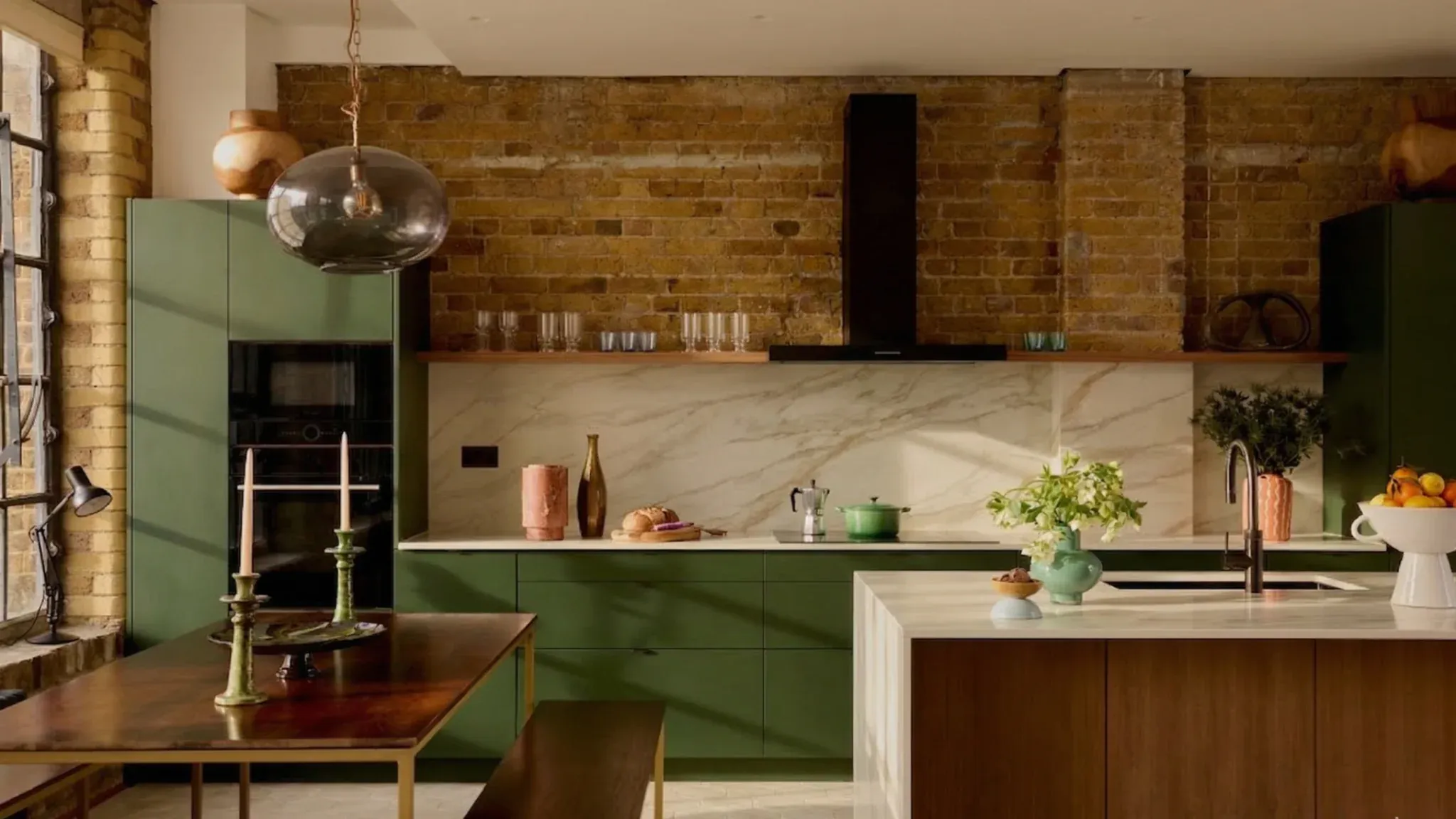
Plan your kitchen renovation the right way. What's involved, key decisions to make early, what it costs, and how to compare builders with confidence.

UK bathroom renovation costs explained. Typical ranges from £5k to £25k+, what drives the price, London costs, and how to budget before you start.
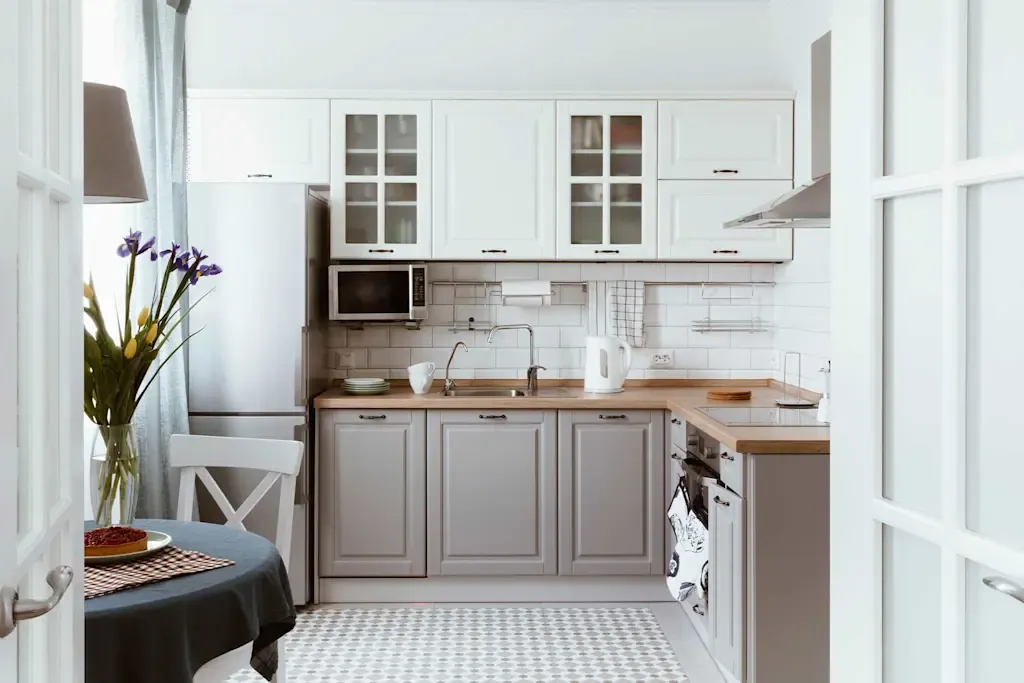
UK kitchen renovation costs explained. Typical ranges from £10k to £50k+, what drives the price, London costs, and how to budget before you start.
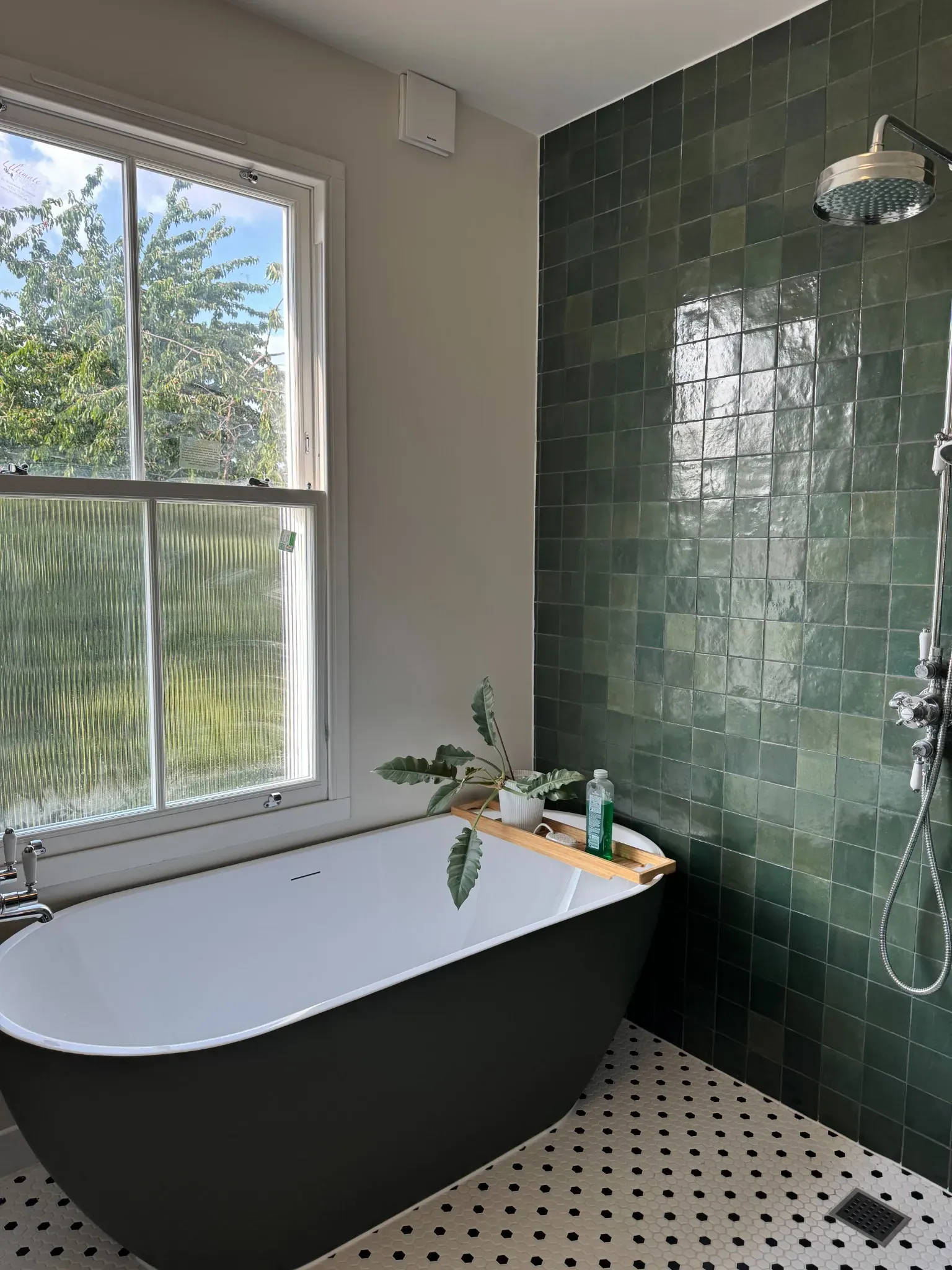
UK bathroom renovation timelines explained. Most projects take 3 to 5 weeks on site. What drives the schedule, common delays, and how to plan properly

UK kitchen renovation timelines explained. Most projects take 2 to 4 weeks on site. What drives the schedule, common delays, and how to plan properly.