
Hidden renovation costs in the UK: what most people miss
Renovation costs are rarely just the headline number.
Most budgets focus on the visible work. The real risk comes from the costs that are not obvious at the start.
These are the costs that cause projects to go over budget.
If you understand them upfront, you can plan properly and avoid surprises.
If you are starting out, see our guide on how much a full home renovation costs.
Why hidden costs happen
Hidden costs usually come from uncertainty.
At the start of a project, not everything is visible, not everything is defined, and not everything has been decided. Builders price based on the information they have. If that information is incomplete, costs appear later.
The most common hidden renovation costs
These are the costs that come up most often.
Structural issues Problems are often uncovered once work starts. This can include damaged or outdated structures, issues behind walls or under floors, and the need for additional structural support. These are difficult to predict upfront and are one of the main reasons a 10 to 20% contingency is essential.
Plumbing and electrics Existing systems are not always suitable. You may need upgraded wiring, new pipework, or changes to the layout. These costs increase quickly, especially in older properties.
Design changes during the build Changes made mid-project are expensive. They can lead to rework, delays, and additional labour and materials. Most of these changes come from decisions made too late. This is why locking in your scope before work starts matters.
Finishes and specification upgrades Costs often increase as decisions are made. Higher-end tiles, upgraded fixtures, and custom joinery all add up quickly. For a sense of how finishes affect the overall budget, see our guides on how much a kitchen renovation costs and how much a bathroom renovation costs.
Provisional sums and allowances Some quotes include allowances rather than fixed costs. These can change later depending on actual selections. If not understood properly, they can increase your budget without warning.
Professional fees and approvals These are often underestimated. Design fees, surveys, planning, and building control are all necessary costs that are not always included in early budgets.
Living costs during the renovation If you cannot live in your home, you may need to budget for temporary accommodation, storage, and additional travel. Factor this in before you commit to a start date.
How much contingency should you allow?
A contingency is essential. Most projects should allow around 10 to 20% of the total budget.
This covers unexpected issues and changes during the build. Without it, you risk running out of budget before the project is complete.
What hidden costs actually tell you
Hidden costs are not random. They usually point to one thing: the scope was not fully defined at the start.
The clearer the plan, the fewer surprises.
How to avoid hidden costs
You cannot remove all uncertainty. But you can reduce it.
Define the scope early. Know what you are building before speaking to builders.
Make decisions upfront. Avoid changing plans during the build.
Understand quotes properly. Check what is included, excluded, and assumed.
Plan contingency. Build flexibility into your budget from the start.
Our home renovation checklist covers every stage of preparation so nothing gets missed before work begins.
How Beams helps
Beams helps you reduce uncertainty before work starts.
We define the scope upfront. We set realistic expectations on cost. We help you understand what is included and what is not. We match you with builders suited to your project and line up up to three site visits.
You can read about how we vet every builder to understand the standard we hold our trades to.
Builders then quote based on the same information. That reduces variation and unexpected costs.
Plan for what you cannot see
Hidden costs are part of every renovation. The goal is not to eliminate them. It is to plan for them.
Know where they come from. Allow for them in your budget. Reduce uncertainty upfront.
This is what keeps your project on track.
Know what your renovation should cost before you start

Plan your bathroom renovation the right way. What's involved, key decisions to make early, what it costs, and how to compare builders with confidence.

Plan your full home renovation the right way. What's involved, key decisions to make early, what it costs, and how to compare builders with confidence
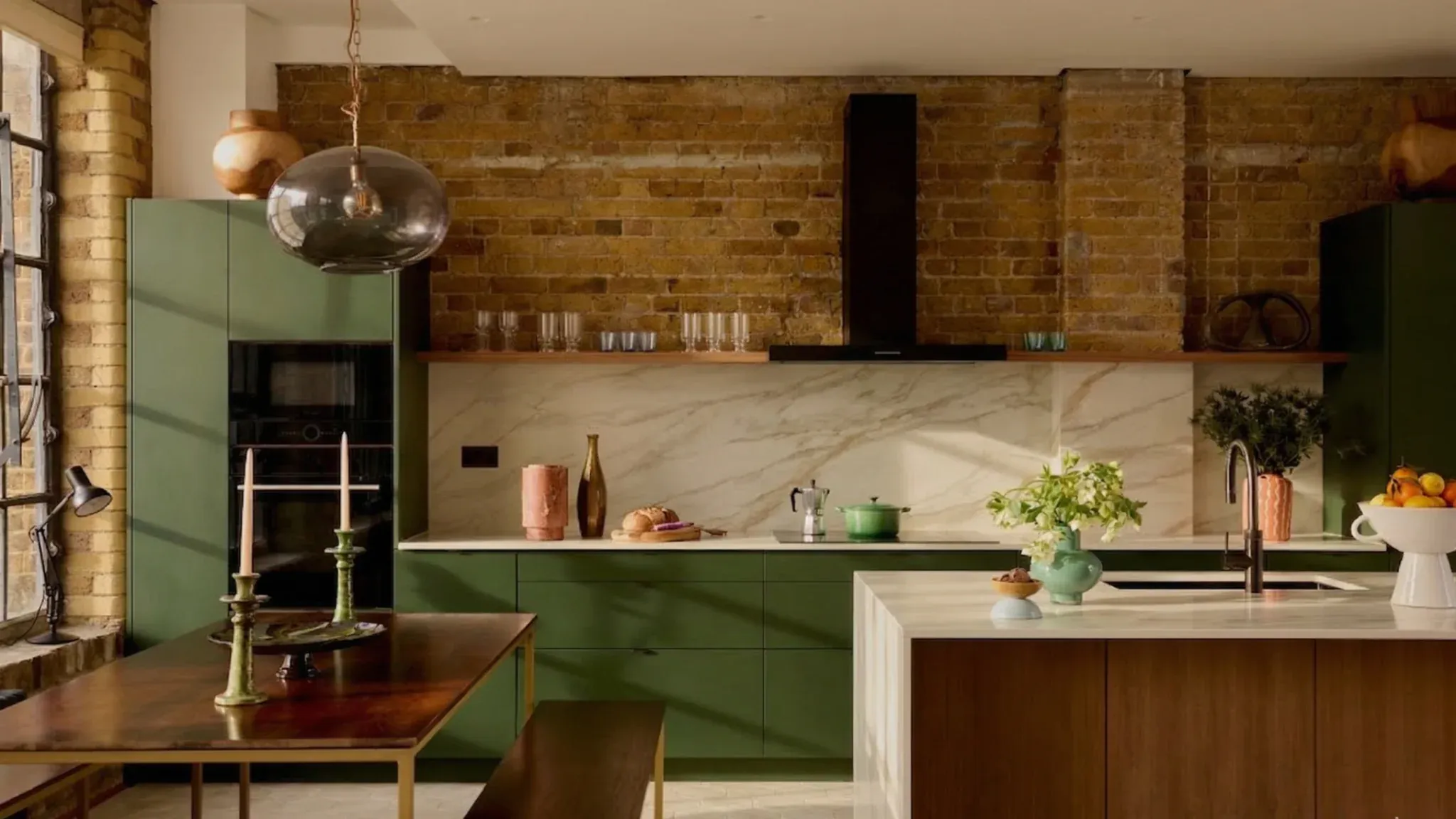
Plan your kitchen renovation the right way. What's involved, key decisions to make early, what it costs, and how to compare builders with confidence.
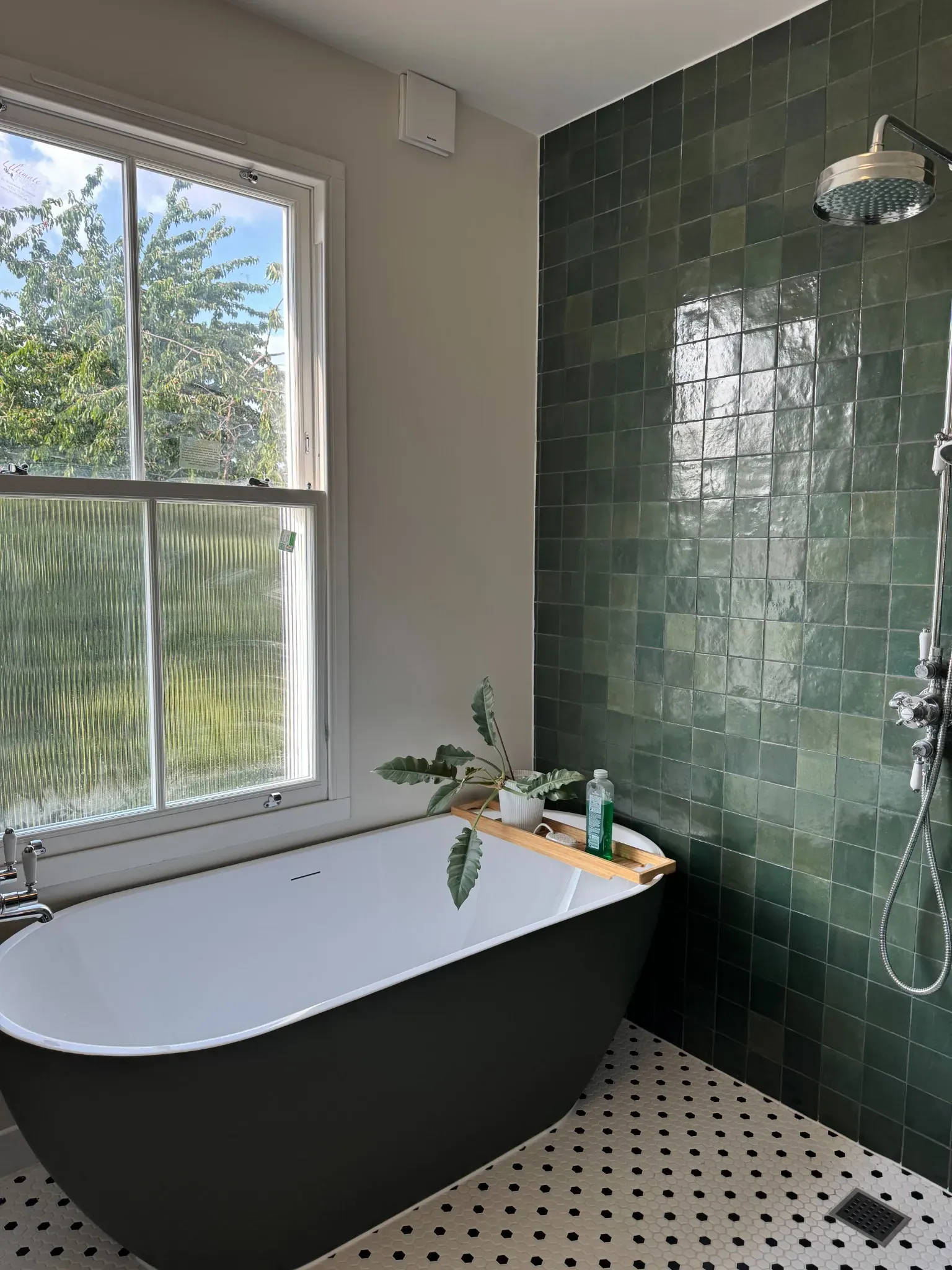
UK bathroom renovation timelines explained. Most projects take 3 to 5 weeks on site. What drives the schedule, common delays, and how to plan properly

UK kitchen renovation timelines explained. Most projects take 2 to 4 weeks on site. What drives the schedule, common delays, and how to plan properly.

UK bathroom renovation costs explained. Typical ranges from £5k to £25k+, what drives the price, London costs, and how to budget before you start.
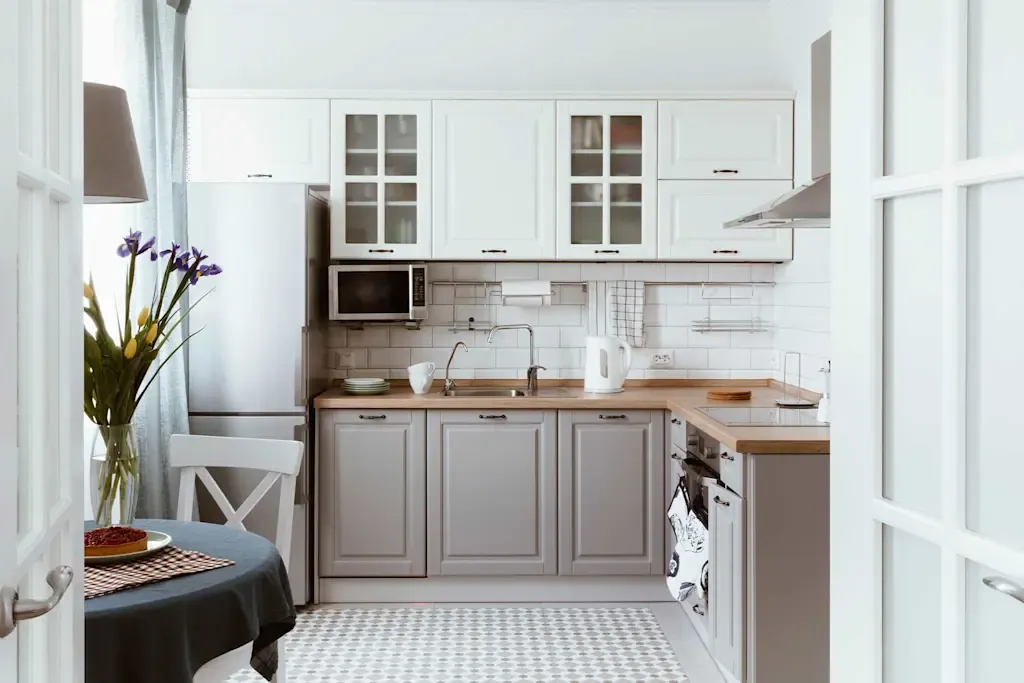
UK kitchen renovation costs explained. Typical ranges from £10k to £50k+, what drives the price, London costs, and how to budget before you start.