
How to plan a kitchen renovation in the UK
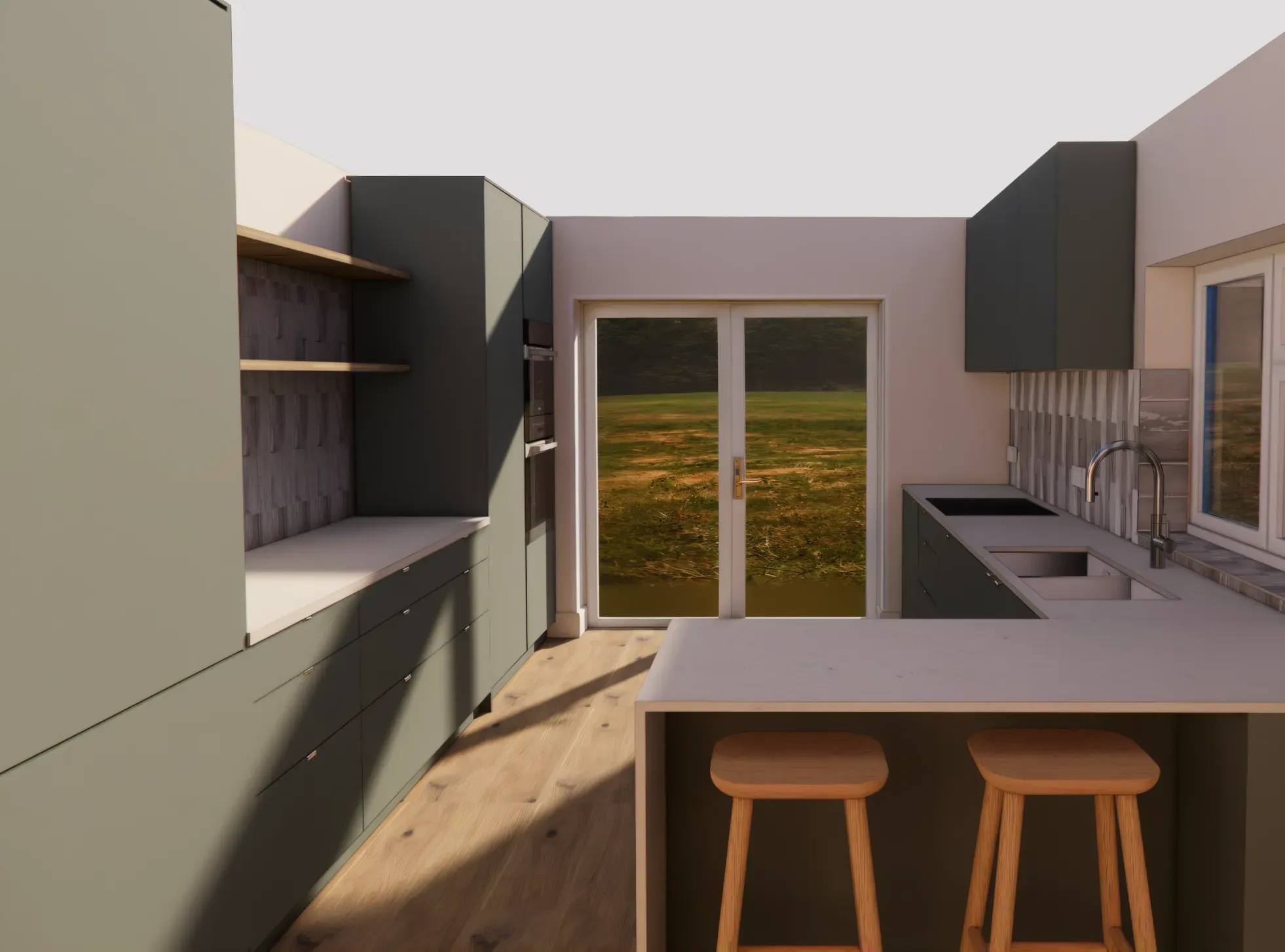
Planning a kitchen renovation comes down to one thing: clarity.
Know what you're building, what it should cost, and how it will work day to day, before you speak to a builder.
Most kitchen projects go wrong because key decisions are made too late. Layouts change mid-build, costs increase, and timelines slip. Get the plan right upfront and the build is simpler, faster and more predictable.
What planning a kitchen renovation actually involves
Planning a kitchen isn't just about design. It's about defining the full scope of work.
That means decisions across:
- Layout and how the space will function day to day
- Structural changes; knocking through walls or moving doorways
- Plumbing and electrics
- Materials and finishes
- Appliances and fixtures
- Total budget, including contingency
Each decision affects the others. Change the layout and you may need to move plumbing. Upgrade materials and the budget shifts. This is why planning sequentially matters, and why builders need a complete brief before they can quote accurately.
If your kitchen project is part of a wider renovation, see our home renovation checklist to make sure you're covering the full scope.
The decisions to make before anything else
The most important choices in a kitchen renovation happen before work starts. Get these right and everything downstream becomes easier.
Layout and flow How you move through the space matters more than how it looks. Think about the cooking triangle (hob, sink, fridge), storage, and how the kitchen connects to the rest of the home. Changing the layout later is expensive, so fix it on paper first.
Scope of work Are you replacing units in the same positions, or redesigning the space? Are you extending or knocking through? The scope determines cost, timeline, and which trades are needed.
Structural changes If you're moving load-bearing walls or changing openings, you'll need a structural engineer and likely building regulations approval. The RIBA has a clear guide on when you might need an architect involved.
Materials and finishes Worktops, cabinetry and flooring drive a large proportion of the total cost. Deciding on the specification early means builders quote from the same basis, which makes comparisons meaningful.
Appliances and fixtures These affect both layout and budget. An induction hob requires different electrics to gas. An integrated appliance needs a specific cabinet. Lock these in early.
How much does a kitchen renovation cost in the UK?
Costs vary significantly depending on scope, specification and structural complexity. The biggest drivers are:
- Size of the space
- Whether structural work is involved
- Quality of materials and finishes
- Complexity of plumbing and electrics
Costs tend to escalate when scope is unclear or decisions change during the build. Every late change costs more than it would have done upfront.
For a detailed breakdown by project type, see our kitchen renovation cost guide (UK).
How to plan your kitchen renovation step by step
Work through these in order. Skipping stages is where most problems start.
1. Define what you're trying to achieve Be specific about how you want the space to work, not just how it should look. Think storage, circulation, light, and connection to adjacent rooms.
2. Set a realistic budget Work out what you can spend before you design in detail. Include a 10-15% contingency for unexpected costs. A budget set too late leads to scope cuts mid-project.
3. Develop a clear scope Bring together layout, materials, appliance types and specification into a single brief. This is what builders will price from. Spending more time on a complete pack will help you get comparable, like-for-like quotes.
4. Understand permissions and regulations Most kitchen renovations don't require planning permission. But if you're extending, changing external walls or moving electrics and gas, building regulations approval will apply. Check before you start.
5. Get the right builders in Once your plan is clear, you're ready to get quotes. See how we vet the builders we work with to understand what good looks like.
6. Compare quotes properly Make sure each builder is pricing the same scope — not their own interpretation of it. A lower quote often means a shorter scope, not a better price. See our guide on how to compare builder quotes.
7. Choose based on fit, not just price Trust, communication and relevant experience matter as much as cost. Finding a builder who understands your project is worth more than locking in the cheapest quote.
Why this is hard to do without experience
Kitchen planning involves multiple decisions that all affect each other. Small changes in layout, materials or scope can have a significant impact on cost, and those impacts aren't always obvious until you're mid-build.
Without experience it's difficult to:
- Set a realistic budget from the start
- Define a complete scope that covers everything
- Spot what's missing from a quote
This is how uncertainty creeps in and projects overrun.
How Beams helps
We help you plan your kitchen renovation properly before you go anywhere near a builder.
- We define the scope upfront with a clear brief and design
- We give you a realistic cost range before you commit
- We match you with the right builders for your project
- We arrange up to three site visits so builders can quote from the same information
You compare like-for-like. You choose with confidence.
Find out more about our kitchen renovation service.
Ready to plan your kitchen renovation?
Take our quiz to understand what your kitchen should cost before you start.

Choose the right kitchen paint. Washable, moisture-resistant options. Popular colours, finishes, brands. Professional tips for painting kitchen walls and cabinets.
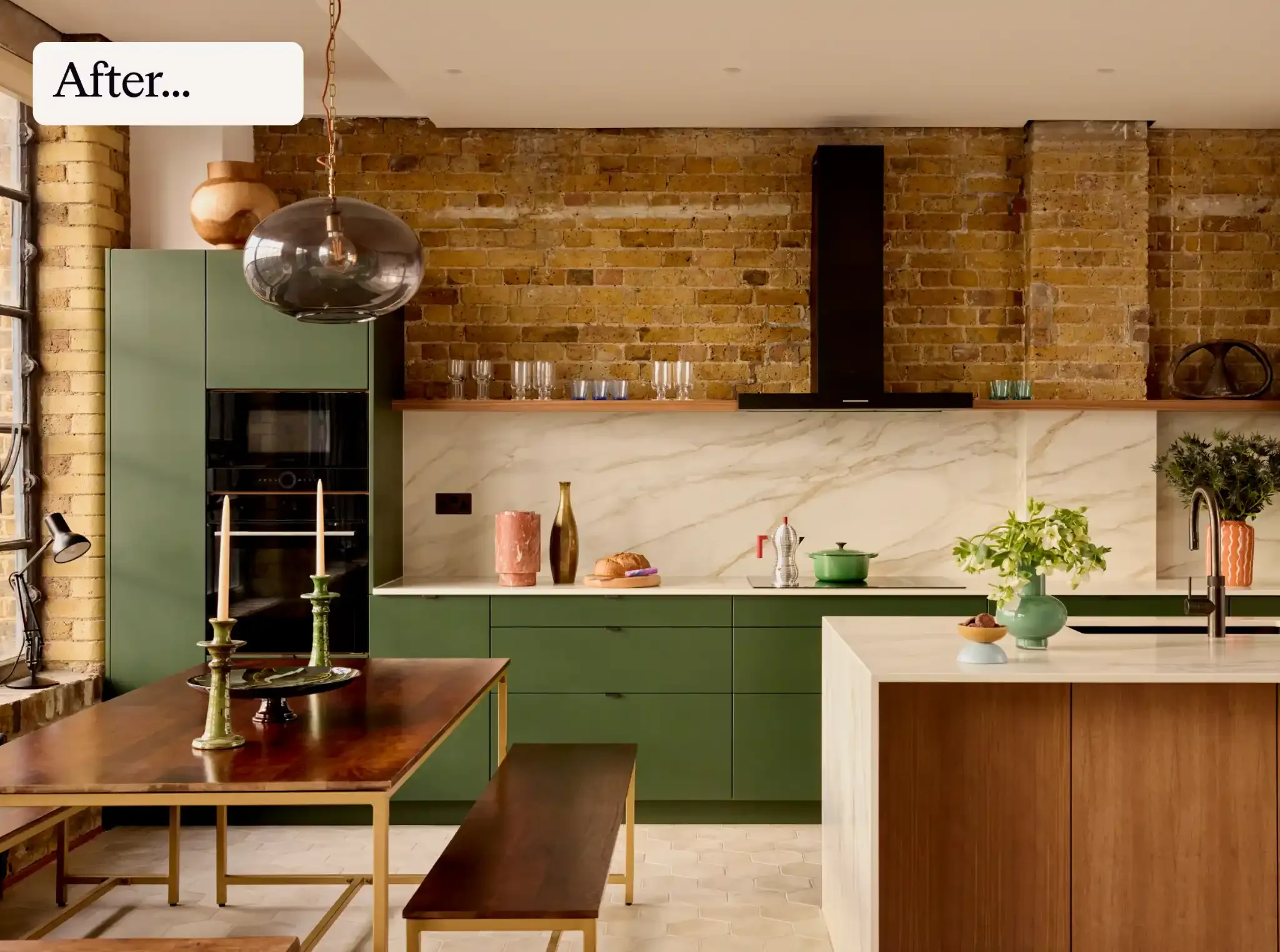
Kitchen renovation costs in the UK, covering layout, appliances, worktops and flooring, plus what drives prices and how to plan well.
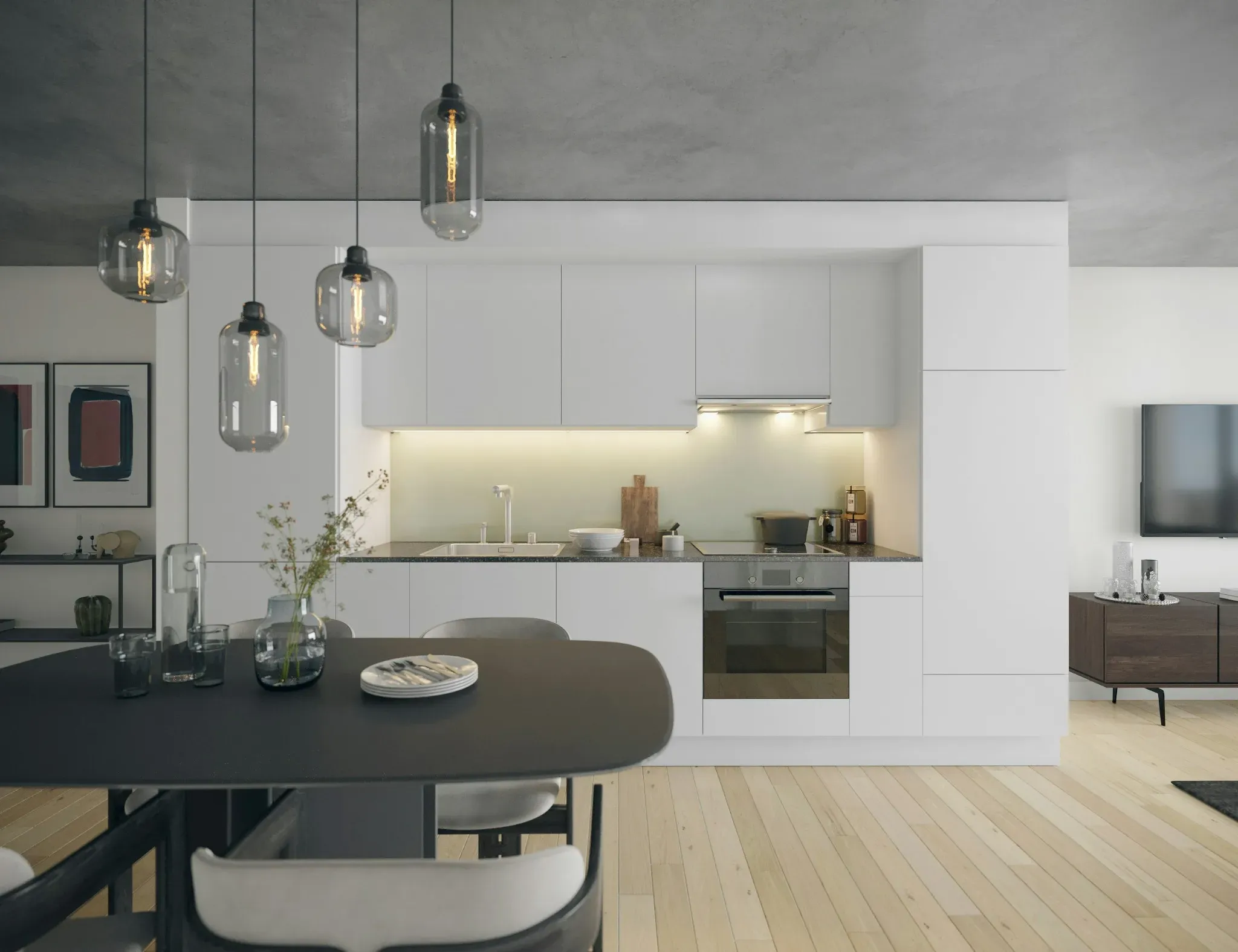
Exactly what to measure for a UK kitchen refit—room shell, fixed points, services, appliance envelopes, tolerances and a simple sketch method—so designers and fitters can price and install without surprises.
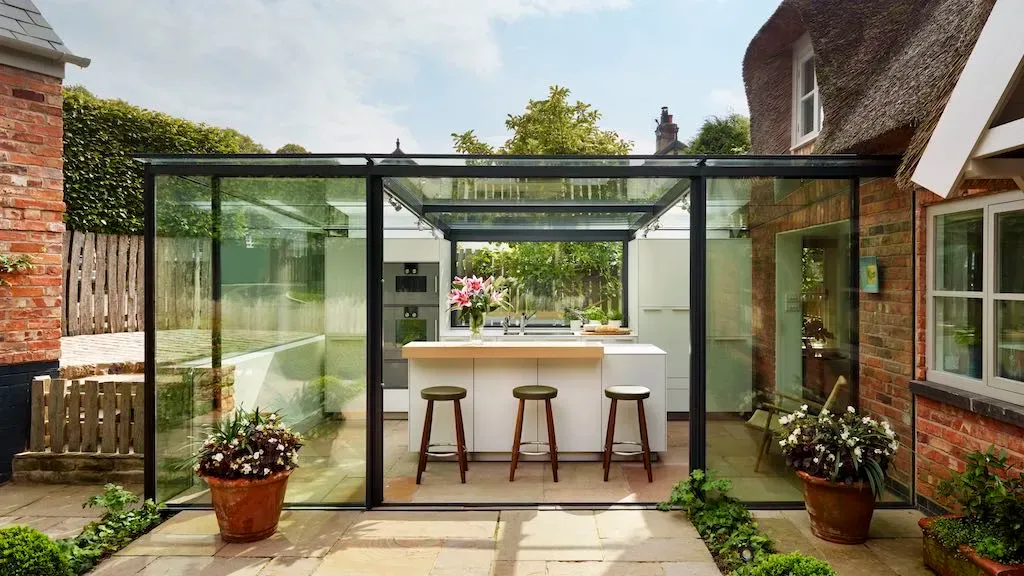
Discover ten clever small kitchen extension ideas for UK homes. From glass roofs and built-in seating to smart layouts and reflective finishes, see how to make the most of compact space.