
How to plan a loft conversion in the UK

Planning a loft conversion properly before work starts is the single most important thing you can do to protect your budget, your timeline and your sanity. Most loft conversion problems — delays, budget overruns, neighbour disputes — trace back to decisions that weren't made clearly enough at the beginning.
This guide walks you through the key planning steps in order, so you arrive at the build stage with everything in place.
If you're based in London and want to get started, see our loft conversions page.

Step 1 — Check whether your loft is suitable
Before anything else, establish whether your loft can realistically be converted. The key checks are:
- Head height: measure from the floor joist to the highest point of the ridge. You'll typically need at least 2.2 metres for a usable room. Less than that is not necessarily a deal-breaker — a dormer can create additional height — but it shapes what's achievable.
- Roof structure: older cut roofs (common in Victorian and Edwardian properties) are generally more straightforward to convert than modern trussed roofs, which require more structural alteration.
- Roof pitch: a steeper pitch means more usable space. Very shallow-pitched roofs may limit what's possible without a dormer or structural change.
- Water tank: if your cold water tank is in the loft, it will need to be moved or replaced with a pressurised system. Your builder factors this into the quote.
- A builder can assess suitability accurately during a site visit. Don't rely on measuring the ridge height from the outside — the floor joist level matters as much as the roof height.
Step 2 — Set a realistic budget
Loft conversions in London typically cost between £25,000 and £100,000+ depending on the type of conversion. See our full cost guide for a detailed breakdown by type.
When setting your budget, make sure to include:
- Builder's quote (structural work, roofing, windows, electrics, plumbing, staircase, insulation and basic finishing)
- Structural engineer and architect fees (typically £1,500–£5,000)
- Party Wall surveyor fees if applicable (£1,000–£3,000)
- Planning application fee if required (£258 for a householder application)
- Lawful Development Certificate (£103, recommended even under PD)
- Interior fit-out — flooring, decoration, bathroom, storage (budget separately)
- VAT (add 20% to all net figures)
- Contingency (10–15% of total budget is sensible)
It is better to know the real number upfront than to discover mid-build that you have run out of budget for the bathroom.
Step 3 — Understand your planning position
Most loft conversions in London fall under Permitted Development rights and don't require a planning application. But Permitted Development doesn't mean no rules — it means the rules are set nationally rather than decided by your local authority.
To qualify for Permitted Development, your loft conversion must:
- Add no more than 40 cubic metres of roof space for terraced houses, or 50 cubic metres for detached and semi-detached
- Not exceed the existing ridge height
- Use materials that match the existing house
- Not include side-facing windows unless obscure-glazed and non-opening below 1.7m
You will need full planning permission if:
- Your property is a flat or maisonette
- Your property is in a conservation area or has an Article 4 direction (common across many London boroughs)
- Your property is a listed building
- You are building a mansard conversion, which significantly alters the roofline
- Your design exceeds the Permitted Development volume limits
Even where planning permission is not required, it is worth applying for a Lawful Development Certificate. This costs £103 and provides written confirmation from your local authority that the work was lawful — useful evidence if you sell the property in future.
Step 4 — Understand the Party Wall Act
If your loft conversion involves structural work affecting a shared wall — which it often does in London terraced houses — the Party Wall Act 1996 applies.
You must serve written notice on your neighbour at least two months before work begins. If your neighbour agrees, work can proceed. If they dissent, a Party Wall Award is required — an agreed document drawn up by surveyors from each side that sets out how the work will be carried out and protects both parties.
Party Wall notices are your responsibility as the building owner. Your builder or a specialist Party Wall surveyor can prepare and serve the notices on your behalf.
Budget at least two months for this process — longer if you anticipate a dissent. Starting the Party Wall process early is one of the most effective ways to protect your project timeline.
For a full guide to timelines including the Party Wall process, see how long a loft conversion takes in the UK.
Step 5 — Choose the right type of conversion
Your roof structure, the size of your loft, your planning position and your budget all point towards the most suitable conversion type for your home. See our loft conversions page for a full guide to the five main types — Velux, dormer, L-shaped dormer, hip-to-gable and mansard — and which London home each suits.
Step 6 — Find and appoint the right builder
Finding the right builder is the most important decision in the process. A loft conversion is a significant structural project — the quality of the build affects not just how the space looks but how safe it is, how well it is insulated, and how smoothly Building Regulations sign-off goes.
Key things to look for:
- Specific experience in loft conversions (not just general builders)
- A track record of projects on similar properties in London
- Strong, verifiable reviews and references
- Clear, itemised, fixed-price quotes
- Public liability insurance and a workmanship warranty
Beams matches you with vetted London builders who specialise in loft conversions, and gives you up to three like-for-like quotes so you can compare on a fair basis.
Step 7 — Agree the scope before work starts
Once you have chosen your builder, agree the full scope of work in writing before anything begins. This means:
- A detailed, fixed-price contract covering all agreed work
- A project timeline with key milestones
- A clear payment schedule (milestone payments, not large upfront sums)
- Decisions made on all materials and finishes before the build starts
The most expensive loft conversion problems come from scope that wasn't clearly defined at the start — changes made mid-build, materials specified too late, or decisions left for the builder to make. Nail the detail at the beginning and the build becomes straightforward.
For more on how Beams structures contracts and milestone payments, see our loft conversions page.
Ready to start your loft conversion?
Beams matches London homeowners with vetted builders who specialise in loft conversions. Get a free estimate and take the first step - no commitment and no sales pressure.
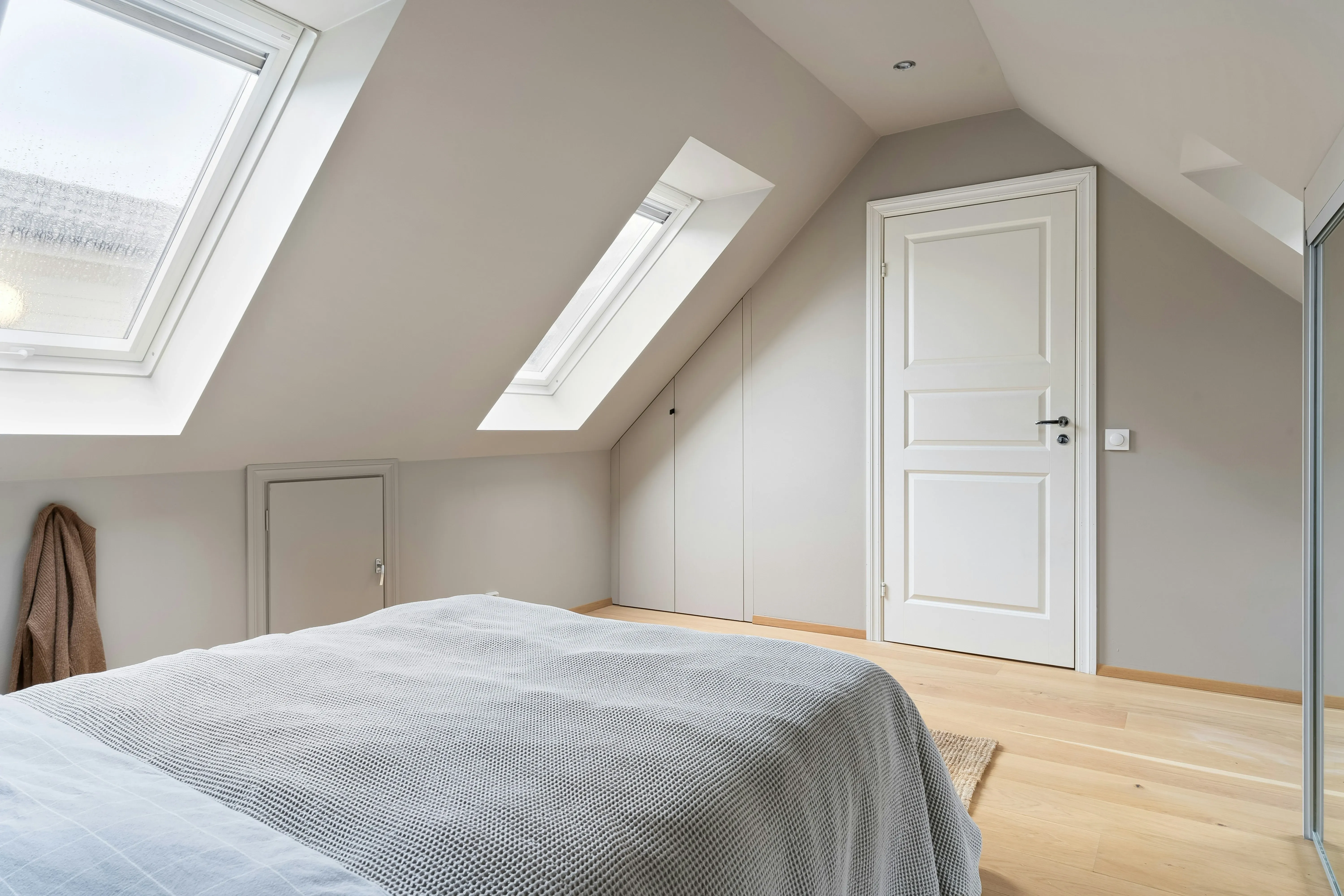
Loft conversion timelines by type — from 4 weeks for a Velux to 12 weeks for a mansard. Plus what happens before work starts and what causes delays.
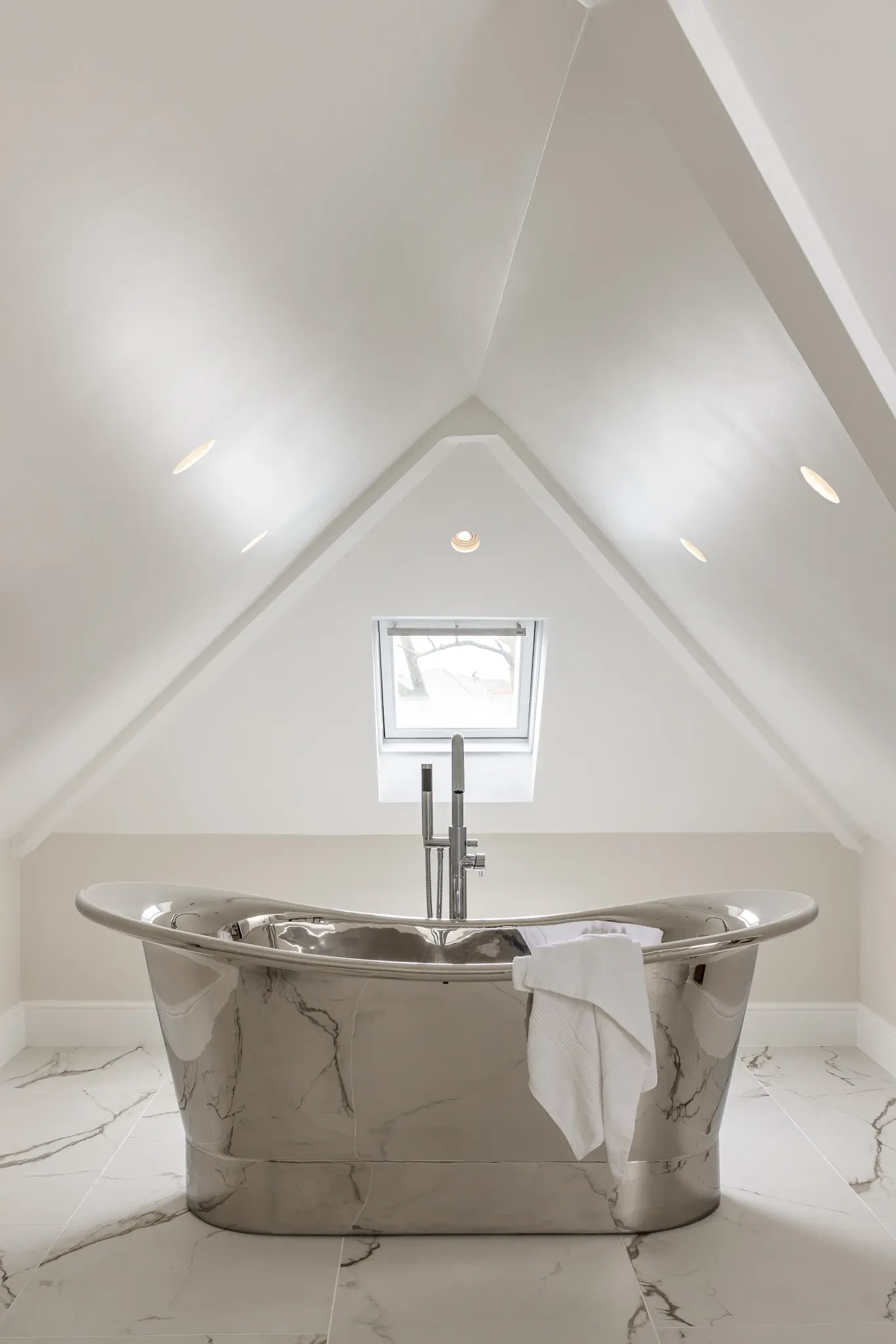
Loft conversion costs by type — Velux, dormer, hip-to-gable and mansard. UK and London price ranges, what's included and what drives costs up.

Plan your bathroom renovation the right way. What's involved, key decisions to make early, what it costs, and how to compare builders with confidence.
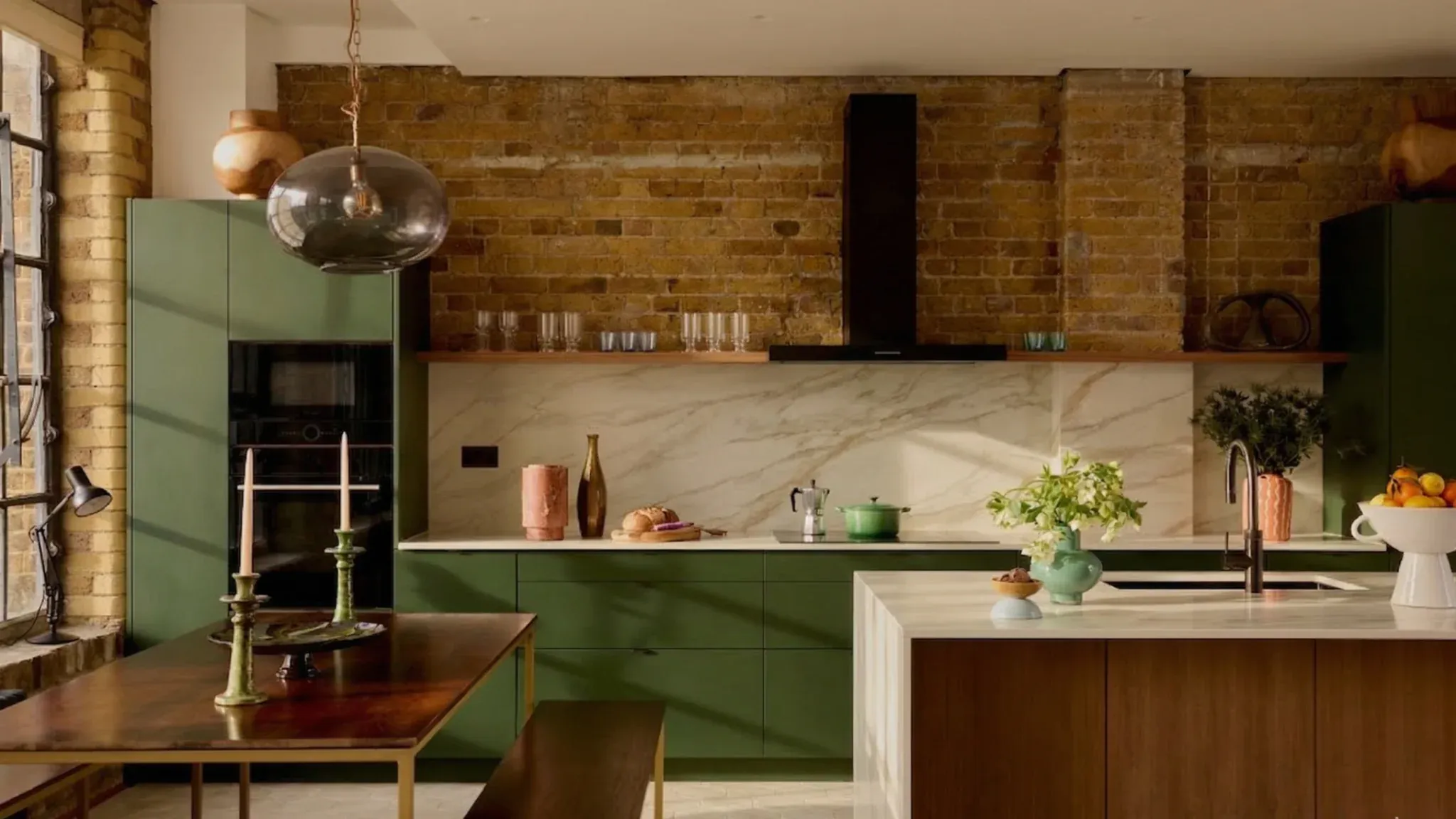
Plan your kitchen renovation the right way. What's involved, key decisions to make early, what it costs, and how to compare builders with confidence.

Plan your full home renovation the right way. What's involved, key decisions to make early, what it costs, and how to compare builders with confidence