
How to plan a house extension in the UK

A house extension is one of the biggest projects a homeowner takes on. Plan it well and it adds space, light and value with minimal stress. Plan it poorly and you hit planning refusals, neighbour disputes and budget overruns.
This guide walks through the key steps in order, so you reach the build stage with everything in place.
If you're extending in London, our house extensions page explains how Beams can take you from design through to finished build.

Step 1 — Decide what you want and what's realistic
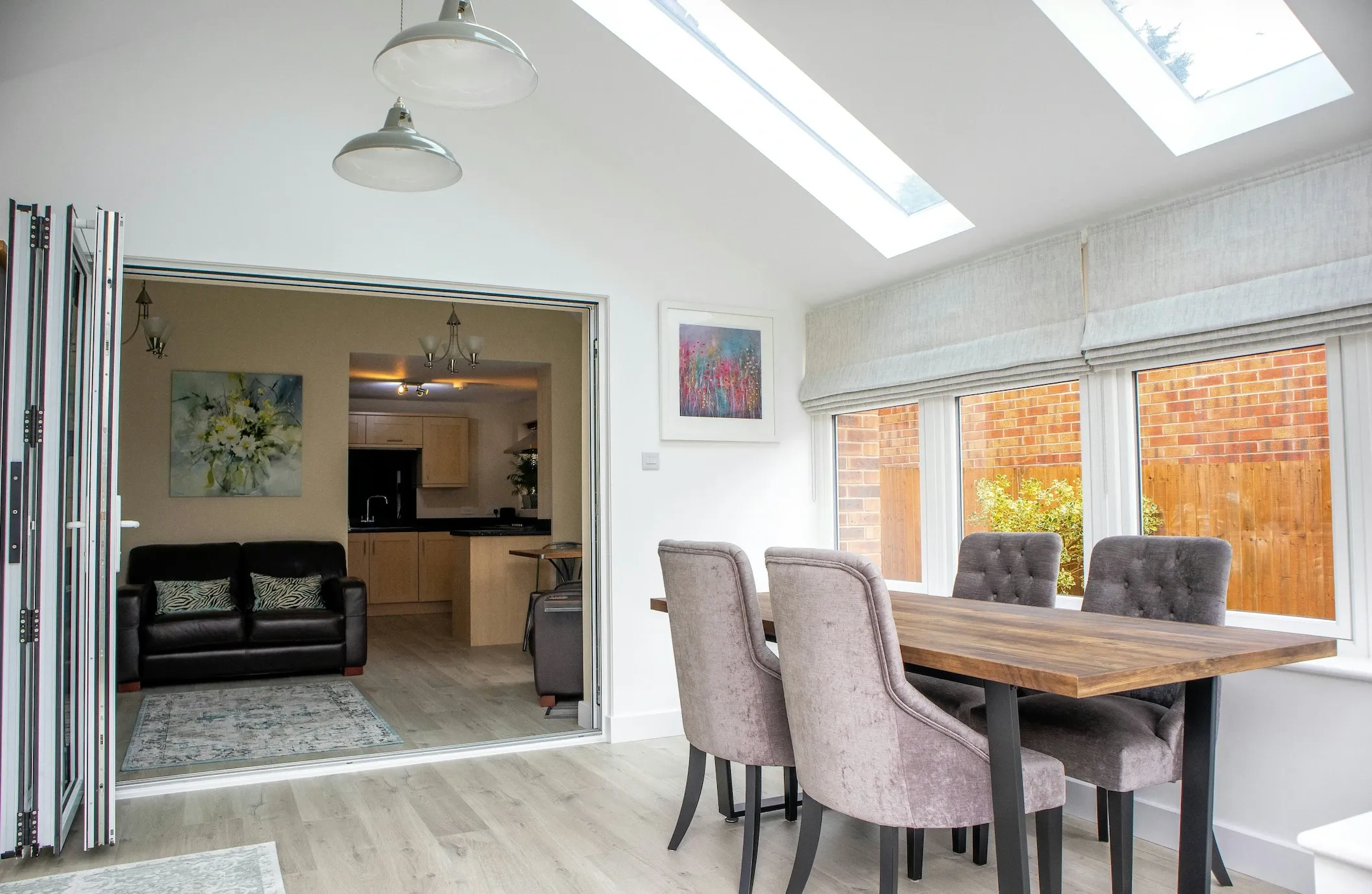
Start with how you want to live in the space, not the structure. A bigger kitchen-diner, an extra bedroom, more light at the back of the house — the goal shapes the type of extension. The main options are a single-storey rear, a side return, a wraparound, or a double-storey, each with different costs and timelines. See our guides to extension costs and how long they take for the trade-offs.
Step 2 — Set a realistic budget
Build your budget around the whole project, not just the build cost. Include the construction cost, VAT at 20%, professional fees of 10–15%, the planning or certificate fee, a party wall surveyor where needed, the kitchen or bathroom fit-out, and a 10–15% contingency. Our cost guide breaks down the figures by type.
Step 3 — Check your planning position
This is where the most expensive mistakes happen, so check before you design too far.
Many single-storey extensions are permitted development and don't need a full planning application — but only within strict limits. As a guide, a single-storey rear extension can go up to 4 metres beyond the original rear wall on a detached house, or 3 metres on a semi-detached or terraced one, within height limits. The Larger Home Extension Scheme can extend these to 8 and 6 metres through a prior-approval process with neighbour consultation.
Permitted development rights are removed or reduced in conservation areas, on listed buildings, where an Article 4 direction applies (common across parts of London), and for flats and maisonettes, which have no rights at all. Exceed the limits or fall into one of these categories and you'll need full planning permission.
A Lawful Development Certificate is worth getting even when you don't need planning — it's formal proof your extension is lawful, which matters when you sell. Always confirm your position with your local planning authority before committing.
Step 4 — Get the building regs right
Building Regulations are separate from planning and apply to almost every extension, regardless of whether you need planning permission. They cover structure, fire safety, insulation, drainage and energy performance. Most people use the Full Plans route, where drawings are approved before work starts — it gives certainty and is preferred by mortgage lenders and buyers. Building control inspects at key stages, including foundations before concrete is poured and structural openings before they're covered. Building regs can run in parallel with planning to save time.
Step 5 — Sort the Party Wall process early
If your extension affects a shared wall, or you're excavating near a neighbour's foundations — which covers most terraced and semi-detached homes — the Party Wall etc. Act 1996 applies. You serve written notice on affected neighbours, who have 14 days to respond. If they agree, you proceed; if they dissent, surveyors are appointed to agree a Party Wall Award. Serving notice early is one of the most effective ways to protect your timeline, as a dispute here is a common cause of delay.
Step 6 — Choose the right builder
The builder makes or breaks the project — but you don't have to find, vet or chase one yourself. That's the part Beams handles for you.
Rather than sourcing builders, checking references and comparing quotes on your own, you're matched with vetted builders who specialise in extensions and quote for your project. Every builder in the network is already vetted for experience, insurance and track record, so you're choosing between builders who can do the job — not gambling on a name from a search result.
With Beams you get a fixed-price contract, milestone payments held securely until you approve each stage, and a 12-month workmanship warranty from your builder. Design is optional — take the full design-and-build service, or bring your own drawings and go straight to a vetted builder.
Ready to start planning your basement conversion?
A Beams planner can assess what's possible for your property, walk you through the process and give you a clear estimate — no obligation.
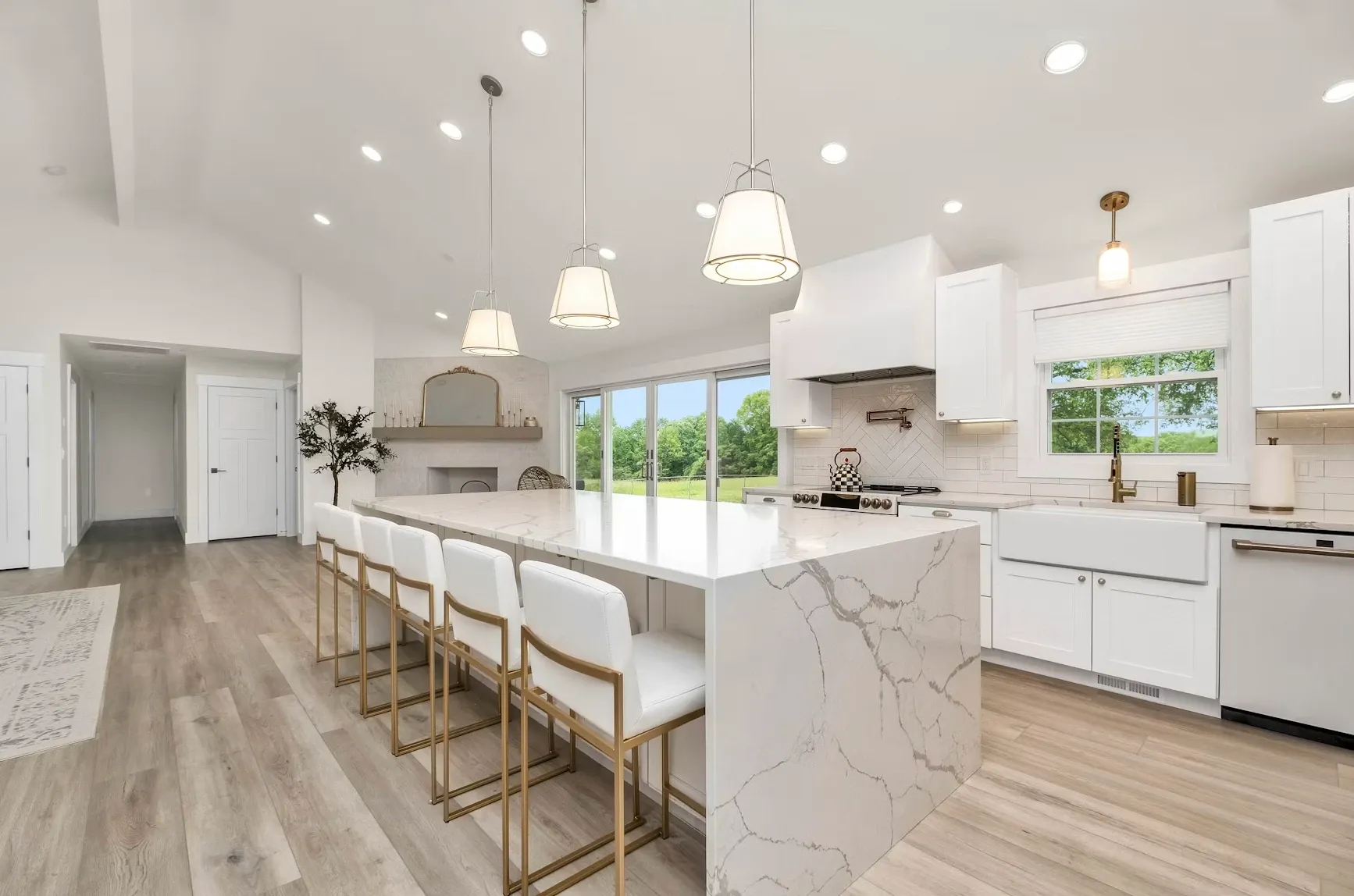
House extension costs by type — single-storey, side return, wraparound and double-storey. UK and London price ranges, plus what drives costs up.
House extension timelines from first idea to finished space — design, planning, building regs and build time by type, plus what causes delays.